

 Possini Chandeliers
 Drum Chandeliers
 Semi Flush Chandeliers
 Rattan Chandeliers
 Outdoor Chandeliers
 Gold Chandeliers
 Bedroom
 Buffet
 USB
USB
 Tiffany
 Coastal
 Mid Century
 Fandeliers
 Casa Vieja
 Minka Aire
 Outdoor
 Caged
Caged
 Smart Fans
 Vanity Lights
 Bathroom Sets
 Plug In
 Brushed Nickel
 Gold
Gold
 Black
Black
 Soft Glow
 New Industrial
 Integrated LED
 Opal Glass
 Rattan & Wicker
 Wood Fans
Arts and Crafts Table Lamps: Mission, Craftsman & Prairie Style Lighting
175 resultsFree Shipping* on our best-selling Arts and Crafts and Mission style table lamps. This visually appealing lamp style features beautiful art glass, hand-crafted details, and warm designer finishes.




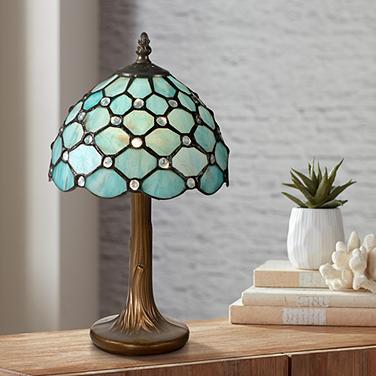


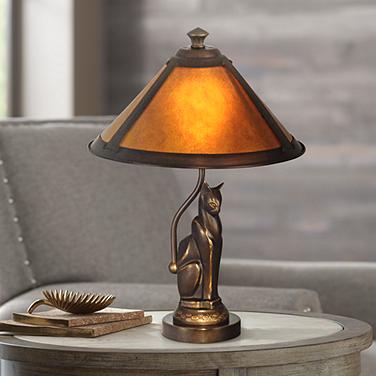


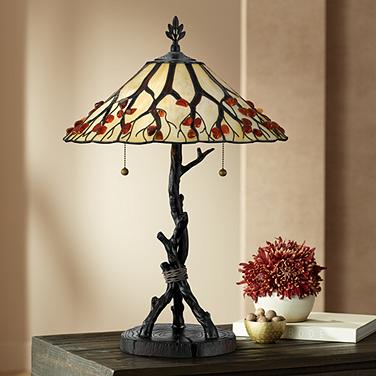
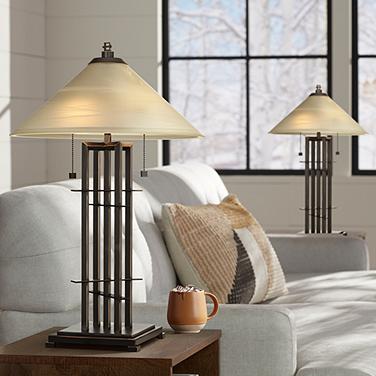












Looking for something specific?Search our site:
Arts and Crafts Table Lamps: Your Complete Guide to Mission, Craftsman, and Prairie Style Lighting
Discover the timeless beauty of Arts and Crafts table lamps, where hand-crafted artistry meets functional design. This collection features Mission style lamps, Craftsman lighting, and Prairie-inspired designs that bring warmth, character, and historical significance to any room. Whether you're decorating a Craftsman bungalow, adding vintage charm to a modern space, or seeking the perfect complement to your Stickley furniture, you'll find the ideal lamp among our selection of art glass shades, mica shade designs, and bronze finish art glass lamps.
The History and Enduring Appeal of Arts and Crafts Lighting
The Arts and Crafts movement emerged in late 19th century England as a reaction against the mass-produced, machine-made goods of the Industrial Revolution. Pioneered by designer William Morris and championed by art critic John Ruskin, the movement celebrated handcraftsmanship, honest materials, and designs inspired by nature. Morris believed that beautiful, well-made objects should be accessible to everyone and that the process of making them should bring joy to the craftsman.
When the movement crossed the Atlantic, American designers adapted these principles to create distinctly American interpretations. Gustav Stickley became the movement's most influential American voice, publishing The Craftsman magazine from 1901 to 1916 and producing furniture and lighting that embodied what he called "Craftsman" style. His designs featured simple, strong lines, visible joinery, and warm finishes that showcased the natural beauty of materials like quarter-sawn oak.
The related Mission style takes its name from the Spanish missions of California, characterized by clean geometric forms and practical elegance. Prairie style lighting, influenced by architect Frank Lloyd Wright's revolutionary approach to residential design, features horizontal lines, geometric patterns, and an integration with architectural elements that makes each lamp feel like part of a larger design scheme.
Today, Arts and Crafts table lamps remain beloved for their warm, inviting glow and their ability to transform a room into a comfortable retreat. The soft light filtering through art glass or mica shades creates an atmosphere that no modern minimalist design can replicate. You can also find this distinctive style in Arts and Crafts floor lamps and Mission style chandeliers to carry the look throughout your entire home.
Understanding Arts and Crafts Style Variations
While all Arts and Crafts lighting shares common values of craftsmanship and natural materials, several distinct styles have emerged, each with unique characteristics.
Mission Style Table Lamps
Mission style represents perhaps the most recognizable interpretation of Arts and Crafts design. These lamps feature strong, geometric silhouettes with clean vertical and horizontal lines. The aesthetic draws from Spanish colonial architecture and the simple, functional designs found in California mission churches.
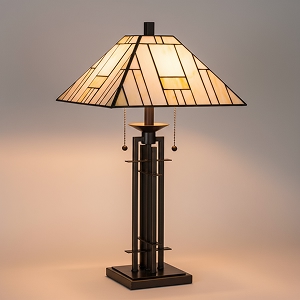
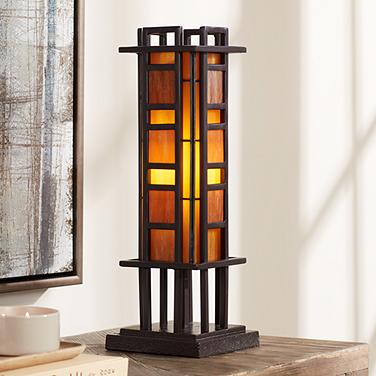
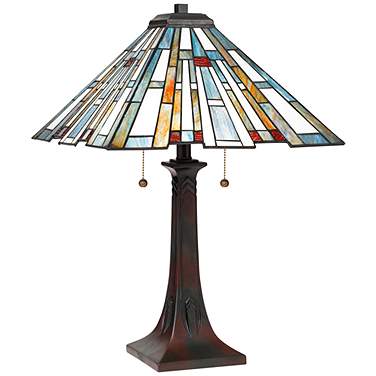
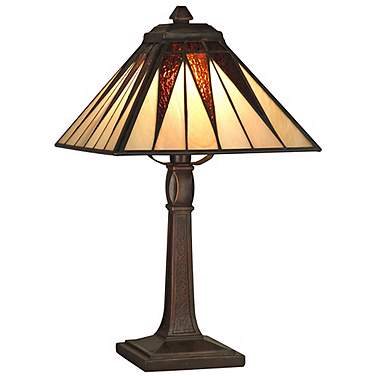
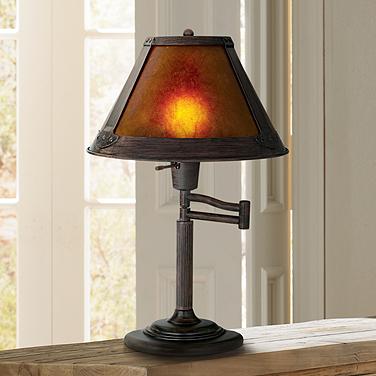
Typical Mission lamp characteristics include tapered square or rectangular shades, often made from art glass panels in warm amber, green, and earth tones. The bases frequently showcase the same geometric precision, with straight posts and stepped details. Bronze finishes dominate, ranging from dark oil-rubbed tones to warm antique brass. Browse our full collection of Mission style table lamps to explore the complete range of designs available.
Mission lamps pair exceptionally well with traditional and transitional interiors, especially rooms featuring dark wood furniture, leather seating, and earth-toned color palettes.
Craftsman Style Table Lamps
Craftsman style lighting takes direct inspiration from Gustav Stickley's design philosophy. These pieces emphasize visible construction methods, including exposed joinery, hammered metal surfaces, and the natural grain of wood. The Craftsman aesthetic values honesty in materials, meaning that every element of the lamp serves both a functional and decorative purpose.
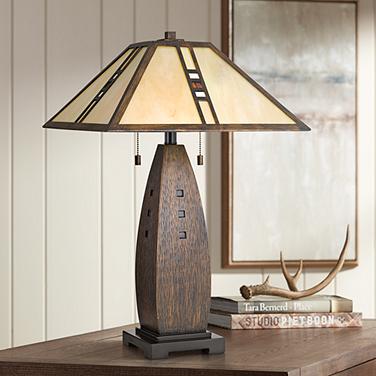
Craftsman lamps often feature oak or wood-look bases with pronounced grain patterns. Shades may incorporate mica panels that create a soft, amber glow, or art glass in geometric patterns. Hardware details like pull chains with acorn or ball finials add period-appropriate touches. These lamps complement Craftsman bungalow homes, Arts and Crafts furniture collections, and spaces that celebrate American heritage design.
Prairie Style Table Lamps
Prairie style emerged from Frank Lloyd Wright's architectural vision, which sought to create buildings that harmonized with the flat Midwestern landscape. Prairie lamps translate these principles into portable form, featuring strong horizontal lines, geometric art glass patterns, and bases that seem to grow organically from their surroundings.
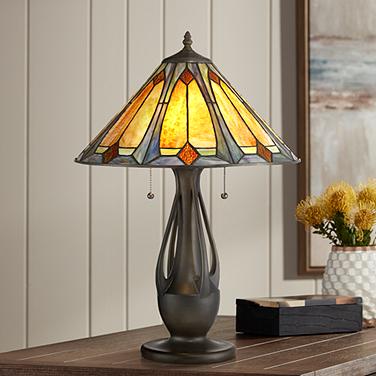
The geometric art glass patterns often associated with Prairie style reflect Wright's love of abstract natural forms. Wheat grass motifs, stylized flowers, and interlocking geometric shapes in rich jewel tones create windows of color when illuminated. Prairie style lamps work beautifully in both period homes and contemporary spaces, providing a bridge between historical design and modern aesthetics.
Tiffany-Style Art Glass Table Lamps
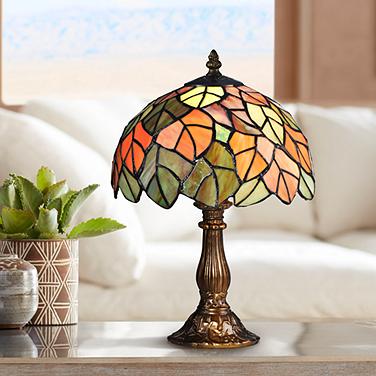
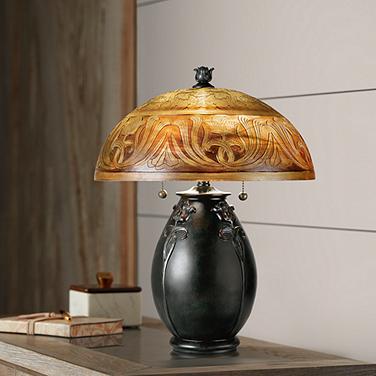
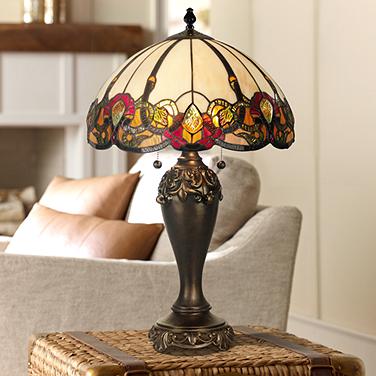
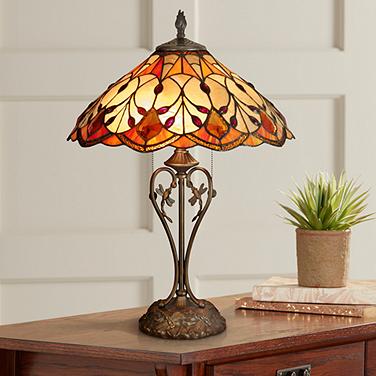
While Louis Comfort Tiffany's original designs predated the Arts and Crafts movement, Tiffany-style table lamps share the movement's reverence for handcraftsmanship and natural beauty. These lamps feature shades constructed from hundreds of individually cut and soldered glass pieces, creating intricate patterns of dragonflies, flowers, geometric designs, and natural scenes.
The copper foil technique, developed by Tiffany himself, allows for the precise curves and flowing lines that characterize these iconic designs. When lit, a Tiffany-style lamp becomes a glowing work of art, casting colored light across walls and surfaces. You'll also find beautiful Tiffany-style floor lamps and Tiffany-style wall sconces to complement your table lamp selection.
Key Features of Arts and Crafts Table Lamps
Art Glass and Stained Glass Shades
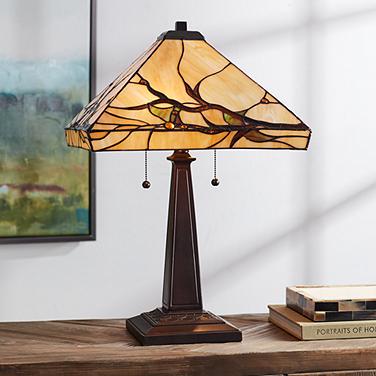
Art glass shades represent the most visually striking element of many Arts and Crafts lamps. These shades are constructed using the copper foil method, where each piece of glass is wrapped in thin copper foil and then soldered to adjacent pieces. This technique allows for both geometric precision and flowing organic designs.
The glass itself varies in opacity, texture, and color. Some pieces feature rippled or striated surfaces that catch and diffuse light in unique ways. Colors typically draw from nature: amber and honey tones suggest autumn leaves, while greens range from sage to hunter. Blues, reds, and creams provide accent colors in floral and geometric patterns. Shop our selection of art glass Arts and Crafts table lamps to find the perfect shade design for your space.
Quality art glass shades feature hand-cut pieces with smooth edges, clean solder lines, and consistent color within each section. Higher-end lamps may incorporate hundreds of individual glass pieces, each contributing to the overall design.
Mica Shade Table Lamps
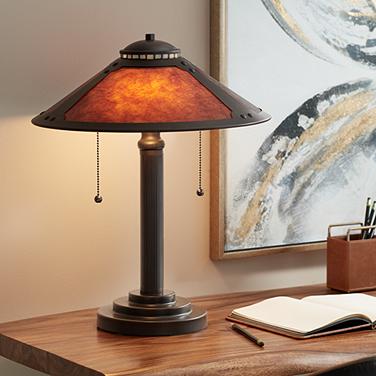
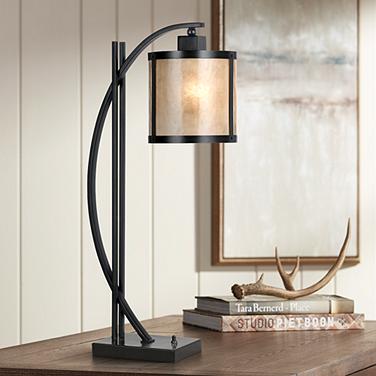
Mica shades offer a distinctly different aesthetic from art glass. Mica is a naturally occurring mineral that splits into thin, translucent sheets. When used in lamp shades, mica creates a warm, amber glow reminiscent of firelight or candlelight.
The natural variation in mica sheets means that no two lamps look exactly alike. Inclusions, color variations, and translucency differences add character and authenticity. Genuine mica shades are prized for their soft, diffused light quality and their ability to create intimate, cozy atmospheres. Mica shade lamps particularly suit reading areas, bedrooms, and any space where soft, non-glaring light enhances relaxation.
Bronze and Warm Metal Finishes
The metal finishes on Arts and Crafts lamps contribute significantly to their character. Browse our collection of bronze art glass Mission lamps to explore the range from dark oil-rubbed bronze to warm antique brass tones. These finishes complement the warm colors of art glass and mica while providing visual weight and substance.
Hammered surfaces, visible rivets, and textured metalwork reflect the handcrafted nature of Arts and Crafts design. Unlike the smooth, machine-perfect surfaces of mass-produced goods, these details celebrate the hand of the maker. Iron and wrought iron elements appear in some designs, particularly those with industrial or rustic influences. Copper accents, often left to develop a natural patina, add warmth and authenticity.
Natural Materials and Handcrafted Elements
Arts and Crafts designers valued natural materials that improved with age and use. Wood bases, often crafted from oak with visible grain patterns, ground many lamp designs. The quarter-sawn oak favored by Craftsman designers reveals distinctive ray fleck patterns that shimmer in changing light. Ceramic bases with matte glazes in earthy colors represent another tradition within Arts and Crafts lighting, often featuring nature-inspired motifs like ginkgo leaves, acorns, or flowing organic forms.
Choosing the Right Size Arts and Crafts Table Lamp
Selecting the appropriate lamp size ensures both proper illumination and visual balance in your space.
Size Guidelines by Placement
For bedside tables, look for lamps between 24 and 27 inches tall. The bottom of the shade should align approximately with your chin level when you're sitting in bed, preventing glare while providing adequate reading light. Living room end tables typically call for lamps between 26 and 32 inches tall — when seated on a sofa or chair, the bottom of the shade should align near eye level, ensuring comfortable, glare-free illumination. Desk and office lamps range from 18 to 25 inches, depending on whether you need focused task lighting or ambient illumination. Entry and foyer tables can accommodate taller lamps from 28 to 34 inches, as these serve primarily as accent pieces rather than task lighting.
Shade Width Considerations
The shade width should be proportional to both the lamp base and the table surface. A general guideline suggests that the shade should be approximately two-thirds the height of the entire lamp. For most residential applications, shades between 14 and 18 inches in diameter work well.
Placement Guide: Arts and Crafts Lamps by Room
Living Room
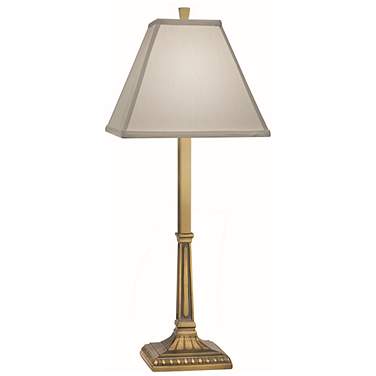
In living rooms, Arts and Crafts table lamps serve multiple functions: providing ambient light, creating cozy reading spots, and establishing visual focal points. Position lamps at varying heights throughout the room to create layered lighting that can adapt to different activities and moods. Place one lamp on each end table flanking a sofa for balanced, symmetrical illumination. Consider a taller buffet lamp on a console table to provide background light and showcase the lamp's art glass shade. For reading areas, position the lamp slightly behind and to one side of your seating, ensuring light falls across your reading material without creating shadows.
Bedroom
The bedroom benefits from the soft, warm light that Arts and Crafts lamps provide. Shop bedroom Arts and Crafts table lamps to find designs with mica or amber-toned art glass shades that create intimate atmospheres conducive to relaxation and sleep. Choose lamps with accessible switches such as pull chains or touch bases for convenient bedside operation. Night light features in the lamp base provide subtle illumination for nighttime navigation without disturbing sleep.
Home Office
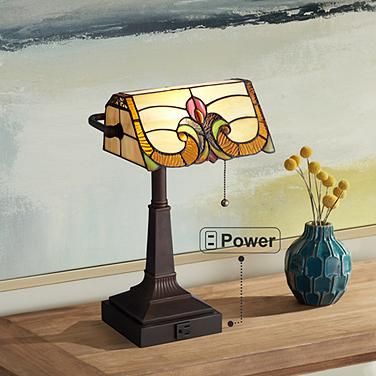
In home office settings, Arts and Crafts desk lamps combine period style with practical functionality. Look for designs that direct light downward onto the work surface while minimizing screen glare. Explore our selection of Tiffany-style desk lamps for options that pair beautiful art glass with task-oriented functionality. Modern adaptations include built-in USB ports and electrical outlets, allowing you to charge devices while maintaining period-appropriate aesthetics. Three-way switches or dimmable options provide flexibility for different tasks.
Entryway and Foyer
Entry areas benefit from lamps that make strong first impressions. Taller accent lamps with elaborate art glass shades serve as welcoming focal points while providing practical illumination for the transition between outdoor and indoor spaces. Consider lamps with dawn-to-dusk sensors or smart bulb compatibility for convenient operation in high-traffic areas.
Pairing Arts and Crafts Lamps with Home Styles
Craftsman Bungalow Homes
Arts and Crafts lighting represents the natural choice for Craftsman bungalows, which were designed with this aesthetic in mind. Look for lamps that echo the home's architectural details: geometric art glass patterns that complement built-in cabinetry, bronze finishes that coordinate with door hardware, and oak bases that match woodwork. The warm light from mica or amber art glass shades enhances the cozy, intimate atmosphere that Craftsman homes cultivate through their open floor plans and natural materials.
Modern Homes with Vintage Accents
Contemporary spaces gain warmth and character from thoughtfully placed Arts and Crafts lamps. The handcrafted nature of these pieces provides welcome contrast to sleek modern furniture and finishes. In modern settings, consider lamps as statement pieces rather than matching sets. A single exceptional art glass lamp can anchor a room while adding historical depth to minimalist design schemes.
Complementing Mission and Stickley Furniture
For collectors of Mission or Stickley furniture, matching lighting completes the aesthetic vision. Lamps should share the design vocabulary of your furniture: similar wood tones, compatible metal finishes, and proportional scale. Many manufacturers specifically design lamps to coordinate with classic furniture lines. Browse our curated selection of Mission and Arts and Crafts table lamps to find designs that perfectly complement your furniture collection.
Modern Features in Traditional Designs
Today's Arts and Crafts table lamps often incorporate contemporary conveniences while maintaining period-appropriate aesthetics.
USB Ports and Power Outlets
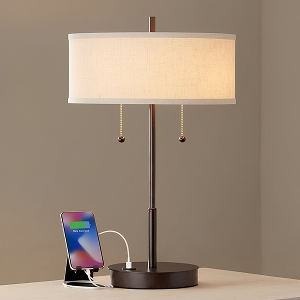
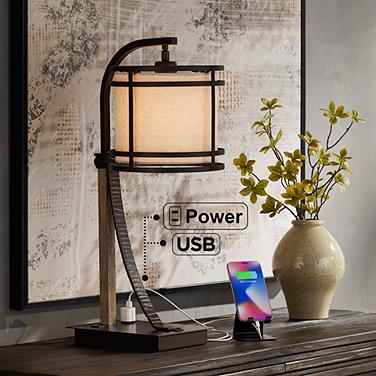
Built-in charging stations hidden in lamp bases allow you to power devices without disrupting the visual design. Look for Franklin Iron Works designs that integrate USB ports and AC outlets into Mission-style lamp bases. These features prove particularly valuable for bedside and desk applications.
LED Compatibility
Most Arts and Crafts lamps accept LED bulbs, providing energy efficiency and extended bulb life. Choose warm white LEDs (2700K–3000K) to maintain the warm glow associated with traditional incandescent lighting. Vintage-style filament LEDs create particularly attractive effects behind art glass shades.
Night Light Features and Dimmable Operation
Many lamp designs incorporate low-wattage night lights in their bases, providing gentle illumination when the main light is off. Explore our collection of Arts and Crafts lamps with night light features for designs that combine classic style with this practical convenience. Three-way switches and dimmer-compatible designs allow you to adjust light levels for different activities and times of day, from bright task lighting to soft ambient glow.
Care and Maintenance
Cleaning Art Glass Shades
Art glass shades require gentle care to maintain their beauty. Dust regularly with a soft brush or microfiber cloth to prevent buildup. For deeper cleaning, use a solution of mild dish soap and warm water, applied with a soft cloth. Avoid abrasive cleaners or scrubbing, which can damage solder lines and glass surfaces. Allow glass shades to dry completely before turning on the lamp, as moisture and heat can cause stress.
Caring for Mica Shades
Mica requires minimal maintenance beyond regular dusting. Use a soft brush or compressed air to remove dust from mica panels. Avoid liquid cleaners, which can damage the mineral's natural finish and cause warping. If mica panels become loose, consult a lighting specialist for repair rather than attempting DIY fixes.
Bulb Replacement
Check your lamp's maximum wattage rating before replacing bulbs. Arts and Crafts lamps typically accept standard medium-base bulbs, with many designs accommodating multiple bulbs for increased light output. When choosing LED replacements, select bulbs with warm color temperatures (2700K) and consider decorative filament-style LEDs that echo the appearance of vintage bulbs.
Frequently Asked Questions
What is the difference between Mission style and Arts and Crafts lighting?
Mission style is a subset of the broader Arts and Crafts movement, specifically referring to designs inspired by Spanish colonial mission architecture. Mission style features strong geometric shapes, clean lines, and earth-toned colors, while the Arts and Crafts movement encompasses Mission along with Craftsman, Prairie, and other related styles. All share values of handcraftsmanship and natural materials, but each has distinct visual characteristics.
How do I know if an Arts and Crafts lamp is good quality?
Quality indicators include hand-assembled art glass with smooth solder lines and no gaps between pieces, substantial metal bases with authentic finishes rather than painted plastic, and proper electrical components. Higher-quality lamps feature heavier construction, more intricate glass patterns with numerous individual pieces, and finishes that will age gracefully rather than peel or chip.
What type of bulb should I use in my Mission style table lamp?
Most Mission and Arts and Crafts lamps accept standard medium-base (E26) bulbs. For authentic warm lighting, choose LED bulbs rated at 2700K color temperature with a CRI of 90 or higher. Vintage-style filament LEDs create particularly attractive effects behind art glass shades. Always check your lamp's maximum wattage rating and never exceed it.
Can I use LED bulbs in my Tiffany-style lamp?
Yes, LED bulbs work well in Tiffany-style and art glass lamps. The key is selecting bulbs with warm color temperatures (2700K–3000K) to maintain the traditional amber glow that complements art glass. Decorative filament LED bulbs can enhance the aesthetic, especially in lamps with visible bulbs through glass panels.
What is a mica shade and why are they special?
Mica is a naturally occurring mineral that splits into thin, translucent sheets. When used in lamp shades, mica creates a soft, warm amber glow reminiscent of firelight. Each mica shade is unique due to natural variations in the mineral's color and opacity. Mica shades are prized in Arts and Crafts lighting for their authentic appearance and the cozy, diffused light quality they produce.
How tall should a table lamp be for my nightstand?
For bedside use, select lamps between 24 and 27 inches tall. The bottom of the lampshade should align approximately with your chin level when you're sitting up in bed. This height provides comfortable reading light while preventing glare. If your nightstand is unusually tall or short, adjust lamp height accordingly to maintain this relationship.
What finishes are authentic for Arts and Crafts lamps?
Authentic finishes include oil-rubbed bronze, antique brass, weathered bronze, dark bronze, and hammered copper. These warm metallic tones complement the amber and earth-toned colors typical of art glass and mica shades. Matte black and mission bronze are also period-appropriate choices. Bright chrome or shiny silver finishes are not traditional to this style.
How do I clean stained glass lamp shades?
Clean stained glass with a soft, dry microfiber cloth for routine dusting. For deeper cleaning, use a mixture of mild dish soap and warm water applied with a soft cloth, then dry immediately with a clean cloth. Never use ammonia-based glass cleaners, abrasive materials, or scrub brushes, as these can damage the glass surface and deteriorate solder joints over time.
Are Arts and Crafts lamps dimmable?
Many Arts and Crafts lamps can be used with dimmer switches, but compatibility depends on the specific lamp and bulb type. Check that your lamp's switch is dimmer-compatible and use dimmable LED or incandescent bulbs. Some lamps feature built-in three-way switches that provide preset brightness levels without requiring a wall dimmer.
What rooms are best for Mission style lamps?
Mission style lamps work beautifully in living rooms, bedrooms, home offices, dens, and entryways. Their warm, inviting glow makes them especially suitable for spaces where you want to create cozy, relaxed atmospheres. They complement rooms with wood furniture, leather upholstery, earth-toned colors, and traditional or transitional décor.
How do Arts and Crafts lamps differ from Art Nouveau lamps?
Arts and Crafts lamps emphasize geometric forms, straight lines, and honest construction, reflecting the movement's values of simplicity and craftsmanship. Art Nouveau lamps feature flowing, organic curves inspired by natural forms like flowers and vines. While both movements valued handcraftsmanship, their visual languages are distinctly different, with Arts and Crafts being more angular and Art Nouveau more curvilinear.
What wattage do I need for a reading lamp?
For comfortable reading, aim for total light output of 450–800 lumens at the reading surface. This typically translates to a 40–60 watt equivalent LED bulb in a single-bulb lamp, or lower wattages if your lamp has multiple bulbs. Consider lamps with adjustable brightness or three-way switches to customize light levels for different reading conditions.
Can I use Arts and Crafts lamps in a modern home?
Absolutely. Arts and Crafts lamps provide warmth and character that complements contemporary interiors, serving as statement pieces that add historical depth and handcrafted authenticity. In modern settings, these lamps often work best as accent pieces rather than matching sets, creating intentional contrast with sleek contemporary furniture.
What is the copper foil technique used in Tiffany-style lamps?
The copper foil technique involves wrapping each individual piece of cut glass with thin copper foil tape, then soldering the foil-wrapped pieces together. This method, developed by Louis Comfort Tiffany, allows for more intricate designs and tighter curves than traditional lead came techniques. The result is the distinctive raised solder lines visible on quality art glass shades.
How do I pair lamps with Stickley or Mission furniture?
Match wood tones between your lamp bases and furniture finishes. Coordinate metal finishes with existing hardware and accents. Consider scale to ensure lamps are proportionally appropriate for table surfaces. Many lamp manufacturers design pieces specifically to complement Mission and Stickley furniture collections, making coordination easier. Browse our complete Mission table lamp collection to find the ideal match for your furniture.
What makes Prairie style lighting different from Mission style?
Prairie style, influenced by Frank Lloyd Wright's architectural vision, emphasizes strong horizontal lines and integration with architectural surroundings. Art glass patterns often feature abstract geometric designs inspired by Midwestern prairie landscapes. Mission style focuses on vertical and geometric forms inspired by Spanish colonial missions. Both share Arts and Crafts values but express them through different visual vocabularies.
Are night light features common in Arts and Crafts lamps?
Many contemporary Arts and Crafts table lamps incorporate night light features in their bases. These small, low-wattage lights provide gentle illumination when the main lamp is off, useful for bedrooms and hallways. Shop our selection of Arts and Crafts lamps with night lights to find designs with separate switches for the night light and main light to maximize functionality.
How do I choose between art glass and mica shades?
Art glass shades create colorful, jewel-like effects when illuminated, making them ideal focal points and conversation pieces. Mica shades produce softer, more diffused amber light better suited for relaxation and intimate settings. Consider the mood you want to create: art glass for visual impact and decorative interest, mica for warmth and tranquility.
What USB and charging features are available in Mission style lamps?
Many modern Mission and Arts and Crafts lamps include built-in USB ports, USB-C ports, and AC outlets in their bases. These features allow convenient device charging while maintaining period-appropriate aesthetics. Look for lamps where charging ports are discreetly positioned to preserve the traditional appearance.
How long do quality art glass lamps last?
With proper care, quality art glass lamps can last for generations. The glass itself is extremely durable, and well-soldered joints maintain their integrity for decades. Electrical components may eventually need replacement, but the decorative elements of a well-made lamp can become family heirlooms passed down through multiple generations.