

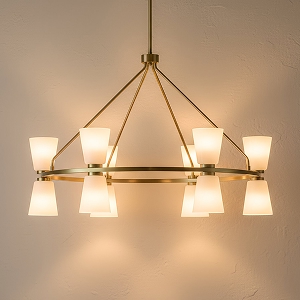
 Possini Chandeliers
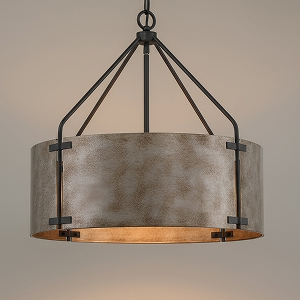 Drum Chandeliers
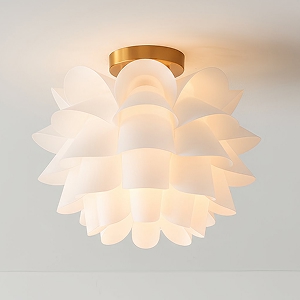 Semi Flush Chandeliers
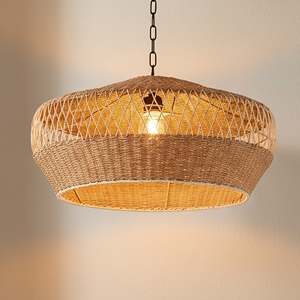 Rattan Chandeliers
 Outdoor Chandeliers
 Gold Chandeliers
 Bedroom
 Buffet
 USB
USB
 Tiffany
 Coastal
 Mid Century
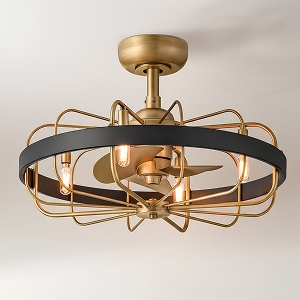 Fandeliers
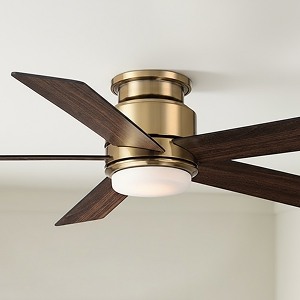 Casa Vieja
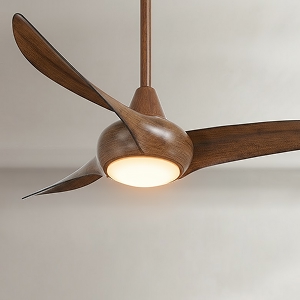 Minka Aire
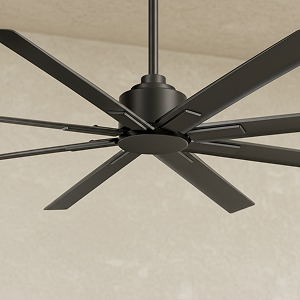 Outdoor
 Caged
Caged
 Smart Fans
 Vanity Lights
 Bathroom Sets
 Plug In
 Brushed Nickel
 Gold
Gold
 Black
Black
 Soft Glow
 New Industrial
 Integrated LED
 Opal Glass
 Rattan & Wicker
 Wood Fans
LED Close-to-Ceiling Lights
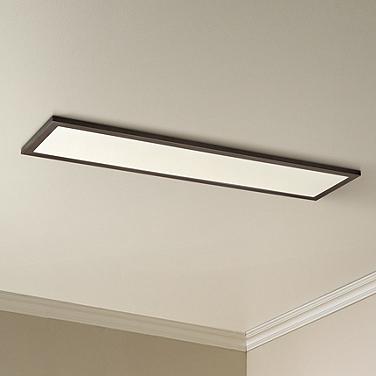
2,289 resultsFree Shipping* on our LED ceiling lights. Stylish, long lasting and extra energy efficient LED ceiling light designs for every room in your home.

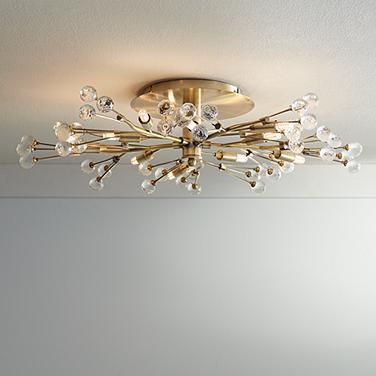

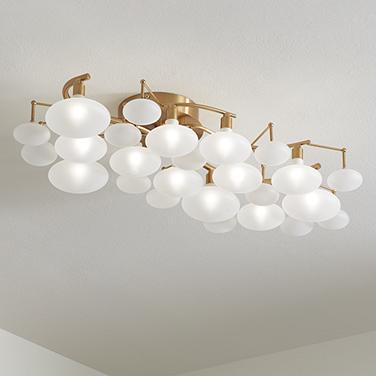
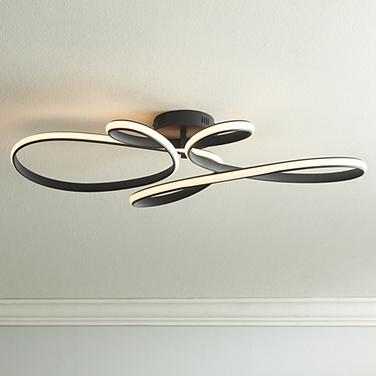
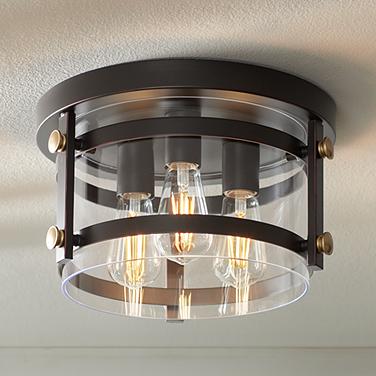

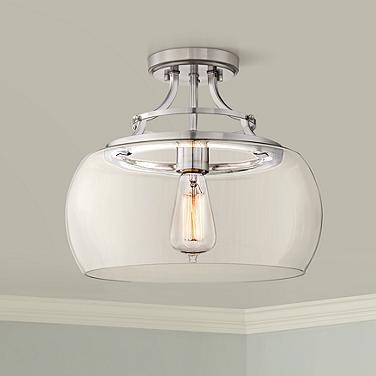

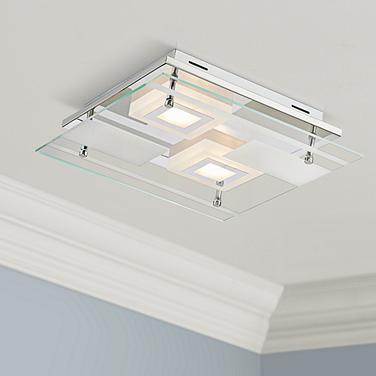
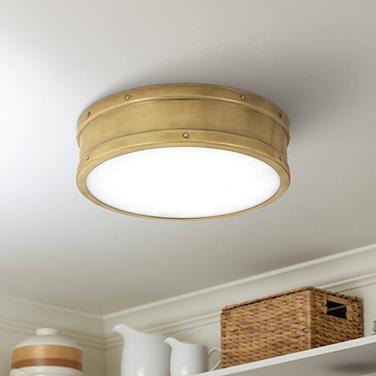
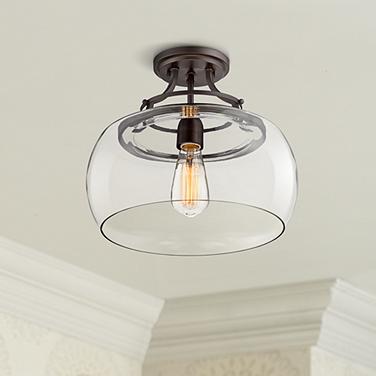









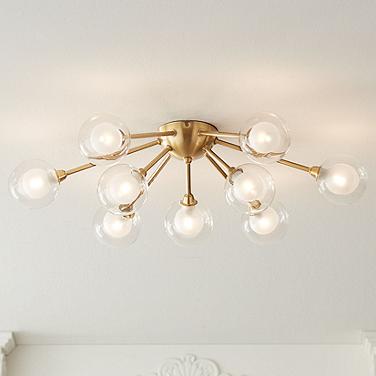

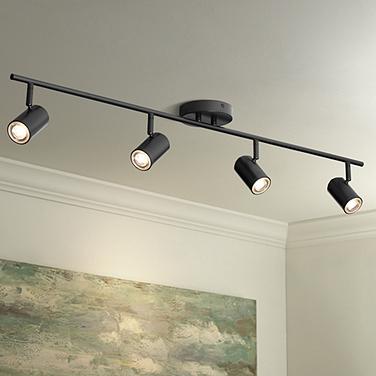
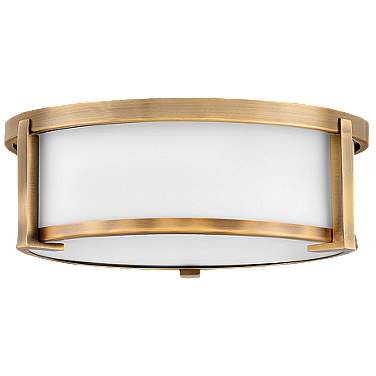


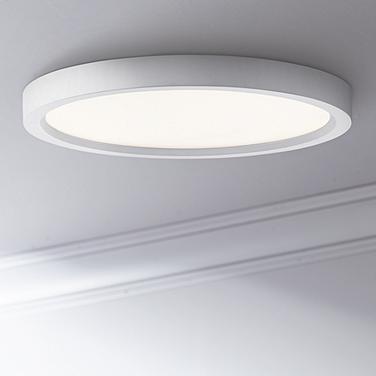


Looking for something specific?Search our site:
Find All The LED Close-to-Ceiling Lights You Need at Lamps Plus
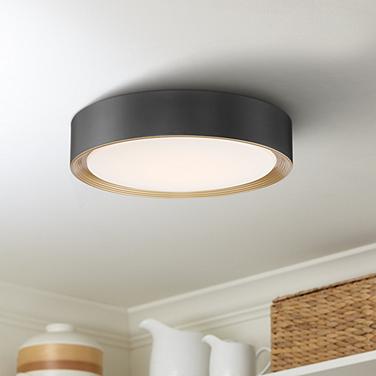
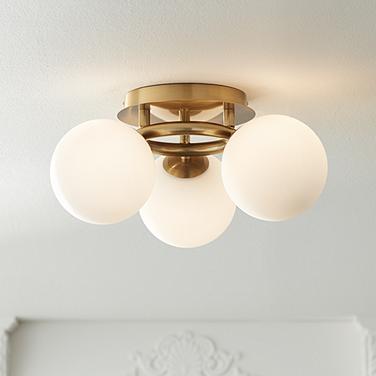
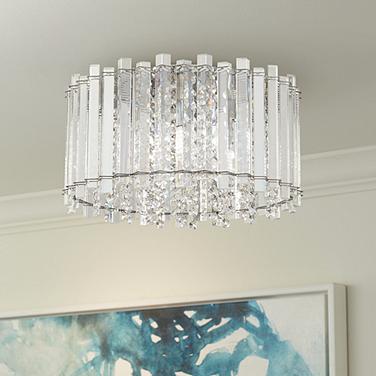
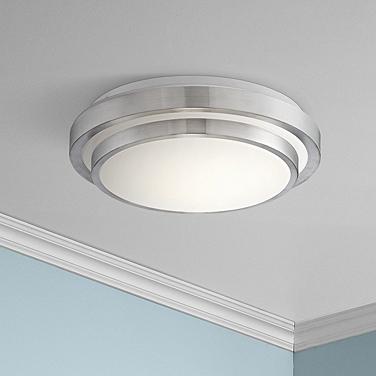
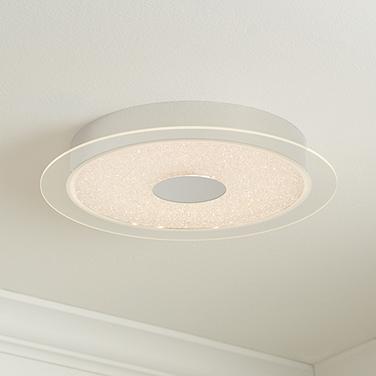
LED close-to-ceiling lights bring energy-efficient illumination to any room without sacrificing style or brightness. These versatile fixtures, including flush mount and semi-flush designs, sit close to the ceiling surface, making them ideal for rooms with standard 8-foot ceilings where hanging fixtures would feel cramped. From sleek modern designs to elegant traditional styles, LED ceiling lights offer solutions for every space in your home while dramatically reducing energy costs. Whether you're updating a kitchen, brightening a bedroom, or illuminating a hallway, the right LED ceiling light transforms both the functionality and atmosphere of your space.
Why Choose LED Close-to-Ceiling Lights
LED technology has revolutionized ceiling lighting, offering benefits that traditional incandescent and fluorescent fixtures simply cannot match. Understanding these advantages helps you make an informed decision for your home's lighting needs.
Energy Efficiency and Cost Savings
LED ceiling lights use approximately 75% less energy than incandescent bulbs while producing equivalent brightness. A traditional 60-watt incandescent bulb produces about 800 lumens; an LED achieves the same light output using just 8-12 watts. This dramatic reduction in energy consumption translates directly to lower utility bills. Consider a household that operates ceiling lights for an average of 5 hours daily — replacing five 60-watt incandescent fixtures with LED equivalents saves approximately $125 annually in electricity costs. Over the lifespan of the LED fixtures, which typically exceeds 25,000 hours, cumulative savings can reach $500 or more per fixture.
Exceptional Lifespan
LED ceiling lights dramatically outlast other lighting technologies. While incandescent bulbs average 1,000-2,000 hours of life and fluorescent tubes reach 8,000-15,000 hours, quality LED fixtures typically last 25,000 to 50,000 hours. At 5 hours of daily use, an LED ceiling light can last over 13 years before requiring replacement. This extended lifespan means fewer replacements, less maintenance, and reduced hassle — particularly valuable for ceiling fixtures that require ladders or step stools to access. Many LED flush mounts feature integrated LED modules rated for the lifetime of the fixture, eliminating bulb changes entirely.
Low Profile for Any Ceiling Height
Close-to-ceiling fixtures mount directly to the ceiling surface or extend just a few inches below, making them perfect for rooms with standard 8-foot ceilings where pendants or chandeliers would hang too low. LED technology's compact design allows manufacturers to create sleek profiles that maximize headroom while delivering powerful illumination. Flush mount LED lights sit completely flat against the ceiling, typically extending only 3-4 inches below the surface. Semi-flush designs drop slightly lower, usually 6-12 inches, allowing for more decorative elements while maintaining adequate clearance.
How to Choose the Right LED Ceiling Light
Selecting the perfect LED ceiling light involves understanding several key specifications that affect both the quality and quantity of light produced. These specifications help you match fixtures to specific room requirements and personal preferences.
Understanding Lumens
Lumens measure actual light output rather than energy consumption, making them the most important specification for determining fixture brightness. Higher lumens mean brighter light; the number you need depends on room size, ceiling height, and intended use. General lighting guidelines suggest 10-20 lumens per square foot for ambient lighting. A 150-square-foot living room needs 1,500-3,000 lumens total; a single LED flush mount providing 2,000 lumens could adequately illuminate this space. Kitchens and workspaces benefit from higher ratios, around 30-40 lumens per square foot, while bedrooms can use lower levels for relaxed atmospheres.
Color Temperature Guide
Color temperature, measured in Kelvin (K), describes the warmth or coolness of light. Lower Kelvin values produce warm, yellowish light similar to traditional incandescent bulbs, while higher values create cooler, bluish-white light resembling daylight.
- 2700K (Warm White): Creates a cozy, inviting atmosphere ideal for bedrooms, living rooms, and dining areas. This temperature closely mimics incandescent lighting.
- 3000K (Soft White): Slightly cooler than warm white, offering versatility for kitchens, bathrooms, and general living spaces. Popular for transitional and modern décor.
- 4000K (Cool White): Produces a bright, energetic feel suited for kitchens, home offices, garages, and task-oriented spaces.
- 5000K-6500K (Daylight): Mimics natural daylight, providing excellent color accuracy for craft rooms, reading areas, and spaces requiring detailed work.
CRI: Color Rendering Index
The Color Rendering Index measures how accurately a light source reveals the true colors of objects compared to natural sunlight, rated on a scale of 0-100. Higher CRI values mean colors appear more vibrant and true to life under that light source. For residential applications, choose LED ceiling lights with CRI ratings of 80 or above. Kitchens, bathrooms, and closets benefit from CRI 90+ fixtures where accurate color perception matters for cooking, makeup application, and coordinating outfits.
Integrated LED vs. LED-Compatible Fixtures
LED ceiling lights come in two configurations: integrated LED fixtures with built-in LED arrays, and LED-compatible fixtures that accept replaceable LED bulbs. Integrated LED fixtures feature LEDs engineered specifically for that fixture, optimizing light distribution, thermal management, and efficiency — these fixtures typically offer sleeker profiles and longer lifespans, though the LEDs cannot be replaced independently when they eventually fail. LED-compatible fixtures accept standard LED bulbs, allowing you to replace bulbs when needed and adjust color temperature or brightness by swapping bulbs, at the cost of slightly less efficient operation.
LED Ceiling Light Size Guide by Room
Proper sizing ensures your LED ceiling light provides adequate illumination while appearing proportional to the room. An undersized fixture looks lost on the ceiling and fails to light the space adequately; an oversized fixture overwhelms the room and may produce glare.
The Sizing Formula
Add your room's length and width in feet, then convert the sum to inches for the ideal fixture diameter. For example, a room measuring 12 feet by 14 feet equals 26, suggesting a ceiling light approximately 26 inches in diameter. This formula provides a starting point; adjust based on ceiling height and room function. Higher ceilings can accommodate larger fixtures, while lower ceilings may require staying at the smaller end of the calculated range.
Room-Specific Recommendations
- Small Rooms (up to 100 sq ft): Choose fixtures 12-16 inches in diameter producing 1,000-2,000 lumens. Ideal for bathrooms, walk-in closets, small bedrooms, and entryways.
- Medium Rooms (100-200 sq ft): Select fixtures 17-24 inches in diameter with 2,000-3,500 lumens. Suitable for standard bedrooms, home offices, and smaller living areas.
- Large Rooms (200-400 sq ft): Opt for fixtures 24-32 inches in diameter providing 3,500-5,000 lumens. Appropriate for master bedrooms, larger living rooms, and dining rooms.
- Extra-Large Rooms (400+ sq ft): Consider fixtures over 32 inches or multiple coordinated fixtures totaling 5,000+ lumens. Great rooms, open-concept spaces, and large kitchens often require this approach.
LED Ceiling Lights for Every Room
Different rooms have unique lighting requirements based on their function, natural light levels, and design aesthetics. LED close-to-ceiling lights adapt to meet these varied needs with appropriate brightness, color temperature, and style options.
Kitchen LED Ceiling Lights
Kitchens demand bright, clear illumination for safe food preparation and cooking. LED flush mounts serve excellently as primary ambient lighting, typically mounted in the center of the kitchen or over open floor areas away from cabinets. For effective kitchen lighting, choose fixtures providing 30-40 lumens per square foot with 3000K-4000K color temperature for bright, accurate task visibility. Consider fixtures with high CRI ratings (90+) if you frequently evaluate food colors while cooking. Dimmable options add versatility, allowing bright task lighting during meal preparation and softer ambient lighting during casual dining or entertaining. Brands like Kichler and Possini Euro Design offer excellent kitchen-ready LED flush mounts in a range of sizes and finishes.
Bedroom LED Flush Mounts
Bedrooms benefit from warmer color temperatures (2700K-3000K) that promote relaxation and signal the body to prepare for sleep. LED flush mounts in bedrooms typically serve as ambient lighting supplemented by bedside lamps for reading. Choose dimmable fixtures to adjust lighting levels from bright morning illumination to soft evening ambiance. For master bedrooms, semi-flush fixtures add decorative interest while maintaining adequate ceiling clearance. Crystal or glass-shaded designs introduce elegance, while simple disc-shaped LED flush mounts complement modern and minimalist bedrooms.
Bathroom LED Ceiling Fixtures
Bathrooms require LED fixtures rated for damp or wet locations depending on proximity to water sources. Fixtures directly above showers or tubs need wet-location ratings; those in other bathroom areas require at minimum damp-location certification. Always verify ratings before installation. For bathrooms, 3000K-4000K color temperatures provide bright, accurate lighting for grooming tasks. High-CRI fixtures (90+) ensure makeup and skin tones appear natural. Small bathrooms often need only a single centered fixture; larger master baths may incorporate multiple LED flush mounts or combine ceiling lighting with vanity fixtures.
Hallway and Closet LED Options
Hallways and closets prioritize function over decorative impact. Small LED flush mounts provide adequate illumination in these typically compact spaces. For long hallways, space multiple small fixtures evenly rather than relying on a single centered light, ensuring consistent illumination along the entire passage. Walk-in closets benefit from higher color temperatures (3000K-4000K) and CRI 90+ fixtures for accurate color matching when selecting clothing. Motion-sensor compatible LED fixtures add convenience in closets, automatically illuminating when you enter. Brushed nickel and white finishes are popular neutral choices for hallway fixtures.
Living Room and Entry LED Fixtures
Living rooms serve multiple purposes from entertaining to relaxing, making dimmable LED fixtures ideal choices. Semi-flush designs offer opportunities for decorative statement pieces that complement your décor while providing practical illumination. Choose fixtures that can deliver bright light for activities like reading or games, then dim for movie watching or quiet evenings. Entryways and foyers create first impressions, making fixture selection particularly important. Warmer color temperatures (2700K-3000K) create inviting atmospheres. Explore options from Generation Lighting and Quoizel for decorative semi-flush styles that make an entrance.
LED Ceiling Light Styles
LED technology adapts to virtually any design aesthetic, from ultra-modern minimalism to classic traditional elegance. The compact nature of LED components gives designers freedom to create fixtures that would be impossible with older lighting technologies.
Modern LED Flush Mounts
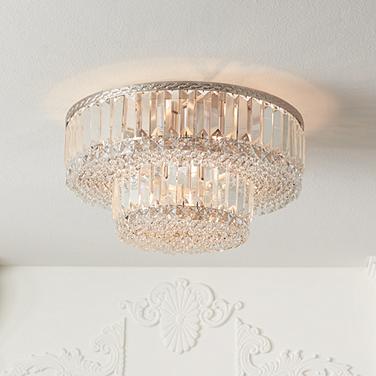
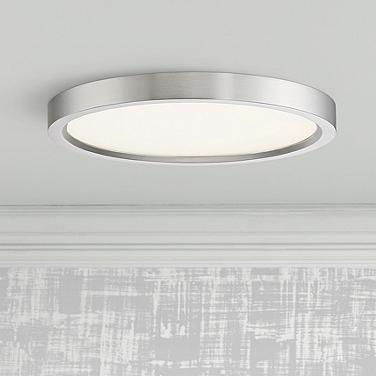
Modern LED ceiling lights embrace clean lines, geometric shapes, and sleek profiles. Simple disc designs with thin profiles represent the quintessential modern flush mount, often featuring brushed nickel or matte black finishes. Integrated LED panels produce smooth, even illumination without visible bulbs. Contemporary variations include fixtures with acrylic diffusers, sculptural shapes, and mixed materials combining metal with glass or wood accents. Smart-home-compatible modern fixtures blend seamlessly into minimalist interiors while offering advanced functionality. Browse our selection of contemporary close-to-ceiling lights or explore the modern designs from Possini Euro Design.
Traditional LED Ceiling Fixtures
Traditional LED ceiling lights incorporate classic design elements like curved metal frames, glass shades, and ornate detailing updated with modern LED technology. Oil-rubbed bronze and antique brass finishes provide warm, classic appeal. Frosted glass or alabaster-style diffusers soften the light while adding traditional elegance. These fixtures prove that energy efficiency doesn't require sacrificing timeless style. Explore our full range of traditional close-to-ceiling lights, including options from Quoizel and Generation Lighting.
Farmhouse and Rustic LED Options
Farmhouse LED ceiling lights capture country charm with weathered finishes, natural textures, and vintage-inspired details. Wood-accented fixtures, wire cage designs, and fixtures incorporating mason jar-style glass bring rustic warmth to kitchens, dining areas, and living spaces. Distressed metal finishes in whites, grays, and natural tones complement farmhouse décor. Many rustic fixtures feature exposed bulbs, making Edison-style LED bulbs with visible filament structures ideal companions that enhance the vintage aesthetic while providing efficient illumination. Shop our collection of farmhouse close-to-ceiling lights for the full range of country-inspired styles.
Finish Options
LED ceiling light finishes range from classic to contemporary, allowing coordination with existing hardware and décor elements throughout your home. The right finish ties your lighting to the rest of your room's design.
- Black and Matte Black: Bold, modern appeal that creates dramatic contrast in both light and dark spaces. Extremely versatile across contemporary, industrial, and transitional styles. Browse black close-to-ceiling lights.
- Brushed Nickel: Cool, subtle metallic tone that complements modern and transitional interiors. Coordinates with stainless steel appliances and chrome fixtures. Explore brushed nickel LED ceiling lights.
- Brass and Gold: Warm metallic tones adding elegance and sophistication. Available in polished, brushed, and antique variations to suit different styles. Shop brass and antique brass ceiling fixtures.
- White: Clean, neutral option that blends with white ceilings for minimal visual impact. Popular in modern, coastal, and contemporary spaces.
- Oil-Rubbed Bronze: Rich, warm finish with subtle highlights perfect for traditional, rustic, and transitional settings. Browse bronze close-to-ceiling lights.
- Chrome: High-shine, reflective finish that adds a polished, modern look to any space. Shop chrome ceiling lights.
Shop by Brand
Our LED close-to-ceiling light collection features fixtures from the industry's most trusted manufacturers, each bringing distinct design philosophies and quality craftsmanship to this category.
Possini Euro Design
Possini Euro Design is a Lamps Plus exclusive brand specializing in contemporary and modern lighting with exceptional value. Their LED flush mount collection features sleek disc designs, brushed nickel and matte black finishes, and integrated LED technology in a wide range of sizes — making them a go-to for modern home updates.
Kichler
Kichler offers a broad range of close-to-ceiling fixtures spanning contemporary, traditional, and transitional styles. Known for quality construction and diverse finish options, Kichler's LED lineup includes both integrated and LED-compatible designs suited to virtually every room in the home.
Generation Lighting
Generation Lighting (formerly Feiss) brings designer-inspired aesthetics to the LED ceiling light category. Their collection leans toward transitional and traditional styles, featuring elegant glass shades and refined metallic finishes that elevate living rooms, bedrooms, and entryways.
Quoizel
Quoizel is a heritage lighting brand known for richly detailed traditional and transitional fixtures. Their close-to-ceiling collection features classic glass shades, antique brass and bronze finishes, and heirloom-quality construction — perfect for homes with a classic or eclectic aesthetic.
Nuvo Lighting
Nuvo Lighting delivers an impressive value-forward selection of LED flush mounts with an emphasis on clean, functional design. A strong choice for builders, renovators, and anyone outfitting multiple rooms, Nuvo's extensive LED catalog covers everything from simple disc lights to decorative multi-light fixtures.
Smart and Dimmable LED Ceiling Lights
Modern LED technology extends beyond basic illumination, offering smart controls and adjustable features that let you customize lighting to your activities and preferences.
Dimmer Compatibility
Most LED ceiling lights work with dimmer switches, though compatibility varies by fixture and dimmer type. LED fixtures require LED-compatible dimmers rather than older incandescent dimmers, which can cause flickering, buzzing, or premature fixture failure when paired with LEDs. When planning to dim your LED ceiling lights, verify the fixture specifications list dimmer compatibility and check for recommended dimmer models. Trailing-edge dimmers typically offer the smoothest LED dimming performance.
Smart Home Integration
Smart LED ceiling lights connect to your home network, enabling control via smartphone apps, voice assistants like Alexa and Google Home, and integration with broader smart home systems. Features include:
- Remote Control: Adjust brightness, color temperature, and on/off status from anywhere using your smartphone.
- Scheduling: Program lights to turn on and off automatically at specific times or in response to sunrise/sunset.
- Scene Settings: Create preset lighting configurations for different activities — "movie night" with dim, warm light or "morning" with bright, energizing illumination.
- Voice Control: Turn lights on or off, adjust brightness, and change settings with voice commands.
Color-Changing LED Options
Some LED ceiling lights offer tunable white capabilities, allowing you to adjust color temperature from warm 2700K to cool 6500K. This flexibility lets you create energizing bright light for morning routines, then shift to warm, relaxing tones in the evening. More advanced fixtures offer full RGB color options for accent lighting and special occasions.
Installing LED Flush Mount Ceiling Lights
LED ceiling light installation follows similar procedures to other ceiling fixtures, with a few LED-specific considerations. Many homeowners successfully install these fixtures themselves, though complex installations or unfamiliar electrical work should involve licensed electricians.
DIY vs. Professional Installation
Simple replacement of an existing ceiling fixture with a similar LED model often falls within DIY capability for homeowners comfortable with basic electrical work. Turn off power at the breaker, verify the circuit is dead with a voltage tester, remove the old fixture, connect matching wires (typically black to black, white to white, and green or bare copper to ground), and mount the new fixture according to manufacturer instructions. Professional installation becomes advisable when adding a new fixture where none existed, upgrading electrical boxes, installing multiple fixtures on new circuits, or working with unfamiliar wiring configurations.
Ceiling Height Considerations
For standard 8-foot ceilings, flush mount fixtures maintain maximum headroom. Semi-flush designs that drop 6-12 inches from the ceiling work well with 9-foot or higher ceilings while still providing more clearance than pendants or chandeliers. The bottom of any ceiling fixture should remain at least 7 feet from the floor in areas where people walk or stand.
Junction Box Requirements
LED ceiling lights mount to standard ceiling electrical boxes. Verify your existing box can support the weight of your new fixture, particularly when upgrading to larger or heavier designs. Most LED flush mounts are lightweight compared to traditional fixtures, rarely requiring junction box upgrades. Standard ceiling boxes support fixtures up to 50 pounds. If your chosen fixture exceeds this weight or if you have concerns about box condition, consult an electrician about upgrading to a heavier-duty rated box before installation.
Frequently Asked Questions
What is the difference between flush mount and semi-flush LED ceiling lights?
Flush mount LED lights attach directly to the ceiling with minimal space between fixture and ceiling surface, typically extending only 3-4 inches below the ceiling. Semi-flush fixtures hang slightly lower on a short stem or rod, usually 6-12 inches from the ceiling, allowing room for more decorative elements while maintaining clearance for standard ceiling heights. Flush mounts maximize headroom in spaces with 8-foot ceilings, while semi-flush designs work better in rooms with 9-foot or taller ceilings where the additional drop creates visual interest.
How many lumens do I need for an LED ceiling light?
Lumen requirements depend on room size and function. For general ambient lighting, plan for 10-20 lumens per square foot. A 150-square-foot bedroom needs 1,500-3,000 lumens; a 200-square-foot living room needs 2,000-4,000 lumens. Task-oriented spaces like kitchens and home offices benefit from 30-40 lumens per square foot. A single LED flush mount serving as a room's primary light source should provide at least the minimum lumens for that room size; supplemental fixtures like lamps can reduce this requirement.
What color temperature is best for LED ceiling lights?
The best color temperature depends on room function and personal preference. Warm white (2700K) creates relaxing atmospheres ideal for bedrooms and living rooms. Soft white (3000K) offers versatility for kitchens, bathrooms, and multi-purpose spaces. Cool white (4000K) provides energizing, crisp light for home offices and task areas. Daylight (5000K-6500K) delivers maximum clarity for detailed work in craft rooms or reading areas. Most homes benefit from warmer temperatures (2700K-3000K) in living spaces and cooler temperatures (3000K-4000K) in work areas.
Can LED ceiling lights be dimmed?
Most LED ceiling lights are dimmable, but they require LED-compatible dimmer switches rather than traditional incandescent dimmers. Check fixture specifications to confirm dimming capability and review manufacturer recommendations for compatible dimmer models. Trailing-edge dimmers typically provide the smoothest LED dimming performance. Some integrated LED fixtures have minimum dim levels around 10% brightness rather than dimming to near-zero like incandescent bulbs.
How long do LED ceiling lights last?
Quality LED ceiling lights typically last 25,000 to 50,000 hours, roughly 15-30 years at average residential usage of 3-5 hours daily. Integrated LED fixtures are often rated for the lifetime of the fixture, eliminating bulb replacement entirely. Unlike incandescent bulbs that fail suddenly, LEDs gradually dim over time; manufacturers rate lifespan to L70, meaning the point when brightness drops to 70% of original output. Actual lifespan varies based on operating temperature, power quality, and usage patterns.
Are LED ceiling lights energy efficient?
LED ceiling lights use approximately 75% less electricity than incandescent bulbs producing equivalent brightness. A traditional 60-watt incandescent bulb produces about 800 lumens; an LED achieves the same output using just 8-12 watts. This efficiency translates to significant utility bill savings, particularly for fixtures that operate several hours daily. LED technology also produces minimal heat compared to incandescent bulbs, reducing cooling loads in summer months.
What is CRI and why does it matter for LED ceiling lights?
CRI (Color Rendering Index) measures how accurately a light source reveals the true colors of objects, rated on a 0-100 scale where 100 represents perfect color rendering like natural sunlight. Higher CRI values mean colors appear more vibrant and accurate under that light. For residential LED ceiling lights, choose CRI 80 or higher for general spaces; CRI 90+ fixtures are recommended for kitchens, bathrooms, and closets where accurate color perception significantly impacts daily activities.
What size LED ceiling light do I need for my room?
Calculate ideal fixture diameter by adding room length and width in feet, then converting to inches. A 12' x 14' room suggests a 26-inch diameter fixture. Small rooms (under 100 sq ft) work well with 12-16 inch fixtures; medium rooms (100-200 sq ft) suit 17-24 inch fixtures; large rooms (200-400 sq ft) need 24-32 inch fixtures; very large spaces (400+ sq ft) may require 32+ inch fixtures or multiple coordinated fixtures. Adjust sizing based on ceiling height, room function, and whether supplemental lighting sources are present.
Can I install an LED ceiling light myself?
Many LED ceiling lights can be installed DIY if you're comfortable with basic electrical work and replacing an existing fixture. The process involves turning off power at the breaker, confirming the circuit is dead with a voltage tester, removing the old fixture, connecting matching wires (black to black, white to white, ground to ground), and mounting per manufacturer instructions. Professional installation is recommended when adding fixtures where none existed, working with unfamiliar wiring, or when local codes require licensed electricians for electrical work.
What is the difference between integrated LED and LED-compatible fixtures?
Integrated LED fixtures have LED arrays built directly into the fixture, engineered specifically for that design — typically offering sleeker profiles, optimized light distribution, and longer lifespans, but the LEDs cannot be independently replaced. LED-compatible fixtures accept standard LED bulbs in common bases like E26 or candelabra, allowing bulb replacement when needed and the flexibility to change color temperature or brightness by swapping bulbs. LED-compatible fixtures tend to be slightly bulkier but offer more user flexibility.
Do I need a damp-rated LED ceiling light for my bathroom?
Bathrooms require damp-rated fixtures at minimum, with wet-rated fixtures necessary directly above showers or tubs. Damp ratings indicate the fixture can handle humidity and steam from bathing; wet ratings mean the fixture can withstand direct water contact. Installing a dry-location-only fixture in a bathroom risks fixture failure, electrical hazards, and voided warranties. Always verify ratings before purchase and position damp-rated fixtures in areas not subject to direct water spray.
Are smart LED ceiling lights worth it?
Smart LED ceiling lights offer convenience features that justify their premium for many homeowners. Benefits include remote control via smartphone, voice control through Alexa or Google Home, scheduled operation, scene programming, and integration with other smart home devices. These features prove particularly valuable for lights in high-traffic areas, hard-to-reach locations, or rooms where you frequently adjust lighting. However, standard LED fixtures work perfectly well for spaces where you simply need reliable, efficient illumination without advanced control features.
How do I choose an LED ceiling light for a low ceiling?
For low ceilings (8 feet or under), choose flush mount LED fixtures that extend no more than 4-5 inches from the ceiling surface. These designs maximize headroom while providing ample illumination. Avoid semi-flush fixtures that drop 6+ inches from the ceiling. Look for disc-shaped or slim-profile fixtures that spread light across the ceiling rather than hanging downward. The bottom of any fixture should remain at least 7 feet from the floor in areas where people walk or stand regularly.
What LED ceiling light is best for a kitchen?
Kitchen LED ceiling lights should provide bright, clear illumination with good color rendering. Choose fixtures delivering 30-40 lumens per square foot in 3000K-4000K color temperature with CRI ratings of 90 or higher for accurate food color evaluation. Dimmable fixtures add versatility for transitioning from bright task lighting during cooking to softer ambiance during dining. Consider multiple smaller fixtures rather than one large central fixture if your kitchen has task areas that would benefit from distributed lighting.
Can LED ceiling lights replace fluorescent fixtures?
LED ceiling lights make excellent replacements for outdated fluorescent fixtures. LED technology offers superior color rendering, instant-on illumination without warm-up time, no flickering or buzzing, and longer lifespan without the hazardous materials found in fluorescent tubes. When replacing fluorescent fixtures, choose LED alternatives providing similar or higher lumen output. Many LED flush mounts designed as fluorescent replacements mount to existing junction boxes, though some fluorescent fixtures may require minor electrical modifications during conversion.
How do I clean LED ceiling lights?
Clean LED ceiling lights by first turning off the fixture and allowing it to cool. Use a soft, dry microfiber cloth or duster to remove loose dust from the fixture surface and diffuser. For deeper cleaning, dampen the cloth slightly with water or a mild glass cleaner for glass diffusers. Avoid harsh chemicals, abrasive cleaners, or excessive moisture that could damage finishes or seep into electrical components. Clean fixtures every few months or when dust accumulation becomes visible to maintain optimal light output.
Why is my LED ceiling light flickering?
LED ceiling light flickering typically results from incompatible dimmer switches, voltage fluctuations, or loose wiring connections. If using a dimmer, verify it's LED-compatible; older incandescent dimmers often cause LED flickering. Check that all wire connections are secure at both the fixture and the electrical box. Voltage fluctuations from other appliances on the same circuit can cause flickering; try the fixture on a different circuit to test. Persistent flickering after addressing these issues may indicate a defective fixture requiring replacement or professional electrical evaluation.
What is the best LED ceiling light for a bedroom?
Bedroom LED ceiling lights work best in warm color temperatures (2700K-3000K) that promote relaxation. Choose dimmable fixtures to adjust from bright morning illumination to soft evening ambiance. Lumen requirements are typically lower than task-oriented rooms; 1,500-2,500 lumens suits most bedrooms as ambient lighting supplemented by bedside lamps. Semi-flush fixtures with decorative elements add visual interest in master bedrooms, while simple flush mounts work well in smaller bedrooms or where minimalist aesthetics are preferred.
Do LED ceiling lights get hot?
LED ceiling lights produce significantly less heat than incandescent or halogen fixtures. While LEDs do generate some warmth as a byproduct of electrical conversion, they operate much cooler to the touch. Quality LED fixtures incorporate heat sinks and thermal management to dissipate warmth and protect the LED components, which helps maximize lifespan. This reduced heat output makes LED fixtures safer near combustible materials and reduces cooling costs in summer months.
Can I use LED ceiling lights outdoors?
LED ceiling lights designed for indoor use should not be installed outdoors unless specifically rated for exterior applications. Outdoor-rated LED fixtures feature weatherproof housings, sealed electrical components, and materials resistant to moisture, temperature extremes, and UV exposure. For covered outdoor areas like porches and patios, damp-rated fixtures provide adequate protection. Fully exposed outdoor locations require wet-rated fixtures. Always verify the fixture's rating matches your intended installation location before purchase.
What warranty comes with LED ceiling lights?
LED ceiling light warranties vary by manufacturer and fixture quality, typically ranging from 1 year for budget options to 5+ years for premium fixtures. Warranties usually cover manufacturing defects, premature LED failure, and electrical component issues under normal residential use. Some manufacturers offer separate warranties for the LED components (often longer) and the fixture itself. Always register your purchase and keep receipts to ensure warranty coverage. Review warranty terms before purchase, noting any exclusions for commercial use, improper installation, or environmental damage.