

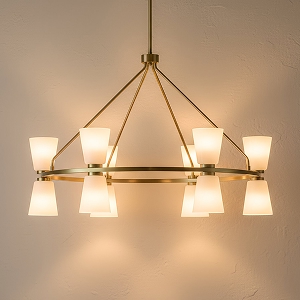
 Possini Chandeliers
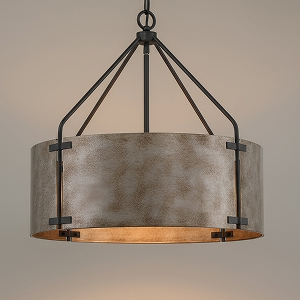 Drum Chandeliers
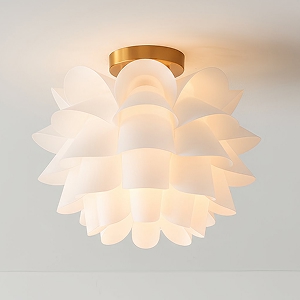 Semi Flush Chandeliers
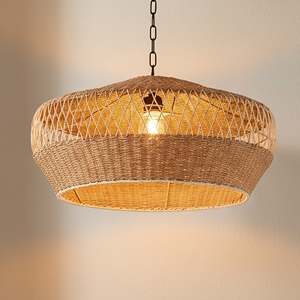 Rattan Chandeliers
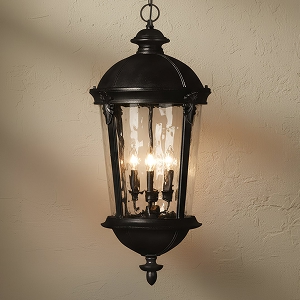 Outdoor Chandeliers
 Gold Chandeliers
 Bedroom
 Buffet
 USB
USB
 Tiffany
 Coastal
 Mid Century
 Fandeliers
 Casa Vieja
 Minka Aire
 Outdoor
 Caged
Caged
 Smart Fans
 Vanity Lights
 Bathroom Sets
 Plug In
 Brushed Nickel
 Gold
Gold
 Black
Black
 Soft Glow
 New Industrial
 Integrated LED
 Opal Glass
 Rattan & Wicker
 Wood Fans
Outdoor Lighting
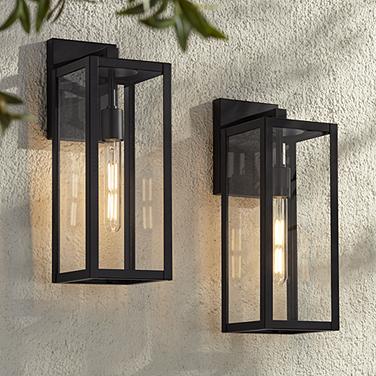
13,287 resultsWe offer Free Shipping* on all our outdoor lighting products. Our amazing exterior lighting fixtures add style, safety, and security to your home and yard.



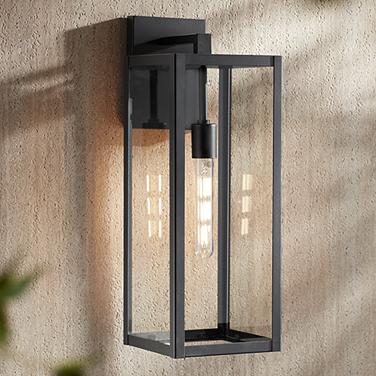
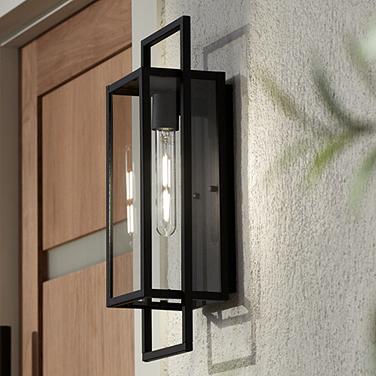
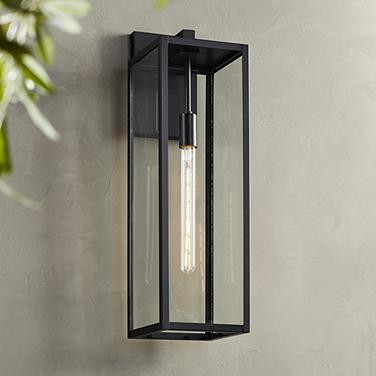
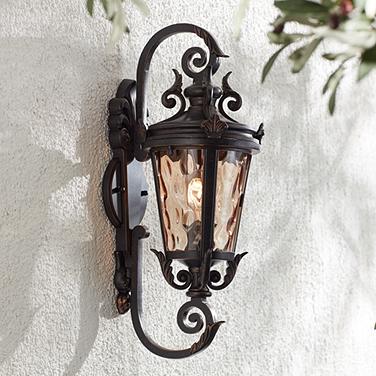
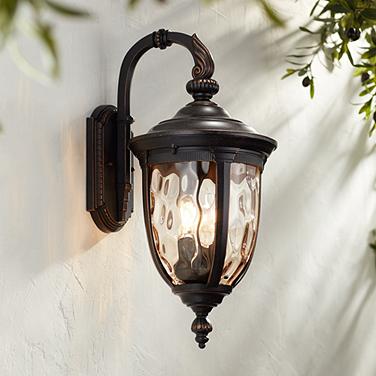
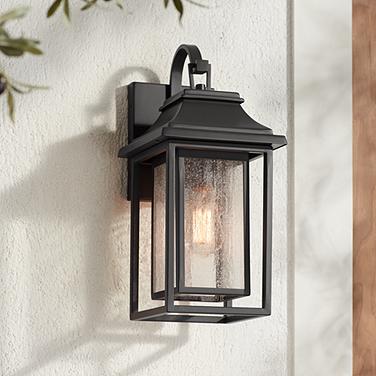
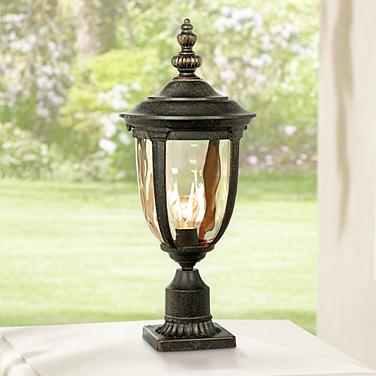


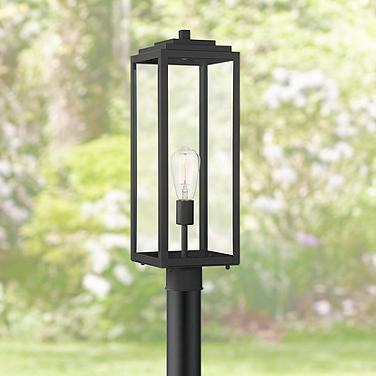







Looking for something specific?Search our site:
Your Complete Guide to Outdoor Lighting
With over fourteen thousand outdoor lighting designs — from wall lights and landscape lighting to post lights and solar options — Lamps Plus is the one-stop shop for all your exterior lighting needs. Our experts are here to help outfit your home and light up the night, with a variety of designs built for safety, security, and curb appeal.
What is Outdoor Lighting and Why Does It Matter?
Outdoor lighting is the catch-all term referring to the lights that illuminate the exterior spaces around your home. This includes exterior wall lights, hanging or ceiling lights for porches and patios, landscape lighting, pathway illumination, security lights, accent lighting, and other functional lighting options. In short, if it lights up an area outside the interior of your home, it's outdoor lighting.
The benefits of outdoor lighting go well beyond aesthetics. Well-designed outdoor lighting can contribute to an increase in your home's value, creating admiration in potential buyers. From a safety perspective, properly illuminated walkways and entry points can reduce nighttime accidents and mishaps. With the advent of LED lighting, outdoor lighting has become even more compelling — LED fixtures reduce electricity consumption, lower your utility bill, and are proven to last far longer than conventional options. Additionally, motion sensor outdoor lights work as a deterrent for burglars, providing security and peace of mind. Altogether, outdoor lighting is not merely an aesthetic consideration but a practical investment tied to your home's property value, safety, energy efficiency, and comfort.
The Different Types of Outdoor Lighting
What are Outdoor Wall Lights and When to Use Them?
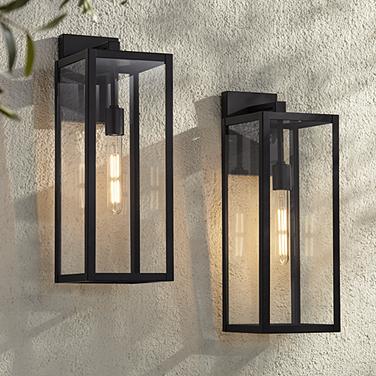
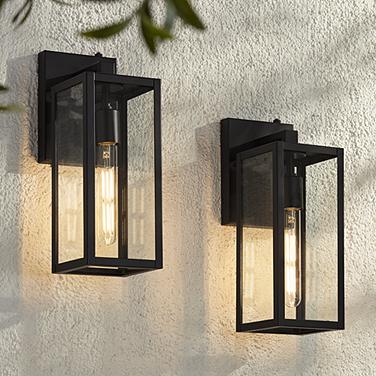
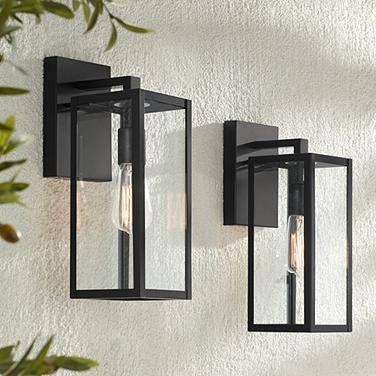
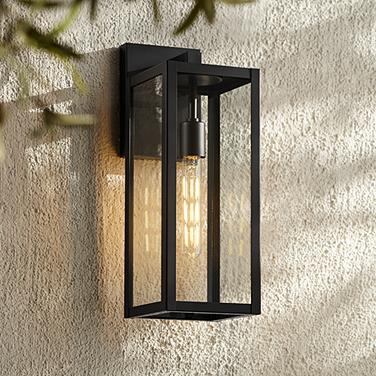
Outdoor wall lights are lights installed on an exterior wall — typically with a hardwire connection — designed for use outside your home. These can include wall sconces, wall lanterns, and other designs meant to illuminate entryways, porches, patios, walkways, and the wall space around a garage. Explore our full collection of outdoor wall lights to find the right style for your home.
In general, outdoor wall lighting should be installed 5½ to 6 feet above the ground, keeping the light source around eye level. Depending on brightness, outdoor wall lights are best spaced 8 to 10 feet apart, with more trafficked areas requiring a higher density of light. Modern and industrial-inspired styles dominate newer homes, while traditional and farmhouse designs remain popular on classic and country-style homes.
How Does Landscape Lighting Work?
Landscape lighting is designed to illuminate your yard and garden spaces rather than the exterior of your home. While most outdoor lighting is wired directly into your home's electrical system, landscape lighting operates through its own system — typically running through a shared junction box. It is available in both low voltage and line voltage systems. Low voltage landscape lighting is more energy efficient and can accommodate more lights on the same system, allowing multiple path lights, spotlights, and floor lights to operate together with easy controls and reduced energy costs.
Landscape lighting can be purchased as a complete kit or as individual units. Aside from the lights themselves, wire and a transformer are required to ensure everything works correctly. Different kinds of lights serve different purposes — from lighting up pathways to highlighting trees and garden features. No home with meaningful exterior spaces is complete without a landscape lighting system.
What are the Best Post Lights for Pathways and Driveways?
Browse our selection of outdoor post lights available in a variety of sizes, heights, and styles suited to different needs around your home. Post lights are ideal for flanking a walkway or driveway, lighting up the area to avoid accidents. For larger walkways or driveways, the light should be located 6 to 8 feet above the ground and produce 100 to 300 lumens — with the higher lumen output best for added security. Smaller bollard lights are great for garden walkways, producing mood lighting about 3 to 4 feet above the ground.
Pathway lighting is another option, usually included as part of your landscape lighting system. Outdoor pathway lights are lower to the ground — usually a foot or two high — and direct illumination downward to light up the path itself. When selecting post lights and driveway lights, look for designs rated for wet locations or marine grade if you live near the coast. There are also solar powered options with dusk-to-dawn features, which charge during the day and illuminate the night, though wired options deliver more reliable and consistent performance.
When Should You Use Flood Lights or Spotlights?
While they may seem similar, outdoor flood lights and spotlights serve distinct functions. Explore our selection of outdoor flood lights — classified under security lighting — capable of producing bright light over a wide area, typically around a garage, side yard, or backyard. Outdoor flood lights can include motion sensors, dusk-to-dawn photocells, or a combination of both.
- Dusk-to-dawn photocells turn the light on from around dusk to around dawn by detecting different levels of natural light.
- Motion sensors turn on the light when movement is detected within a certain range of the fixture.
- Most flood lights with motion sensors remain at a low light level until motion is detected, then activate to full brightness.
Outdoor spotlights, by contrast, function as part of your landscape lighting. These lights are designed to point up at certain features around your home and yard — such as trees, shrubs, or architectural details — to highlight beauty and draw attention to your home's best features.
What Are Smart Outdoor Lighting Systems?
Smart outdoor lighting systems connect to and are controlled by your smart devices — such as a smartphone, Alexa, or Google Home — via Wi-Fi. These systems allow you to operate your lights remotely, set customized schedules for different fixtures, monitor energy usage, and automate behavior based on time of day or sunset and sunrise. Unlike Bluetooth-controlled lights that require close proximity, smart outdoor lighting gives you complete flexibility from anywhere. Smart outdoor lighting is ideal for scheduling feature spotlights to come on later at night, or setting your driveway lights to turn on earlier and stay on longer.
Outdoor Hanging Lanterns and Porch Ceiling Lights
Our collection of outdoor hanging lanterns brings overhead ambient lighting to covered porches, pergolas, and patios. Available in traditional coach lantern styles as well as modern geometric designs, hanging lanterns are typically rated for damp locations and are ideal for covered outdoor spaces where you want warm, overhead illumination to complement your outdoor entertaining areas.
How to Choose the Right Outdoor Lighting Options
What Rating Do You Need for Outdoor Lights?
There are three ratings to keep in mind when selecting outdoor lighting — damp location rated, wet location rated, and marine grade. Dry location rated fixtures are for indoor use only and should never be used outdoors.
- Damp location rated outdoor lights are designed for indirect rain and weather and should be installed in covered outdoor areas, including outdoor hanging lights, outdoor ceiling lights, and some outdoor wall lights.
- Wet location rated designs can withstand direct rain and do not need to be located in a covered outdoor area. This includes landscape lighting, post lighting, and other outdoor wall lights.
- Marine grade is a special designation for outdoor lighting made from rust-resistant materials built for humid environments with saltwater exposure, such as coastal locations.
All marine grade lights are wet location rated, but not all wet location rated items are marine grade.
Which Materials Last Longest for Outdoor Lighting?
Outdoor lighting designs are built from a variety of materials ranging from lightweight options for covered use to heavy-duty weather-resistant materials for coastal environments. Metal alloys and composites are the most common. Brass outdoor lighting options are among the longest lasting and best-looking available, developing a beautiful patina over time. Powder-coated aluminum is lightweight and corrosion resistant. Stainless steel is ideal for coastal environments with saltwater exposure. Cast aluminum is one of the sturdiest options, constructed by pouring molten metal into a mold to create a solid, durable piece.
What Color Temperature is Best for Outdoor Lighting?
Outdoor lighting comes in a range of color temperatures measured in Kelvin. Warm white at around 2700K is best for residential ambiance and landscape lighting, creating a comfortable and welcoming feeling. Soft white at 3000K is a versatile option for a variety of applications around your home. Bright white at 4000K is the best choice for security and task lighting, ensuring everything in the lit area can be seen clearly. When selecting color temperature for LED outdoor lighting, keep in mind how you intend to use the fixture.
How Many Lumens Do You Need for Outdoor Lighting?
Lumen requirements vary depending on the type and use of your outdoor lights. Here's a simple outdoor lighting lumens guide:
- Pathway lights: 100–200 lumens each
- Wall lights: 400–600 lumens each for residential use
- Flood lights: 700–1,300+ lumens each for security
- Post lights: 200–400 lumens each
- Spotlights: 300–500 lumens each
When choosing the lumen output for your outdoor fixture, balance security and illumination needs with the goal of enhancing your home's beauty and curb appeal.
Best Practices for Outdoor Lighting
Outdoor Lighting and Layers of Light
Layers of light is a design strategy that combines different levels of outdoor lighting to create a balanced, beautiful atmosphere covering all your exterior needs. Start with ambient lighting — fixtures meant to provide overall illumination to a space, such as an overhead ceiling light or a hanging lantern. Next, focus on task lighting for areas requiring brighter, more focused light, such as an outdoor kitchen. Then add accent lighting to highlight architectural features or interesting landscape elements like trees and shrubs. Finally, incorporate safety lighting — wall lights near doors, path lights illuminating where you step, and landscape lighting around garden areas.
What are the Best Placement Strategies for Outdoor Lights?
Outdoor lighting placement differs depending on the type of light and the needs of your home. Outdoor wall lights should be installed roughly 5.5 to 6.5 feet above the ground for greater illumination and are typically found on either side of doors or entrances. Pathway lighting should be spaced around 6 to 8 feet apart, allowing you to see where you step without being overly bright. Uplighting used for trees or architectural features should be placed at a distance equal to half the lighted feature's height. For downlighting, fixtures should be installed 8 to 10 feet over their intended target for greater coverage. Every home is different, and these guidelines are meant to give you a strong starting point.
How to Avoid Light Pollution
Light pollution is the human-made alteration of natural outdoor light levels and is environmentally damaging to nocturnal wildlife. Dark Sky friendly fixtures are a simple way to help — these designs direct light downward or are shielded to keep illumination contained in a specific area. Setting your outdoor lights on timers, limiting their use, and choosing warmer color tones also makes a difference. While cooler blue tones have been shown to reduce stress, red light is the best for nighttime use as it allows your eyes to adjust to the dark while keeping things visible.
Energy Efficiency and Smart Controls
How Much Can LED Outdoor Lighting Save You?
Shop our selection of LED outdoor lighting and save on energy costs by reducing the amount of electricity needed to illuminate your spaces. On average, LED outdoor lighting uses 75% less energy than traditional incandescent bulbs. LED lights also last significantly longer, with some designs rated for up to 50,000 lifetime hours compared to just 1,200 hours for older incandescent bulbs. Modern LEDs can produce warm, comforting light perfectly suited for outdoor use, making them both the most efficient and most versatile option available.
What are Dusk-to-Dawn Outdoor Lights?
Dusk-to-dawn outdoor lighting includes a built-in photocell that detects natural, ambient light. When the sun sets — or natural light is lowered by overcast weather — the photocell turns the light on. When the sun rises, it detects the increase in light and turns the light off automatically. This sort of automatic outdoor light is popular because it requires no monitoring. Simply flip the switch and the photocell does the rest. Dusk-to-dawn and photocell outdoor lights are commonly used for security lights and any area where you want the light to always be on throughout the night.
When to Use Motion Sensor Outdoor Lighting
Browse our collection of motion sensor outdoor lights — fixtures that include a sensor detecting motion within a certain range. These motion-activated lights typically remain at around 25% brightness and then turn to 100% brightness when motion is detected. They include a switch to set a delay timer, controlling how long the light remains at full brightness after motion is detected. Motion sensor outdoor lighting is most commonly used for security lights and flood lights as a deterrent during the night.
Solar Lights vs. Wired Fixtures
Our solar powered outdoor lighting saves on energy costs by only requiring exposure to the sun to charge — no electricity required. Since they don't require a wired connection, solar lights can be placed anywhere in your outdoor space with no installation. Wired outdoor lights typically cost more to purchase and require installation, but they deliver superior, reliable performance throughout the night without ever running out of charge. Solar lights excel at supplementary pathway lighting, garden accents, and decorative applications. Wired fixtures remain essential for primary lighting, security lighting, and reliable brightness in high-traffic areas.
Installation and Maintenance
Can You Install Outdoor Lighting Yourself?
Outdoor lighting installation varies from fixture to fixture. Battery-operated designs, solar powered lights, plug-in landscape lighting, and low voltage options can usually be installed without a professional. However, hardwired fixtures such as wall lights, post lights, and hanging lights require professional outdoor lighting installation. If you are ever in doubt about installing outdoor lighting yourself, always consult with a licensed electrician in your area.
How to Maintain Your Outdoor Lighting
Outdoor lighting maintenance ensures that your fixtures remain in good condition, providing light, safety, and security while enhancing your home's curb appeal. The method and schedule for cleaning your fixtures depends on the construction material. Metals like steel and aluminum require occasional washing with soap and water. Use specialized polishes for brass and copper designs to maintain the patina and prevent corrosion. Glass and plastic shades and lenses can be cleaned with non-abrasive cleaners such as a microfiber cloth. Replacing bulbs is also an easy maintenance step, and keeping a spare bulb or two on hand ensures you're never without light. For landscape lighting systems or more complex setups, having an electrician inspect them roughly once a year is also recommended.
What is Low Voltage Landscape Lighting?
Shop our selection of low voltage landscape lighting — systems that operate using 12 volts rather than the standard 120 volts, connected to your home's electrical network through a landscape lighting transformer. This offers safety benefits by eliminating shock hazards and allowing DIY installation without the need for a professional electrician. Transformers have a minimum wattage rating, and due to fluctuations, you should only load a transformer to about 80% of its capacity. Wire gauge requirements depend on the distance of your landscape lights from their transformer — 12-gauge wire can handle up to 100 feet, 10-gauge up to 150 feet, and 8-gauge for 200 feet or more. Keep in mind voltage drop when planning your system, as wire resistance reduces the voltage delivered to each light the farther it is from the transformer.
Outdoor Lighting Styles and Trends
What are the Top Outdoor Lighting Trends?
The hottest outdoor lighting trend is smart home integration — connecting to your smartphone and smart home devices to set schedules and customize your lighting. Warm color temperatures (3000K or lower) continue to dominate outdoor lighting design, with the exception of security lighting. Solar powered fixtures and sustainable materials are also becoming more popular, as homeowners seek designs built to last and operate independently from their electric bill. Color-changing LED lights add a fun accent to landscape and garden areas, helping set the mood for gatherings and parties. Dark Sky friendly designs that reduce light pollution are also gaining traction.
What Styles of Outdoor Lighting Are Available?
Outdoor lighting comes in a wide variety of designs to suit all aesthetics. Modern outdoor lighting prioritizes clean geometric shapes with bold lines and minimalist profiles. Black and nickel finishes are the most common, with many new designs utilizing integrated LED modules. Traditional lights resemble lanterns, with elegant scrollwork and ornate details in blacks and bronzes. Transitional style lights bridge the gap between these two, offering a timeless style that fits any home. Browse our farmhouse outdoor lights for a rustic, approachable look that has become one of the most popular styles for modern homesteads. Coastal outdoor lighting is both a style and a rating — designed to withstand corrosion while evoking the nautical character found on ships and fishing vessels.
Outdoor Lighting for Specific Applications
What is the Best Outdoor Lighting for Security?
Outdoor security lighting is an essential feature for any home. All outdoor lighting can contribute to your home's security by illuminating the areas around your property. When it comes to dedicated security lighting, motion sensor flood lights are the most efficient and popular choice — commonly placed outside garages or in backyards. These designs turn on at dusk at around 25% brightness and jump to 100% brightness when motion is detected within the sensor's range, creating a simple but effective deterrent. Post lights near the street and wall lights near entries also lend a feeling of safety to your neighbors and reduce the chance of accidents after dark.
How Do You Light an Outdoor Kitchen or Patio?
To enjoy the outdoors after dark on your patio or prepare meals in your outdoor kitchen, layered lighting is highly recommended. For cooking and food preparation, task lighting with higher lumens and a brighter white light ensures everything can be seen clearly, helping avoid mistakes. For outdoor dining, more general ambient light in warm tones with a lower lumen count creates a beautiful atmosphere to enjoy friends, family, and good food. Browse our collection of outdoor hanging lanterns for a stylish overhead lighting solution that works beautifully in covered patio and pergola settings.
What is the Best Outdoor Lighting for Curb Appeal?
To maximize your home's curb appeal with outdoor lighting, follow the principle of layers of light — different lights for different purposes, highlighting different aspects of your home. Wall lights frame your entrances, highlighting the welcoming way in with added style. Landscape lighting creates dozens of small focal points, lending an air of mystery and beauty to the night. Post lights or pier mount lights are best placed where your home meets the sidewalk, creating a gateway to your space. Pair them with pathway lights leading up to your front door to gently guide guests to the entrance. No home is complete without thoughtful outdoor lighting.
Frequently Asked Questions
What are the different types of outdoor lighting fixtures available?
Outdoor lighting fixtures fall into several main categories. Wall lights, such as sconces and lanterns, mount directly to exterior walls near entries, garages, and patios. Post lights stand on pillars along pathways and driveways, typically 6–8 feet tall. Landscape lights include path lights, spotlights, and well lights for illuminating gardens and architectural features. Flood lights provide broad, intense illumination for security and large areas. Hanging lights suspend from porch ceilings and pergolas. Step lights are installed into stairs and decks for safety. String lights create an ambient atmosphere for patios and outdoor entertaining spaces. Each type serves specific purposes for safety, security, or aesthetic enhancement.
How do I choose the right outdoor lighting for my home?
Choosing outdoor lighting depends on five key factors. First, identify the purpose: security, ambiance, safety, or curb appeal. Second, consider your home's architectural style — modern homes pair well with clean-lined fixtures, while lanterns and classical designs suit traditional homes. Third, determine the required brightness in lumens: pathway lights need 100–200 lumens, wall lights 400–600 lumens, and security floods 700–1,300+ lumens. Fourth, select materials appropriate for your climate. Fifth, verify that the fixture carries proper IP ratings (IP65 or higher) for weather resistance and certifications like UL Listed or ETL Listed for safety compliance.
What's the difference between LED, solar, and traditional outdoor lighting?
LED outdoor lighting uses solid-state technology consuming 75% less energy than incandescent bulbs and lasting tens of thousands of hours. Solar outdoor lighting uses photovoltaic panels to charge batteries during the day, requiring no wiring but offering more limited brightness and sun-dependent performance. Traditional incandescent or halogen lighting offers the lowest upfront cost but the highest operating expenses and shortest lifespan. For most applications, LED provides the best combination of performance, longevity, and energy efficiency, with solar excelling in decorative pathway applications where moderate brightness suffices.
What IP rating should outdoor lighting have?
The Ingress Protection (IP) rating indicates how well a fixture resists water and dust intrusion. IP65 is the minimum recommended rating for most exposed outdoor locations, offering complete dust protection and resistance to water jets from any direction. IP66 is ideal for coastal environments. IP67 suits low-lying areas prone to flooding. IP68 protects during continuous submersion for underwater and in-ground applications. Always choose fixtures with ratings appropriate for their specific installation location and level of weather exposure.
How many lumens do I need for outdoor lighting?
Pathway lights typically need 100–200 lumens per fixture spaced 6–8 feet apart for safe navigation. Porch and entry wall lights should provide 400–600 lumens to adequately illuminate doorways. Post lights for driveways work best at 200–400 lumens. Security flood lights require 700–1,300 lumens to illuminate large areas effectively. Accent spotlights need 300–500 lumens. Step lights require only 50–100 lumens per step since they are numerous and positioned low. Consider dimmable fixtures for maximum flexibility across different uses and times of day.
Can I install outdoor lighting myself, or do I need an electrician?
DIY installation is feasible for low-voltage landscape lighting systems, solar-powered fixtures, and plug-in options. However, line-voltage installations (120v) — including wall-mounted fixtures and any installation involving junction boxes or circuit breakers — require a licensed electrician in most jurisdictions. Professional installation typically costs $200–500 per fixture including materials and labor, while DIY low-voltage systems can reduce costs by 60–70% if you are comfortable with basic electrical work and follow manufacturer guidelines carefully.
What is low voltage landscape lighting and how does it work?
Low voltage landscape lighting operates at 12 volts through a transformer connected to a standard outdoor outlet, significantly reducing shock risk and enabling DIY installation. Wire runs from the transformer to each fixture in a daisy-chain configuration. Use 12-gauge wire for runs up to 100 feet and 10-gauge for longer distances. A 300-watt transformer can power approximately 20–25 LED landscape lights. Low voltage systems offer easier installation, reduced electrical code restrictions, lower operating costs, and safer operation compared to line-voltage alternatives.
How do dusk-to-dawn outdoor lights work?
Dusk-to-dawn lights incorporate photocell sensors that detect ambient light levels and automatically switch the fixture on at sunset and off at sunrise. The photocell contains a light-sensitive resistor — high resistance in daylight keeps the light off, while low resistance at night allows current to flow. Most fixtures include adjustable sensitivity settings. These lights typically consume 0.5–2 watts in standby mode during daylight and can reduce energy costs by 10–30% compared to lights left on continuously. Quality photocells last 5–10 years before requiring replacement.
How do I prevent voltage drop in low voltage outdoor lighting?
Voltage drop causes fixtures farthest from the transformer to appear dimmer. Use appropriately sized wire — 12-gauge for runs up to 100 feet, 10-gauge for 100–150 feet, and 8-gauge beyond 150 feet. Create hub systems rather than daisy-chaining fixtures in one long line. Limit total wattage to 80% of transformer capacity. Place higher-wattage fixtures closer to the transformer and lower-wattage fixtures farther away. Maximum voltage drop should not exceed 10% — approximately 1.2 volts in a 12V system — for consistent performance across all fixtures.
Do outdoor lights need to be on a GFCI circuit?
Yes, the National Electrical Code (NEC) requires all outdoor receptacles and most outdoor lighting to be GFCI (Ground Fault Circuit Interrupter) protected. GFCI protection is mandatory for 120-volt outdoor lighting installations within 6.5 feet of grade level. Low-voltage landscape lighting systems that plug into an outdoor outlet receive GFCI protection through the outlet itself. GFCI devices detect current imbalances and shut off power within milliseconds, preventing potentially fatal electrical shocks — especially critical outdoors where moisture creates higher shock risk.
How long do outdoor LED lights last?
Quality outdoor LED lights typically last 50,000 to 100,000 hours — equivalent to 17–34 years at 8 hours per night. This dramatically exceeds incandescent bulbs (1,200 hours) and CFL bulbs (8,000 hours). Actual lifespan depends on operating temperature, power supply quality, fixture heat dissipation, and usage patterns. LEDs don't typically burn out suddenly but gradually dim over time. Industry standard defines LED lifespan as the point when light output reduces to 70% of original brightness (L70 rating). Premium outdoor LED fixtures from reputable manufacturers often include 5–10 year warranties.
How do I clean and maintain outdoor lighting fixtures?
Every 3–4 months, wipe lenses with a soft microfiber cloth and mild soap solution — dirty lenses can reduce light output by 30–50%. Inspect and clean photocell sensors on dusk-to-dawn fixtures to prevent premature activation. Check wire connections for corrosion, especially in coastal environments, and apply dielectric grease to protect connections. Annually, inspect gaskets and seals for cracking, check mounting hardware for rust or looseness, and verify ground stakes remain stable. For brass fixtures, use brass polish or allow natural patina to develop. Always turn off power before any maintenance work.
Why are my outdoor lights flickering or dim?
In low-voltage systems, voltage drop from excessive wire length or undersized wire gauge causes dimming at the farthest fixtures — upgrade to heavier gauge wire or add additional home runs to solve this. Loose wire connections create resistance and flickering; inspect and tighten all connections. Incompatible dimmers can cause LED flickering — use LED-compatible dimmers rated for low wattage loads. Failing or overloaded transformers produce inconsistent voltage output. Moisture intrusion from failed gaskets damages LEDs and creates flickering. For line-voltage fixtures, flickering may indicate loose connections at the fixture, switch, or breaker that require immediate attention.
What color temperature is best for outdoor lighting?
Warm white (2700–3000K) produces a soft, yellow-orange glow ideal for residential entries, patios, and landscape accent lighting — the most popular choice for homes. Neutral white (3500–4100K) offers balanced light suitable for outdoor kitchens and functional task areas. Cool white (5000–6500K) is preferred for security lighting and commercial applications where maximum visibility outweighs aesthetics. For cohesive design, maintain consistent color temperature across visible areas. Avoid daylight (6500K) for residential applications as the harsh blue tone creates uninviting atmospheres. Warm white (2700–3000K) is the industry recommendation for most residential outdoor use.
How can outdoor lighting increase my home's value?
Real estate studies indicate quality outdoor lighting systems increase home values by 7–20%, with the national median suggesting approximately 14% return on investment. Curb appeal enhancement is the primary driver, as well-lit architectural features, landscaping, and pathways create memorable first impressions. Safety improvements reduce liability concerns. Extended usable outdoor space adds functional square footage. Energy-efficient LED systems and smart lighting integration appeal to eco-conscious and tech-savvy buyers. For maximum ROI, focus lighting budgets on front facades, entryways, and high-visibility areas.
How do I design outdoor lighting for maximum curb appeal?
Follow a three-layer approach. First, establish safety lighting for walkways and entries using path lights (100–200 lumens) spaced 6–8 feet apart, plus entry wall lights (400–600 lumens) flanking front doors. Second, add architectural highlighting using adjustable spotlights positioned 6–12 inches from walls at 30–45 degree angles to emphasize texture. Third, incorporate landscape accents spotlighting specimen trees and garden focal points with narrow-beam spotlights (300–500 lumens). Use warm white (2700–3000K) consistently throughout for a cohesive appearance. Install dimmers for versatility between welcoming evening ambiance and bright security lighting.
Should outdoor lighting match my home's architectural style?
Yes, coordinating outdoor lighting with architectural style creates cohesive, intentional design. Modern homes pair well with sleek wall sconces, cylinder lights, and fixtures in matte black or brushed nickel. Traditional homes benefit from lanterns with decorative scrollwork in oil-rubbed bronze or aged brass. Craftsman homes suit fixtures with simple geometric patterns and warm metallic finishes. Colonial homes harmonize with carriage lanterns and symmetrical placement. Transitional fixtures offer flexibility for homes with mixed styles. Consider finish consistency — if door hardware is oil-rubbed bronze, outdoor lighting should match. Scale also matters: oversized fixtures overwhelm small porches, while undersized fixtures disappear on large facades.
What are smart outdoor lights and how do they work?
Smart outdoor lights connect to wireless networks allowing remote control, automation, and integration with smart home systems through smartphone apps or voice assistants such as Alexa, Google Home, or Apple HomeKit. Connection methods include Wi-Fi, Bluetooth, Zigbee, or proprietary systems. Features typically include on/off control from anywhere, brightness dimming, scheduling, color changing with RGB LEDs, grouping multiple fixtures for simultaneous control, integration with security systems, and voice control. Smart outdoor lights range from around $30 per fixture for basic control to $80–200+ for sophisticated color-changing and full automation systems.
Are motion sensor outdoor lights worth it?
Motion sensor outdoor lights provide significant benefits justifying their 20–40% price premium. Studies show motion-activated lighting reduces property crime by 15–30%. Energy savings typically reach 30–50% compared to dusk-to-dawn lights by operating only when needed. Modern sensors offer customizable detection range (10–70 feet), sensitivity tuning to ignore small animals, delay timers (30 seconds to 10 minutes), and ambient light detection to prevent daytime activation. For best results, install motion sensors at entry points, garage areas, and along property perimeters while using standard fixtures for continuous ambiance lighting in entertainment areas.
Can I control outdoor lighting with my phone?
Yes, multiple technologies enable smartphone control of outdoor lighting. Retrofit smart bulbs ($15–40 each) connect via Wi-Fi or Bluetooth to manufacturer apps. Smart switches and plugs ($20–60 each) control existing fixtures by replacing wall switches or inserting between outlet and plug. Complete smart fixtures ($50–200+ each) integrate control hardware directly into the lighting fixture. Features across solutions include scheduling, geofencing that activates lights when your phone enters the property perimeter, integration with doorbell cameras and security systems, vacation modes simulating occupancy patterns, and energy monitoring showing usage and costs.