

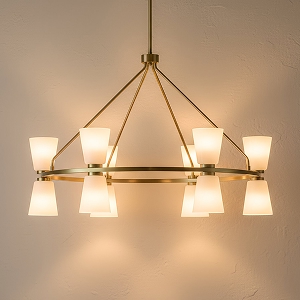
 Possini Chandeliers
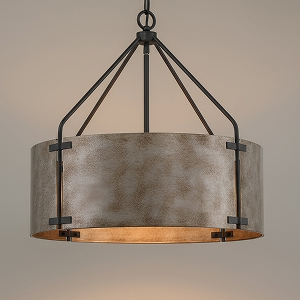 Drum Chandeliers
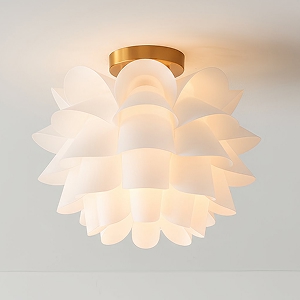 Semi Flush Chandeliers
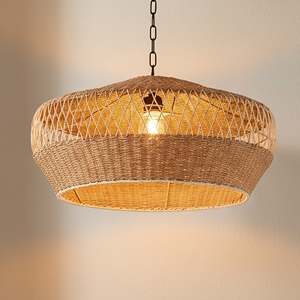 Rattan Chandeliers
 Outdoor Chandeliers
 Gold Chandeliers
 Bedroom
 Buffet
 USB
USB
 Tiffany
 Coastal
 Mid Century
 Fandeliers
 Casa Vieja
 Minka Aire
 Outdoor
 Caged
Caged
 Smart Fans
 Vanity Lights
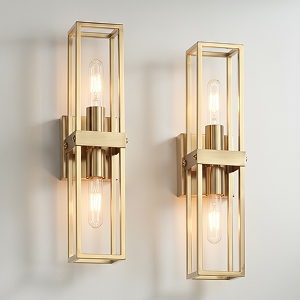 Bathroom Sets
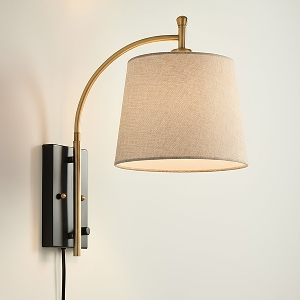 Plug In
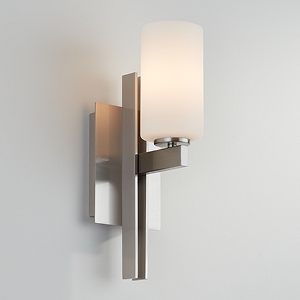 Brushed Nickel
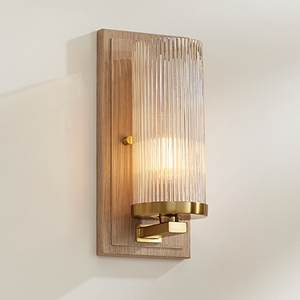 Gold
Gold
 Black
Black
 Soft Glow
 New Industrial
 Integrated LED
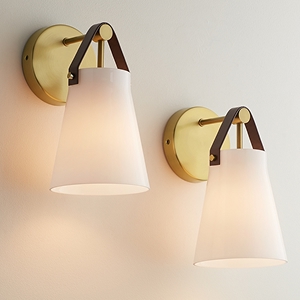 Opal Glass
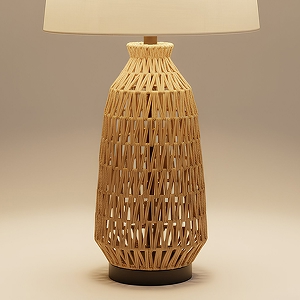 Rattan & Wicker
 Wood Fans

Coastal Wall Sconces & Beach House Lighting
128 results


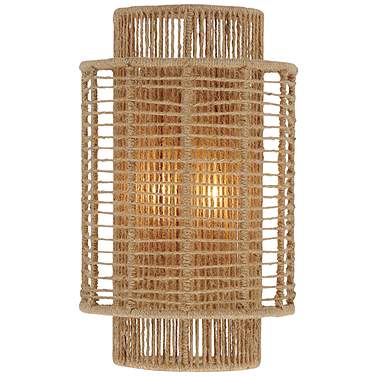
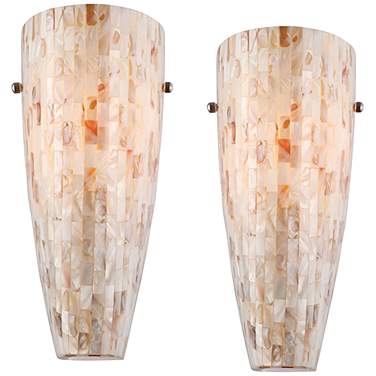


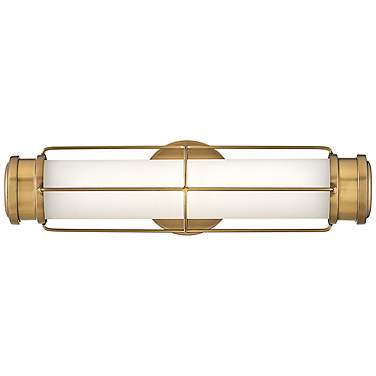


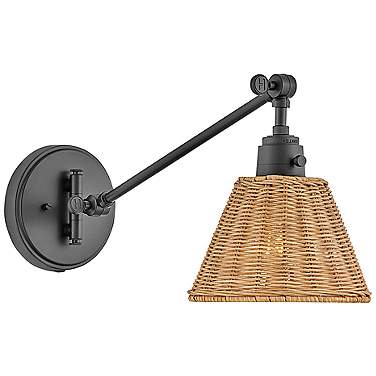

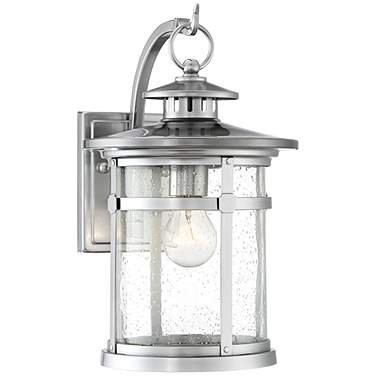


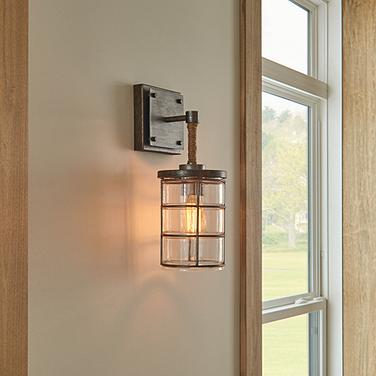


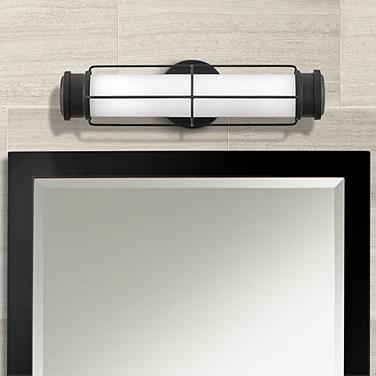
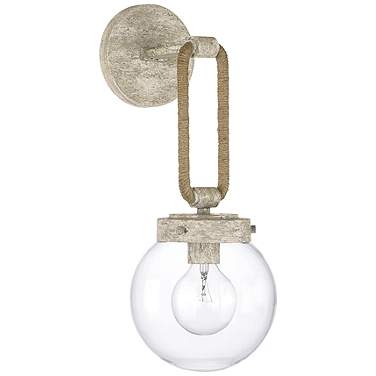


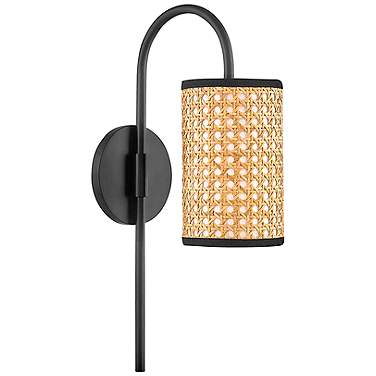


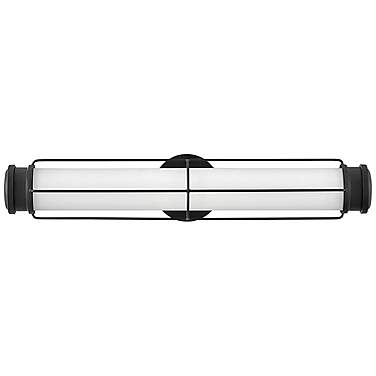
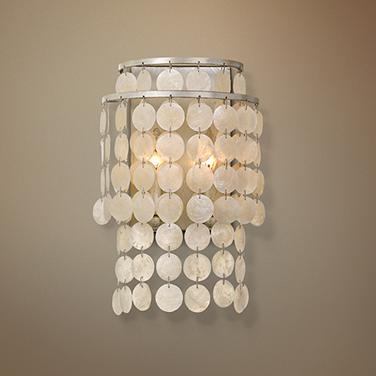

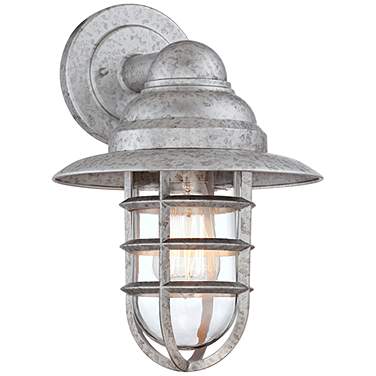


Looking for something specific?Search our site:
Find the Perfect Coastal Sconces for Your Home
Transform your living spaces into seaside retreats with coastal style wall sconces that capture the relaxed elegance of beach house living. Whether you're outfitting a waterfront property, creating a coastal-inspired bedroom, or adding a touch of nautical charm to your bathroom, the right wall sconce brings warmth, style, and the unmistakable feeling of life by the shore. Coastal sconces are more than just decorative accents—they're functional lighting fixtures that blend natural materials, soothing colors, and organic textures to create a calm, welcoming atmosphere. From rattan-wrapped designs to mother of pearl mosaics, these coastal wall lights celebrate the beauty of the natural world while providing the illumination your home needs.
What Defines Coastal Style Sconces
Coastal style sconces are characterized by their evocation of shorelines and waterways, using materials and finishes that bring natural charm into your home. Unlike other decorative styles that rely on color or pattern, coastal style lighting draws its identity from materials, textures, and organic forms that evoke the serenity of beach living.
The defining features of coastal sconces include natural materials such as rattan, wicker, rope, and sea grass; light and neutral color palettes featuring whites, creams, sandy beiges, and soft blues; organic shapes inspired by seashells, coral, waves, and driftwood; weathered finishes like aged brass, brushed nickel, and distressed wood; and textural elements that add visual interest and tactile appeal.
Coastal lighting works beautifully in any home where you want to create a relaxed, airy atmosphere. The style pairs naturally with farmhouse decor, blends seamlessly with bohemian aesthetics, and can add warmth to modern minimalist spaces. Its versatility comes from a foundation in timeless natural elements rather than trendy design choices. Browse our full coastal sconce collection to explore the range of styles available.
Popular Coastal Sconce Materials
The materials used in coastal sconces are central to their character and appeal. Understanding these materials helps you select fixtures that will complement your decor and stand the test of time.
Rattan and Wicker
These woven natural fibers create texture and warmth while maintaining a light, airy feel. Rattan sconces often feature drum or bell-shaped shades that diffuse light softly, perfect for bedrooms and living areas. The natural variations in rattan weaving ensure each fixture has unique character.
Rope and Jute
Nautical rope accents bring maritime heritage to wall lighting. From fixtures wrapped entirely in hemp or jute to sconces with subtle rope trim details, these materials evoke the craftsmanship of sailing vessels and coastal trades. Rope sconces pair particularly well with maritime or nautical decor themes.
Sea Grass and Natural Fibers
Sea grass shades and accents add organic texture while maintaining the light, breezy quality coastal design is known for. These materials bring an earthy, grounded feel to fixtures and complement both casual and refined coastal interiors.
Mother of Pearl and Shell
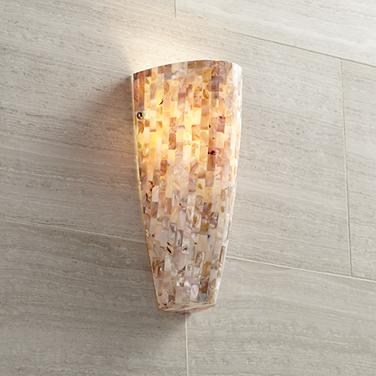
For a touch of coastal luxury, mother of pearl mosaic sconces capture and reflect light beautifully, creating a subtle shimmer that recalls sunlight dancing on water. Shell-adorned fixtures bring the beach directly into your home, making them ideal accent pieces in bathrooms, entryways, or powder rooms.
Driftwood and Weathered Wood
Wood elements with weathered, bleached, or distressed finishes bring the timeworn beauty of beachcombing finds into lighting design. These materials add sculptural interest and organic warmth to coastal sconces.
Glass and Metal
Clear seedy glass, frosted glass, and metal finishes like aged brass, brushed nickel, and matte black provide the framework for many coastal sconces. These materials offer durability while complementing the natural materials that define the coastal aesthetic. Explore our selection of blue coastal sconces for fixtures that bring soft ocean tones into the mix.
Coastal Sconces by Room
Selecting the right coastal sconce depends significantly on where it will be installed. Different rooms have different lighting needs, and understanding these requirements helps you choose fixtures that are both beautiful and functional.
Bathroom and Vanity
Coastal bathroom sconces should provide adequate task lighting for grooming while establishing a spa-like atmosphere. Look for fixtures rated for damp locations if installing near showers or tubs. Mother of pearl mosaics, glass shades, and chrome or nickel finishes work particularly well in bathrooms, where they resist moisture while reflecting light effectively. Mount vanity sconces approximately 66 inches from the floor, flanking the mirror for even, flattering light. Browse our coastal bathroom lighting and bathroom wall sconces for the full range of options.
Bedroom
In bedroom settings, coastal sconces serve as both ambient lighting and bedside reading lights. Swing-arm coastal sconces offer adjustability for reading, while fixed sconces flanking a headboard create symmetry and soft ambiance. Rattan, wicker, and fabric-shaded sconces are popular bedroom choices, as they produce warm, diffused light conducive to relaxation. Consider sconces with dimmers to control brightness as you transition from evening activities to sleep.
Living Room and Family Room
Coastal living room sconces contribute to layered lighting schemes, complementing overhead fixtures, floor lamps, or table lamps. Position sconces to highlight artwork, architectural features, or to provide ambient lighting in seating areas. Larger sconces with statement materials like driftwood accents or substantial rattan shades can serve as focal points, while simpler designs provide subtle support lighting. Complement your sconce choice with coastal table lamps for a fully layered look.
Entryway and Hallway
First impressions matter, and coastal sconces in entryways establish your home's style from the moment guests arrive. Choose fixtures that provide welcoming light while showcasing coastal materials. In hallways, sconces offer practical illumination without the need for overhead fixtures that can make narrow spaces feel lower. Space sconces every 8 to 10 feet for consistent lighting.
Outdoor Covered Areas
For covered porches, patios, and outdoor living spaces, select damp-rated coastal sconces that can withstand humidity and indirect moisture. Outdoor coastal sconces extend your indoor design aesthetic to exterior living areas, creating seamless transitions between spaces. Marine-grade finishes are essential for truly coastal locations where salt air is present.
Styling and Design Tips for Coastal Sconces
Successfully incorporating coastal sconces into your home involves more than selecting attractive fixtures. It also requires thoughtful placement and coordination with your overall design scheme.
Creating Cohesion
When using multiple coastal wall sconces throughout a space or home, aim for cohesion rather than exact matching. Fixtures from the same material family—for example, all rattan or all with brass accents—create a unified look while allowing for variety in size and shape. This approach is more visually interesting than using identical fixtures everywhere.
Layering Light
Coastal sconces work best as part of a layered lighting plan. Combine them with overhead fixtures like coastal chandeliers or flush mounts, floor lamps, and natural light to create spaces that can be illuminated appropriately for any activity or time of day. Wall sconces typically provide ambient or accent lighting rather than primary task lighting.
Pairing with Complementary Styles
Coastal sconces blend naturally with several design aesthetics. Pair them with farmhouse furniture for relaxed country-by-the-sea charm, bohemian textiles for eclectic coastal style, transitional pieces for sophisticated beach house elegance, or modern minimalist elements for contemporary coastal design. The key is selecting fixtures that share at least one element with your existing decor.
Scale and Proportion
Select sconces sized appropriately for their installation location. A small sconce will be lost on a large wall, while an oversized fixture can overwhelm a narrow hallway. For flanking applications like beside mirrors or beds, ensure both sconces are identical in size for visual balance.
Coastal Sconce Finishes and Colors
The finish of your coastal sconces significantly impacts the overall aesthetic. Understanding finish options helps you coordinate lighting with other hardware and fixtures throughout your home.
Brass and Gold Tones
Aged brass, antique brass, and gold finishes bring warmth and a touch of elegance to coastal lighting. These finishes pair beautifully with natural rattan and wicker, creating fixtures that feel both relaxed and refined. Brass also complements the golden tones found in sand and sunlight.
Nickel and Chrome
Brushed nickel and polished chrome offer cooler metallic options that work well in bathrooms and modern coastal spaces. These finishes evoke the silvery quality of water and pair effectively with white, gray, and blue color schemes.
White and Natural
Matte white, textured white, and natural wood finishes are quintessentially coastal. White sconces create an airy, beachy feel and work in virtually any room. Natural wood tones and wicker colors bring organic warmth while maintaining the light, casual atmosphere coastal design is known for.
Black and Bronze
Matte black and oil-rubbed bronze provide grounding contrast in coastal spaces. These darker finishes work particularly well in modern coastal and coastal industrial designs, adding definition without departing from the overall aesthetic. Black fixtures can also evoke wrought iron maritime hardware.
Installing Coastal Wall Sconces
Proper installation ensures your coastal sconces provide optimal lighting while looking their best. While hardwired fixtures typically require professional installation, understanding placement guidelines helps you plan your lighting layout effectively.
Standard Mounting Height
For general applications, mount wall sconces so the center of the fixture is between 60 and 66 inches from the floor, approximately eye level. This height provides good light distribution without creating glare. In rooms with higher ceilings, you may raise fixtures slightly while maintaining proportional placement.
Bathroom Vanity Placement
When flanking a bathroom mirror, position sconces at 60 to 65 inches from the floor, measured to the center of the fixture. Place sconces approximately 6 to 12 inches from the edge of the mirror for balanced lighting that minimizes shadows. Browse our coastal bathroom sconces to find the right fixture for your vanity.
Bedroom Bedside Placement
For bedside reading sconces, mount fixtures approximately 4 to 6 inches above the top of the headboard and 8 to 10 inches from either side of the bed. Swing-arm or adjustable sconces are particularly practical in this application, allowing light direction to be customized for reading.
Spacing Multiple Sconces
When installing multiple sconces along a hallway or wall, space fixtures every 8 to 10 feet for consistent illumination. The actual spacing depends on the light output of your chosen fixtures—brighter sconces can be spaced farther apart. For professional installation, licensed electricians ensure proper wiring, secure mounting, and code compliance. If you'd prefer a DIY-friendly option, explore our plug-in wall sconces for easy, no-wire installation.
Frequently Asked Questions
What is the difference between coastal and nautical sconces?
Coastal and nautical styles share beach-inspired aesthetics but have distinct characteristics. Coastal sconces emphasize natural materials like rattan, wicker, rope, and organic textures with a relaxed, airy feel and soft color palettes of whites, creams, and sandy neutrals. Nautical sconces draw more specifically from maritime and sailing themes, featuring ship-inspired elements like porthole shapes, lantern designs, anchor motifs, and hardware reminiscent of boats and docks. Nautical designs often incorporate more metal, particularly brass and aged bronze, with bolder blue and white color combinations. Many fixtures blend both styles, allowing them to work in either coastal or nautical decor schemes.
Can I use coastal sconces in a bathroom?
Yes, coastal sconces are excellent choices for bathrooms and are increasingly popular for creating spa-like retreats. When selecting bathroom sconces, verify the fixture is rated for damp locations if installing near showers or tubs, or wet locations for fully exposed areas. Mother of pearl, glass, chrome, nickel, and marine-grade brass finishes perform particularly well in humid bathroom environments. Position vanity sconces at approximately 65 to 66 inches from the floor, flanking the mirror for even, flattering light that eliminates shadows during grooming tasks.
What materials are best for coastal sconces in humid climates?
In humid coastal climates or locations with high moisture exposure, select materials designed to withstand these conditions. Marine-grade metals including stainless steel, solid brass, and powder-coated aluminum resist corrosion from salt air and humidity. Glass shades, particularly seedy or frosted glass, maintain their appearance in moisture-rich environments. Natural materials like rattan and sea grass are typically better suited for interior applications or covered outdoor areas, as prolonged exposure to moisture can cause deterioration. For exterior coastal locations, look specifically for fixtures labeled marine-grade or designed for wet locations.
How high should I mount coastal wall sconces?
Standard wall sconce mounting height places the center of the fixture between 60 and 66 inches from the floor, which is approximately eye level for most adults. This height provides optimal light distribution and avoids glare. For bathroom vanity sconces flanking a mirror, maintain 65 to 66 inches from floor to fixture center. Bedside reading sconces should be mounted 4 to 6 inches above the headboard. In rooms with ceilings higher than standard 8 feet, you may raise fixtures proportionally while maintaining visual balance with furniture and architectural features.
Do coastal sconces work with modern decor?
Coastal sconces blend beautifully with modern and contemporary interiors when selected thoughtfully. Look for coastal fixtures featuring clean lines, geometric shapes, and minimal ornamentation that echo modern design principles while incorporating coastal materials. Natural textures like rattan and woven fibers add warmth to minimalist spaces without conflicting with modern aesthetics. Finishes like matte black, brushed nickel, and aged brass bridge coastal and contemporary styles effectively. The key is choosing sconces where coastal elements appear refined rather than heavily themed, allowing them to complement rather than compete with modern furnishings.
What is the best finish for coastal sconces?
The best finish depends on your existing decor and the atmosphere you want to create. Aged brass and antique brass offer warmth and timeless elegance, pairing naturally with rattan and wicker materials. Brushed nickel and chrome provide cooler tones ideal for bathrooms and contemporary coastal spaces. Matte white creates an airy, quintessentially beachy aesthetic. Natural finishes on wood and woven materials maintain an organic, unforced coastal feel. Matte black adds definition and works well in modern coastal and coastal industrial designs. For the most cohesive look, coordinate your sconce finish with existing door hardware, cabinet pulls, and other metal fixtures in the space.
How do I pair coastal sconces with existing lighting?
Creating a cohesive lighting scheme with coastal sconces involves coordinating materials, finishes, or design elements rather than requiring exact matches. If your room features a rattan chandelier, select sconces with rattan accents or similar natural fiber materials. When mixing metals, choose finishes from the same temperature family, such as brass with gold or nickel with chrome. Consider the overall balance of materials throughout the space rather than fixture-to-fixture matching. A room might successfully combine brass-framed coastal sconces with a white coastal pendant, unified by their shared relaxed aesthetic and complementary warm tones.
Are rattan sconces durable?
Quality rattan sconces are quite durable when used appropriately. Rattan is naturally flexible and resilient, and when woven over sturdy metal frames, creates fixtures that withstand normal household use for many years. However, rattan performs best in interior applications or protected outdoor areas, as prolonged exposure to direct sunlight can cause fading and moisture can promote deterioration. Dust rattan sconces regularly with a soft brush or cloth and avoid placing them in areas with high humidity or direct water exposure. In appropriate settings, well-crafted rattan sconces maintain their appearance and structural integrity for decades.
Can coastal sconces be used outdoors?
Some coastal sconces are designed for outdoor use, but verification is essential before installation. Check the fixture's rating, which should indicate dry location for interior only, damp location for covered outdoor areas like porches and covered patios, or wet location for fully exposed outdoor applications. For true coastal environments with salt air exposure, look specifically for marine-grade fixtures with corrosion-resistant materials. Many natural material sconces including rattan and rope designs are intended for interior use only.
How many lumens do coastal sconces need?
Lumen requirements for coastal sconces depend on their intended function within your lighting scheme. For ambient accent lighting in living rooms and bedrooms, 200 to 400 lumens per sconce provides soft, atmospheric illumination. Bathroom vanity sconces require brighter output, typically 400 to 600 lumens per fixture, for adequate task lighting during grooming. Hallway and entryway sconces function well at 200 to 400 lumens each when properly spaced. Remember that wall sconces typically contribute to layered lighting rather than serving as primary illumination. Installing compatible dimmer switches provides flexibility to adjust brightness for different activities and times of day.
What bulb type works best in coastal sconces?
LED bulbs are the recommended choice for coastal sconces, offering energy efficiency, long lifespan, and consistent light quality. Select LEDs with warm white color temperature between 2700K and 3000K to complement the relaxed coastal aesthetic with flattering, inviting illumination. For fixtures with visible bulbs, decorative Edison-style LED bulbs add vintage character while maintaining energy efficiency. Always verify the maximum wattage rating of your fixture and choose LED equivalents that fall within this limit. Dimmable LED bulbs paired with compatible dimmer switches provide the greatest flexibility for creating different atmospheres throughout the day.
How do I clean and maintain coastal sconces?
Maintenance requirements vary based on sconce materials. For rattan, wicker, and woven fiber shades, regular dusting with a soft brush or lint-free cloth prevents dust accumulation that can dull the natural materials. Metal components should be wiped with a dry soft cloth; for brass fixtures, periodic application of appropriate brass cleaner maintains luster unless you prefer the patina that develops naturally over time. Glass shades can be cleaned with standard glass cleaner and a lint-free cloth. For mother of pearl fixtures, use a soft damp cloth without harsh chemicals. Always turn off and allow fixtures to cool before cleaning, and avoid spraying cleaners directly onto electrical components.
Can I install plug-in coastal sconces myself?
Plug-in coastal sconces are designed for straightforward DIY installation without electrical expertise. These fixtures mount to the wall using standard hardware and simply plug into a nearby outlet. Many plug-in designs feature cords that can be painted or concealed within decorative cord covers for a cleaner appearance. Explore our selection of plug-in wall sconces for easy, no-wire installation options. For hardwired coastal sconces that connect directly to your home's electrical system, professional installation by a licensed electrician is recommended.
What size sconces should I use beside a bathroom mirror?
When selecting sconces to flank a bathroom mirror, proportion is key. As a general guideline, sconces should be approximately one-quarter to one-third the height of the mirror. For example, a 36-inch mirror pairs well with sconces 9 to 12 inches tall. Width should be proportional to height, typically 4 to 6 inches for standard bathroom sconces. Larger bathrooms and mirrors can accommodate larger fixtures. Consider the total vanity width as well, ensuring the sconces don't extend beyond the vanity's edges.
Do coastal sconces come in sets?
Yes, many coastal sconces are available in matched sets of two, which is convenient for applications requiring pairs such as flanking mirrors, beds, or doorways. Purchasing sconces as sets ensures exact matching of finish, material, and size while often providing cost savings compared to buying fixtures individually. When shopping for sets, verify whether mounting hardware and bulbs are included with each fixture. If your application requires more than two matching sconces, confirm that individual units from the same collection are available to complete your installation with consistent design.
What is the difference between a sconce and a vanity light?
While both are wall-mounted fixtures, sconces and vanity lights serve different primary functions. Sconces are versatile fixtures used throughout the home for ambient, accent, or task lighting, typically featuring a single light or two lights in a vertical orientation. Vanity lights are specifically designed for bathroom use, primarily above or beside mirrors, and often feature horizontal configurations with multiple lights to provide even illumination across the face for grooming tasks. Coastal sconces can certainly be used as bathroom lighting, particularly in pairs flanking a mirror, while vanity lights typically remain in bathroom applications.
How do I choose between swing-arm and fixed coastal sconces?
The choice between swing-arm and fixed sconces depends primarily on intended use. Swing-arm sconces feature articulating arms that allow the light to be extended, retracted, and repositioned, making them ideal for bedside reading where users may want to adjust light direction and distance, task areas requiring flexible illumination, and spaces where multiple people use the fixture differently. Fixed sconces remain in a static position and are better suited for ambient or accent lighting applications, symmetrical decorative installations, and sleeker aesthetics where clean lines are prioritized. Many coastal collections offer both swing-arm and fixed versions of similar designs, allowing you to choose based on function while maintaining visual consistency.
Can coastal sconces be dimmed?
Most coastal sconces are compatible with dimmer switches when paired with dimmable bulbs, but verification is important before installation. Check the fixture specifications to confirm dimmer compatibility, then select LED bulbs specifically labeled as dimmable. Standard LED bulbs may buzz, flicker, or fail when connected to dimmers. For best results, use dimmer switches designed for LED bulbs rather than older dimmers intended for incandescent lighting. Dimming capability is particularly valuable for coastal bedroom sconces where you may want bright light for activities then softer illumination as you prepare for sleep.
What color temperature is best for coastal sconces?
Warm white light in the 2700K to 3000K color temperature range is ideal for coastal sconces. This warm tone complements natural materials like rattan, wicker, and wood while creating the cozy, inviting atmosphere associated with coastal living. Warm light also flatters skin tones, making it particularly appropriate for bathroom vanity applications. Avoid cool white or daylight temperatures above 4000K, which can appear harsh and clinical, conflicting with the relaxed coastal aesthetic. Consistency in color temperature throughout connected spaces creates a more harmonious overall lighting scheme.
Are mother of pearl sconces fragile?
Mother of pearl sconces are more delicate than metal or glass fixtures and require careful handling, but they are not excessively fragile for normal residential use once properly installed. Mother of pearl is actual shell material, typically arranged in mosaic patterns over a supportive backing, and is quite durable under normal conditions. The primary considerations are to handle fixtures carefully during installation to avoid impacts, avoid installing in locations where they might be bumped or jostled, clean gently with a soft damp cloth rather than abrasive materials or harsh chemicals, and keep away from areas with excessive moisture that could degrade adhesives over time.
How do coastal sconces compare in price to other styles?
Coastal sconces span a wide price range comparable to other decorative lighting styles. Entry-level coastal sconces with simple designs and standard materials typically start around $50 to $100 per fixture. Mid-range options featuring quality construction, attractive natural materials, and designer styling generally fall between $100 and $300. Premium and designer coastal sconces using exceptional materials, unique handcrafted details, or notable brand partnerships can range from $300 to $1,000 or more. For most homes, the mid-range offers excellent quality and attractive designs at accessible price points. Browse our coastal sconce collection to find options across every budget.