

 Possini Chandeliers
 Drum Chandeliers
 Semi Flush Chandeliers
 Rattan Chandeliers
 Outdoor Chandeliers
 Gold Chandeliers
 Bedroom
 Buffet
 USB
USB
 Tiffany
 Coastal
 Mid Century
 Fandeliers
 Casa Vieja
 Minka Aire
 Outdoor
 Caged
Caged
 Smart Fans
 Vanity Lights
 Bathroom Sets
 Plug In
 Brushed Nickel
 Gold
Gold
 Black
Black
Arts and Crafts & Mission Style Chandeliers
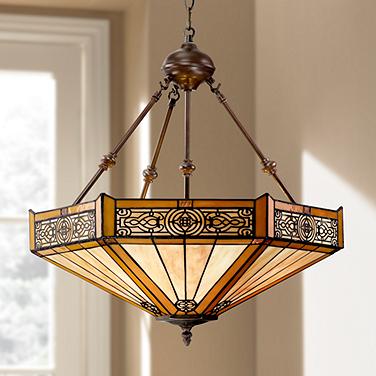
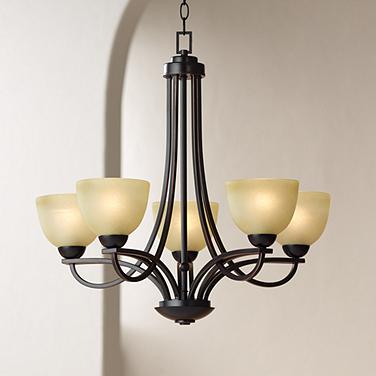
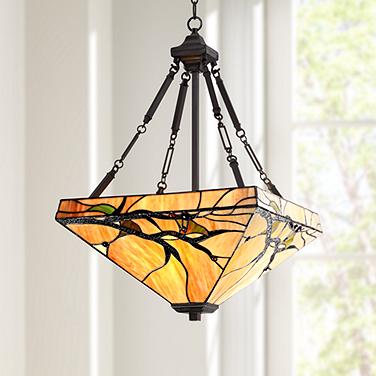
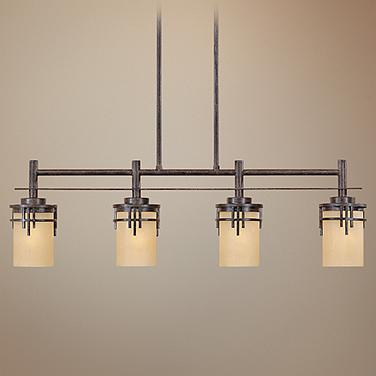
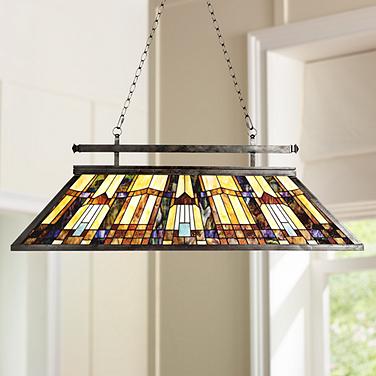
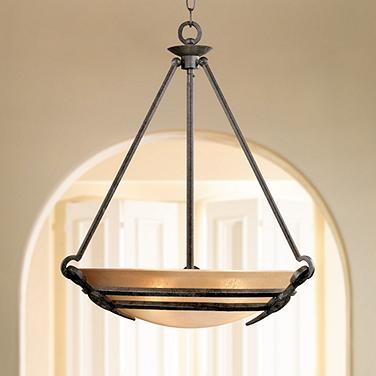
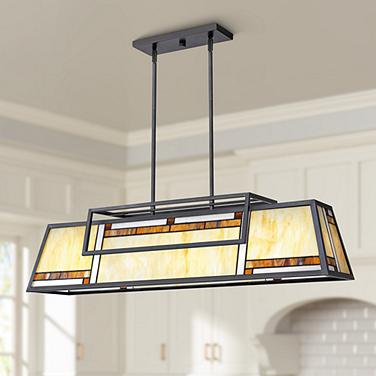
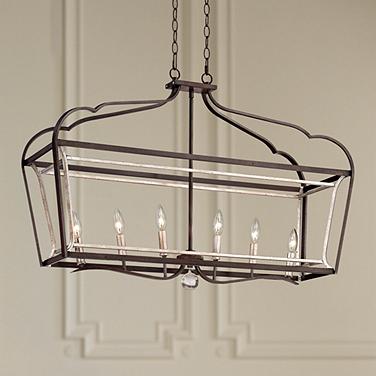
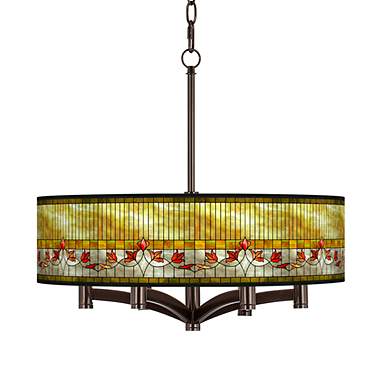
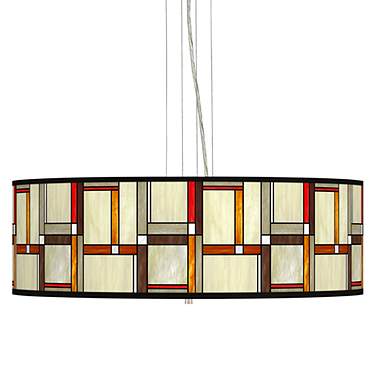
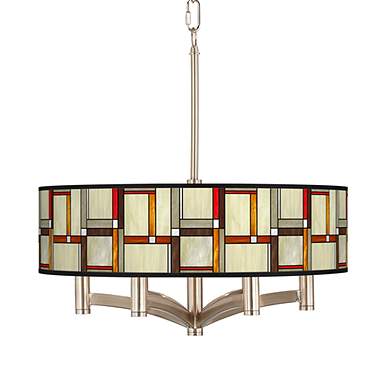
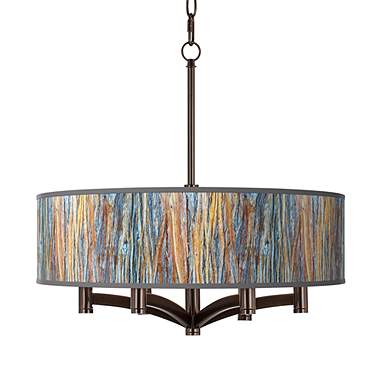
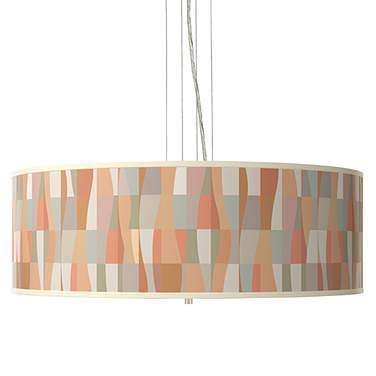
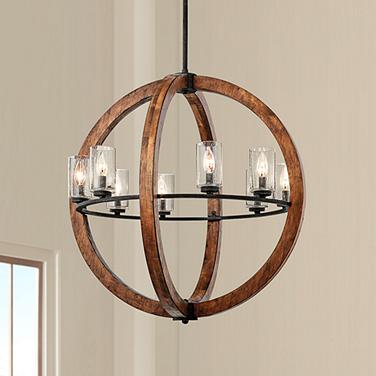
98 resultsFree Shipping* on all Arts and Crafts Mission chandeliers. Shop our selection of well-made Craftsman chandelier designs in iron, brass and more.

















Looking for something specific?Search our site:
Arts and Crafts & Mission Style Chandeliers: The Complete Guide
Discover the timeless beauty of Arts and Crafts and Mission style chandeliers, where handcrafted quality meets honest design. Born from the late 19th-century reaction against mass production, these fixtures bring warmth, character, and artistic integrity to Craftsman homes, bungalows, and any space that values authentic craftsmanship over fleeting trends. From the geometric precision of mica-shaded fixtures to the warm glow of art glass designs, our collection celebrates the enduring principles of the Arts and Crafts movement. Whether you're restoring a period bungalow or adding character to a contemporary home, these chandeliers serve as both functional lighting and meaningful design statements.
Understanding Arts and Crafts Chandeliers
The Arts and Crafts movement emerged in Britain during the 1860s as a direct response to the industrial revolution's emphasis on machine-made goods. Led by design reformers like William Morris and John Ruskin, and later adapted for American sensibilities by Gustav Stickley and Elbert Hubbard, the movement championed handcrafted quality, honest use of materials, and designs that celebrated the maker's skill. Arts and Crafts chandeliers embody these principles through their construction and aesthetic — unlike ornate Victorian fixtures, these designs favor clean lines, visible joinery, and materials presented in their natural state.
Key Characteristics of Arts and Crafts Lighting
Arts and Crafts chandeliers are defined by geometric forms with clean rectilinear shapes that emphasize structure over ornament, natural materials including oak, copper, bronze, mica, and art glass showcased honestly, handcrafted details such as visible hammer marks and hand-riveted joints, warm amber and earth-toned glass that creates inviting ambiance, and integrated designs built to harmonize with Craftsman architecture. The philosophy holds that beauty emerges from function and craftsmanship rather than applied decoration.
The Mission Style Difference
While often used interchangeably, Mission style represents the distinctly American interpretation of Arts and Crafts principles. The name derives from the Spanish missions of California, whose simple, functional furniture inspired Gustav Stickley's designs in the early 1900s. Mission chandeliers typically feature more pronounced geometric structures than their British counterparts — straight lines, right angles, and grid patterns define the style, with the signature "slat" motif echoing Mission furniture design. Distinguishing elements include vertical slats, square and rectangular forms, exposed metal or wood skeleton, amber and caramel art glass or mica panels, and bronze and iron finishes with aged patinas.
Materials That Define the Style
Authentic Arts and Crafts and Mission chandeliers are defined as much by their materials as their forms. The movement's emphasis on "truth to materials" means each component is selected for its inherent beauty and honest expression, not merely its function.
Mica: The Signature Material
Mica shades are perhaps the most iconic element of authentic Arts and Crafts lighting. This naturally occurring mineral splits into thin, translucent sheets that glow with a warm, amber light when illuminated. Unlike glass, mica produces a soft, diffused illumination that eliminates harsh shadows and creates an intimate atmosphere perfectly suited to Craftsman interiors. The material's natural variations mean no two mica panels are identical, adding to each fixture's handcrafted character. Mica ranges in color from pale gold to deep amber, with some pieces showing bronze or green undertones that shift subtly with the light. Browse our mica chandelier collection to experience this warm, distinctive glow.
Art Glass and Stained Glass
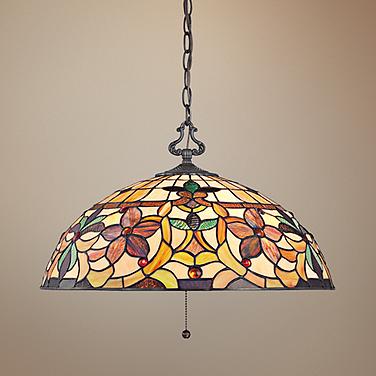
Art glass chandeliers bridge the Arts and Crafts movement with the parallel Tiffany tradition, incorporating colored glass panels in geometric or nature-inspired patterns. These fixtures often feature amber, green, and caramel tones arranged in simple grid patterns rather than the elaborate pictorial designs of high-style Tiffany work. The glass itself may be textured, seeded, or include subtle color variations that catch and refract light beautifully. Slag glass, with its swirled marble-like appearance, appears frequently in Mission designs, offering visual interest while maintaining the style's restrained aesthetic.
Hammered Metals
Copper and bronze chandeliers in the Arts and Crafts tradition often feature hand-hammered surfaces that catch light and reveal the maker's touch. This technique, popularized by artisans like Dirk Van Erp, transforms flat metal into textured surfaces with organic, almost liquid qualities. Hammered metalwork develops a natural patina over time, deepening and enriching the finish. Many collectors and homeowners prize this aging process as it connects the fixture to its history and continues the tradition of celebrating materials in their natural state.
Choosing the Right Chandelier for Your Craftsman Home
Selecting a Mission or Arts and Crafts chandelier involves balancing historical authenticity with practical lighting needs. The right fixture should feel like a natural extension of your home's architecture while providing appropriate illumination. Craftsman homes, with their characteristic exposed beams, built-in cabinetry, and horizontal emphasis, require lighting that complements rather than competes with these architectural features.
Sizing Quick Reference
| Room Type | Ceiling Height | Recommended Width | Hanging Height |
|---|---|---|---|
| Dining Room (8' table) | 8–9 feet | 24–30 inches | 30–34" above table |
| Dining Room (6' table) | 8–9 feet | 20–26 inches | 30–34" above table |
| Foyer (standard) | 8 feet | 16–20 inches | 7' minimum clearance |
| Foyer (two-story) | 16+ feet | 24–36 inches | Visible from entry |
| Living Room | 8–9 feet | 24–32 inches | 7' minimum clearance |
| Kitchen Island (6') | 8–9 feet | Linear 30–36 inches | 30–36" above surface |
For Craftsman homes with lower 8-foot ceilings, semi-flush or close-to-ceiling Mission fixtures maintain style while preserving headroom. These designs often feature the same mica or art glass materials as hanging chandeliers and provide appropriate lighting without compromising the intimate proportions typical of bungalow architecture.
Arts and Crafts Chandeliers by Room
Dining Room Applications
The dining room represents the natural home for a statement Arts and Crafts chandelier. Period dining rooms, with their plate rails, built-in buffets, and quartersawn oak furniture, create the perfect backdrop for mica or art glass fixtures. The warm, diffused light these materials produce flatters both food and faces while creating an intimate atmosphere for conversation. For dining applications, look for Mission dining chandeliers that direct light both downward toward the table and outward into the room, with shade configurations that create ambient glow through their warm-toned materials.
Foyer and Entryway Lighting
A Mission-style chandelier in the entryway establishes your home's design identity from the first moment guests step inside. Lantern-style chandeliers work particularly well in foyers, echoing the external porch lights typical of bungalow architecture and creating visual continuity between indoor and outdoor spaces. Select a bronze or oil-rubbed finish that coordinates with your door hardware and other metal elements for a cohesive first impression.
Living Room Selections
Craftsman living rooms, with their inglenooks, beamed ceilings, and emphasis on cozy gathering, call for chandeliers that contribute to rather than dominate the space. Consider fixtures that hang slightly lower and provide warm ambient light to complement the task lighting from table and floor lamps typical of period interiors. The living room also offers an opportunity to introduce color through art glass panels — deep greens, warm ambers, and rich blues can complement the earth tones of Craftsman color palettes while adding visual interest to the ceiling plane. Explore our full Arts and Crafts chandelier selection to find the right scale and material for your living room.
Kitchen and Breakfast Area Solutions
Modern Craftsman kitchens blend period aesthetics with contemporary function, requiring lighting that provides adequate task illumination while maintaining style authenticity. Arts and Crafts chandeliers over kitchen islands or breakfast tables can anchor these spaces, though they're typically supplemented with additional task lighting. For kitchen applications, consider fixtures with clear or lightly tinted glass that maximizes light output. Linear designs that span kitchen islands offer both practical illumination and visual balance. Browse linear and island chandeliers that work beautifully in Craftsman kitchen settings.
Pairing Mission Chandeliers with Home Architecture
Mission and Arts and Crafts lighting complements a range of architectural styles beyond the obvious Craftsman home. Understanding these connections helps create cohesive interiors that feel intentional and historically informed.
Craftsman and Bungalow Homes
The natural pairing, Mission chandeliers were designed specifically for these homes and integrate seamlessly with exposed roof rafters, tapered porch columns, and generous use of natural wood. Look for fixtures with bronze or oil-rubbed finishes that complement typical Craftsman hardware, and mica or amber glass that echoes the warm wood tones throughout these homes.
Prairie Style Architecture
Frank Lloyd Wright's Prairie style shares the Arts and Crafts movement's emphasis on honest materials and integration with nature, making Mission lighting a natural complement. Prairie homes' horizontal lines and emphasis on geometric patterns align perfectly with the rectilinear forms of Mission chandeliers. Look for fixtures with strong horizontal emphasis and art glass in the earth tones of the prairie landscape. Consider pairing with other transitional chandeliers for spaces that blend Prairie and contemporary influences.
Contemporary Spaces
The clean lines and honest materiality of Arts and Crafts lighting translate surprisingly well to contemporary interiors. Modern spaces that value craftsmanship, natural materials, and thoughtful design find natural kinship with Mission fixtures. The movement's rejection of fussy ornament aligns with contemporary minimalism, while handcrafted details add warmth and character. This makes Arts and Crafts chandeliers a compelling choice alongside contemporary chandelier styles for eclectic, design-forward homes.
Care and Maintenance
Arts and Crafts chandeliers, with their combination of natural materials and handcrafted finishes, require specific care to maintain their beauty over time. The good news is that these materials often improve with age when properly maintained.
Caring for Mica Shades
Mica is a mineral that requires gentle handling. Dust regularly with a soft, dry cloth or feather duster, always working in the direction of the grain to avoid scratching. Never use water, glass cleaners, or chemical products on mica as these can damage the mineral's natural surface and cause delamination. For deeper cleaning, a very soft brush can remove accumulated dust from textured surfaces. Handle mica panels by their metal frames rather than the mineral itself, as oils from skin can mark the surface. Some slight darkening or color shift over time is natural and part of mica's character.
Maintaining Art Glass
Art glass and stained glass panels can be cleaned with a soft, lint-free cloth dampened with plain water. For stubborn dust, a mild solution of dish soap and water works well, followed by thorough drying. Avoid abrasive cleaners or rough cloths that might scratch decorative surfaces. Inspect lead came periodically for any separation or deterioration — significant lead failure should be addressed by a professional stained glass restorer to prevent damage to the glass panels themselves.
Preserving Metal Finishes
The patina that develops on bronze and brass and antique brass fixtures is generally desirable and should be preserved. Dust metal components with a soft cloth, and avoid polishing unless you specifically want to restore the original bright finish. Once patina is removed, it develops again only through years of natural aging. For fixtures with applied finishes like oil-rubbed bronze, clean only with a dry or barely damp cloth — harsh cleaners or excessive moisture can damage these finishes.
Frequently Asked Questions
What is the difference between Arts and Crafts and Mission style chandeliers?
Arts and Crafts refers to the broader design movement originating in 1860s Britain, emphasizing handcrafted quality and honest materials. Mission style is the distinctly American interpretation of these principles, named for the Spanish missions of California and characterized by straight lines, exposed construction, and geometric patterns. Mission chandeliers typically feature more pronounced vertical slats and rectangular forms, while Arts and Crafts designs may incorporate slightly more organic curves and nature-inspired motifs. Both styles share an emphasis on craftsmanship and natural materials like mica, art glass, and hand-finished metals.
What types of homes do Mission chandeliers look best in?
Mission chandeliers are most at home in Craftsman bungalows, American Foursquare houses, and Prairie-style homes where their design aesthetic originated. However, they also work beautifully in contemporary spaces that value craftsmanship and natural materials, rustic mountain or lodge-style homes, and mid-century modern interiors with wood and earth tones. The key is complementary elements like exposed wood, handcrafted furniture, and warm color palettes that echo the Arts and Crafts philosophy.
What is mica and why is it used in Mission lighting?
Mica is a naturally occurring silicate mineral that splits into thin, translucent sheets. Arts and Crafts lighting designers favored mica because it produces a warm, amber-toned glow that creates intimate, inviting atmospheres without the harshness of clear glass. Each mica panel is unique, with natural variations in color and texture that reflect the movement's emphasis on natural materials and handcrafted individuality. Mica also proved more durable than early glass alternatives for the geometric shade shapes common to Mission designs.
How do I identify an authentic Craftsman-style chandelier?
Authentic Craftsman chandeliers display several key characteristics: clean geometric forms emphasizing horizontal and vertical lines, visible construction elements like exposed rivets and joinery, natural materials including mica, art glass, hammered copper, bronze, or oak, warm-toned finishes that complement wood, simple silhouettes without excessive ornamentation, and proportions suited to the modest scale of Craftsman architecture. The overall impression should be of honest craftsmanship rather than applied decoration.
Can I use LED bulbs in an Arts and Crafts chandelier?
Yes, LED bulbs work well in Arts and Crafts chandeliers and offer significant energy savings. For the most period-appropriate appearance, choose warm white LEDs in the 2700K color temperature range, which produces the amber-toned glow that complements mica and art glass. Vintage-style Edison LED bulbs with visible filaments are particularly appropriate for Mission fixtures with exposed bulb designs. Always check maximum wattage ratings and use LED equivalents that don't exceed these specifications.
What finish works best for Mission style chandeliers?
Oil-rubbed bronze, antique brass, and aged copper finishes are most authentic to the Mission style, complementing the warm wood tones typical of Craftsman interiors. Matte black also works well for a more dramatic, industrial interpretation. Avoid highly polished or chrome finishes, which read as too modern for the style. Browse our bronze chandeliers and antique brass chandeliers to explore authentic Mission finishes.
How do I size a chandelier for a Craftsman dining room?
For Craftsman dining rooms, select a chandelier that is approximately one-half to two-thirds the width of your dining table. A 6-foot table suits a 20–26 inch chandelier, while an 8-foot table accommodates a 24–32 inch fixture. Hang the chandelier 30–34 inches above the table surface to provide good illumination without blocking sight lines. Given the typically modest ceiling heights of Craftsman bungalows (usually 8–9 feet), avoid fixtures taller than 20–24 inches to maintain comfortable proportions.
What is the difference between Mission and Tiffany lighting?
While both emerged from the same era and share some aesthetic values, Mission and Tiffany represent different approaches to art glass. Mission lighting features geometric patterns, straight lines, and subdued earth-tone colors in keeping with the Arts and Crafts emphasis on simplicity and function. Tiffany lighting showcases elaborate organic patterns, curved forms, and vibrant jewel-tone colors, representing a more decorative Art Nouveau sensibility. Mission fixtures use simpler construction techniques, while Tiffany pieces are known for their complex copper foil and lead came glasswork.
How do I clean mica lamp shades without damaging them?
Mica requires careful, dry cleaning to prevent damage. Dust regularly with a soft feather duster or very soft cloth, always working in the direction of the natural grain. Never use water, glass cleaners, or any liquid products on mica, as moisture can cause the mineral to delaminate or cloud. Handle panels by their metal frames rather than the mica itself to avoid leaving fingerprints. For stubborn dust in textured areas, use a soft brush with very gentle pressure. Some natural darkening over time is normal and adds to the material's character.
Are Mission chandeliers suitable for low ceilings?
Yes, many Mission chandeliers work well in rooms with standard 8-foot ceilings, which were typical of Craftsman bungalows. Look for semi-flush or close-to-ceiling designs that maintain the Mission aesthetic while providing adequate headroom. Fixtures that hang 12–15 inches from the ceiling allow for proper clearance while still making a design statement. Alternatively, flush-mount Mission fixtures offer the same mica and art glass materials in a more compact format suitable for the lowest ceiling heights.
What color glass is most authentic for Arts and Crafts lighting?
Authentic Arts and Crafts lighting typically features warm, nature-inspired colors: amber, honey, caramel, and golden tones are most common, reflecting the movement's emphasis on natural materials and warm, inviting atmospheres. Muted greens (sage, olive), deep browns, and occasional blues in earth tones also appear in period pieces. Avoid bright, saturated jewel tones, which belong more to the Tiffany and Art Nouveau traditions. The glass should produce a warm, diffused glow rather than vivid color when illuminated.
Can I mix Mission lighting with other design styles?
Mission lighting blends successfully with several complementary styles. It pairs naturally with rustic and lodge chandeliers that share its appreciation for natural materials and craftsmanship. Contemporary and minimalist interiors can benefit from Mission fixtures' clean lines and honest construction. Avoid mixing with ornate traditional styles (Victorian, French Provincial) or ultra-modern industrial aesthetics that conflict with the Arts and Crafts philosophy. The key is finding common ground in material quality, earth tones, and design integrity.
What hardware finishes coordinate with Mission chandeliers?
For a cohesive Craftsman interior, coordinate your chandelier finish with door hardware, cabinet pulls, and other metal elements. Oil-rubbed bronze is the most versatile, working with nearly any Mission fixture. Antique brass and matte black also create period-appropriate combinations. The finishes don't need to match exactly, but should share a warm, aged quality. Avoid mixing cool-toned finishes (chrome, polished nickel) with warm Mission metals, as this creates visual discord.
How many lumens do I need from an Arts and Crafts dining room chandelier?
A dining room chandelier should provide approximately 3,000–6,000 lumens for comfortable ambient and task lighting during meals. Arts and Crafts chandeliers with mica or art glass naturally diffuse light, creating softer illumination than clear glass fixtures, so aim toward the higher end of this range. Calculate based on roughly 30–40 lumens per square foot of dining area. Installing a dimmer switch allows you to adjust from bright task lighting during meals to softer ambient levels for entertaining, maximizing your fixture's versatility.
What is hammered copper and why is it popular in Mission lighting?
Hammered copper refers to metalwork finished with visible hammer marks that catch and reflect light, creating surfaces with organic, almost liquid qualities. Arts and Crafts artisans, most notably Dirk Van Erp of San Francisco, championed this technique as it celebrates the maker's hand and rejects machine-made uniformity. The textured surface develops a rich patina over time, darkening from bright copper to deep browns and greens. This natural aging embodies the Arts and Crafts principle that materials should be allowed to express their inherent character.
Should I install a dimmer with my Mission chandelier?
Absolutely. A dimmer switch dramatically extends the versatility of any chandelier, and the warm-toned materials typical of Mission lighting respond particularly well to dimming. At lower levels, mica and art glass produce an intimate, almost candlelit atmosphere perfect for evening entertaining. At full brightness, the same fixture provides functional illumination for tasks and daily activities. Use an LED-compatible dimmer if you're using LED bulbs, as standard dimmers may cause flickering or poor performance with some LED types.
Who were the notable designers of Arts and Crafts lighting?
Several craftspeople defined the Arts and Crafts lighting tradition. Dirk Van Erp, a Dutch immigrant to San Francisco, created iconic hammered copper lamps with mica shades that remain highly collectible. Gustav Stickley, founder of the American Craftsman furniture movement, produced lighting to complement his furniture lines. The Roycroft community in New York, led by Elbert Hubbard, produced distinctive copper and iron pieces. Greene & Greene, the architectural firm behind some of California's finest Craftsman homes, designed lighting integrated with their complete interior schemes.
How do I hang a chandelier in a room with a sloped ceiling?
Sloped ceilings, common in Craftsman bungalows with exposed rafters, require a sloped ceiling adapter or canopy that mounts flush to the angle while allowing the chandelier to hang vertically. Most quality fixtures include adjustable canopies that accommodate slopes up to 45 degrees. For steeper pitches, you may need to install a swivel mounting bracket. Ensure the chandelier hangs at least 7 feet from the floor at its lowest point, measuring from the walking area rather than the highest ceiling point.
What is the Arts and Crafts movement's connection to nature?
The Arts and Crafts movement emphasized humanity's connection to the natural world, reflected in lighting through natural materials (mica, wood, hand-forged metals), earth-toned colors, organic textures, and motifs drawn from nature such as ginkgo leaves, pinecones, and landscapes. This philosophy extended to the movement's advocacy for handcraftsmanship over machine production, viewing artisanal work as more authentically human. The warm, diffused light quality of Arts and Crafts fixtures was intended to create interiors that felt connected to natural light cycles rather than the harsh illumination of industrial environments.
Can Arts and Crafts chandeliers be used in outdoor covered areas?
Some Arts and Crafts chandeliers are rated for damp locations and can be used in covered outdoor areas like screened porches, pergolas, and covered patios. Always check the fixture's UL or ETL rating before outdoor installation. Damp-rated fixtures can withstand humidity and indirect moisture but should not be exposed to direct rain. For true outdoor applications, look for wet-rated fixtures specifically designed for exterior use. The materials common to Mission lighting, particularly mica, require protection from direct weather exposure to prevent damage.