

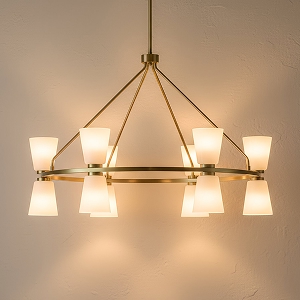
 Possini Chandeliers
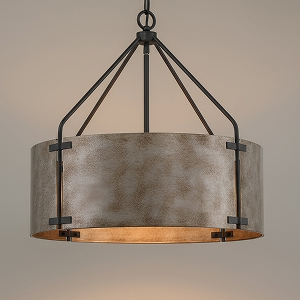 Drum Chandeliers
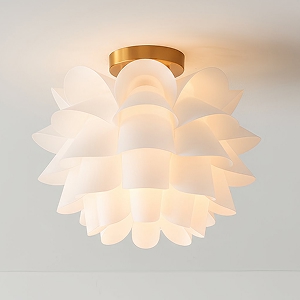 Semi Flush Chandeliers
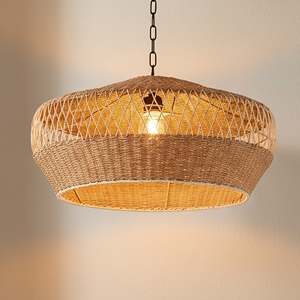 Rattan Chandeliers
 Outdoor Chandeliers
 Gold Chandeliers
 Bedroom
 Buffet
 USB
USB
 Tiffany
 Coastal
 Mid Century
 Fandeliers
 Casa Vieja
 Minka Aire
 Outdoor
 Caged
Caged
 Smart Fans
 Vanity Lights
 Bathroom Sets
 Plug In
 Brushed Nickel
 Gold
Gold
 Black
Black
Sloped Ceiling Chandeliers & Vaulted Ceiling Chandeliers
1,205 results







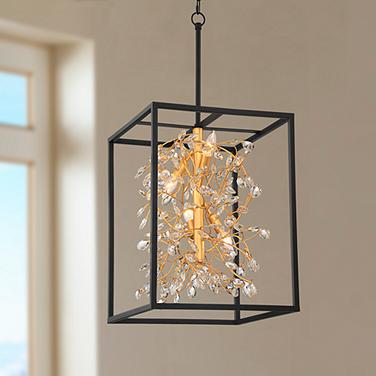

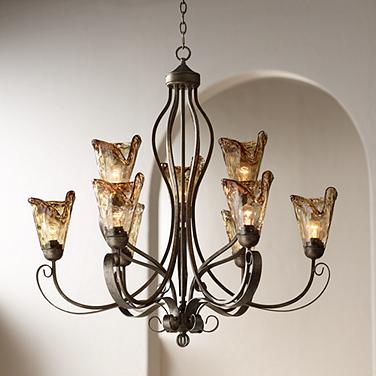
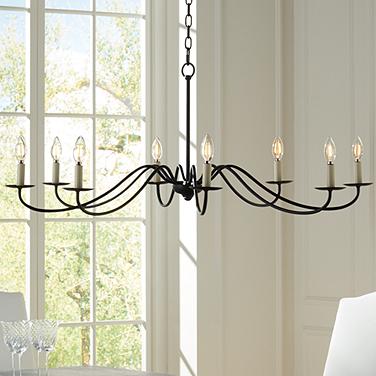
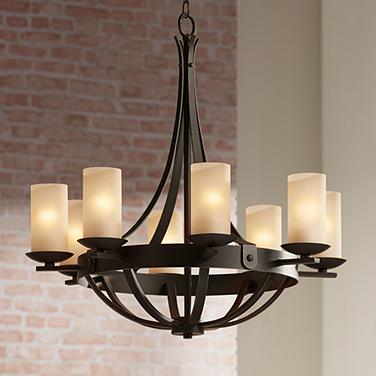
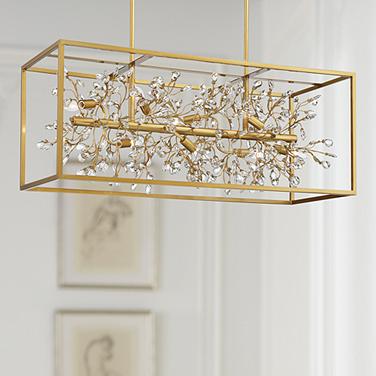
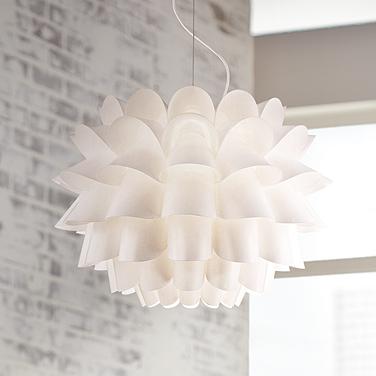
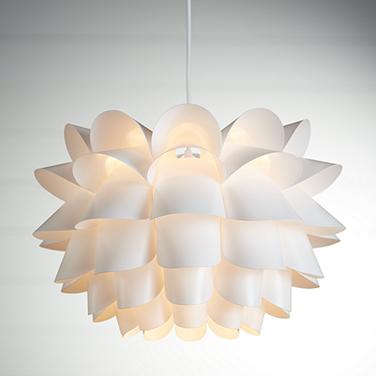
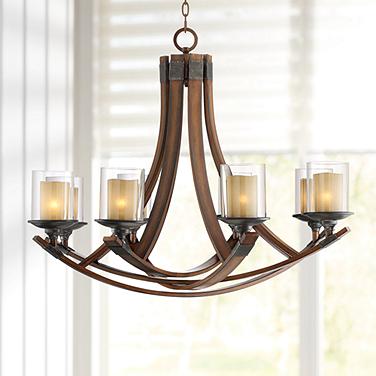
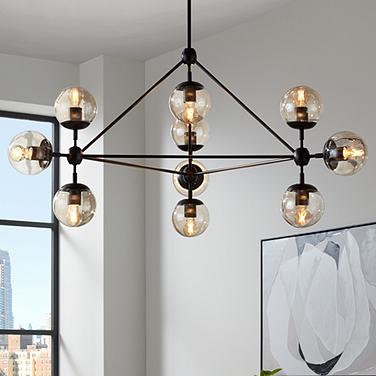

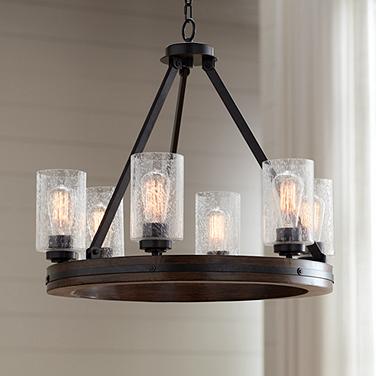
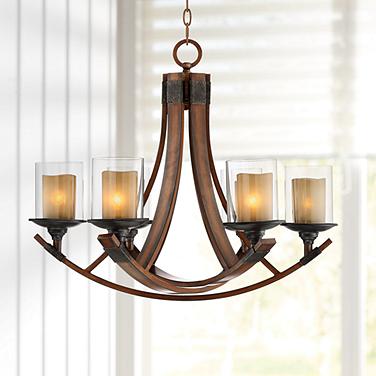
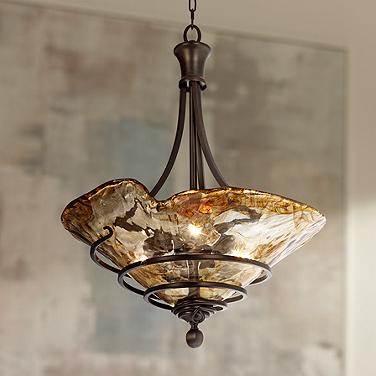


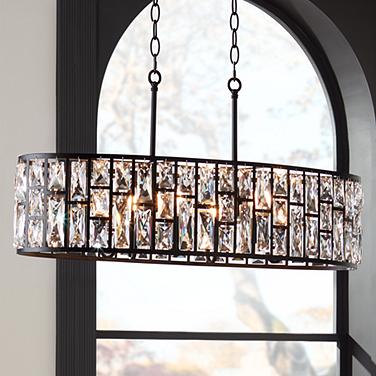
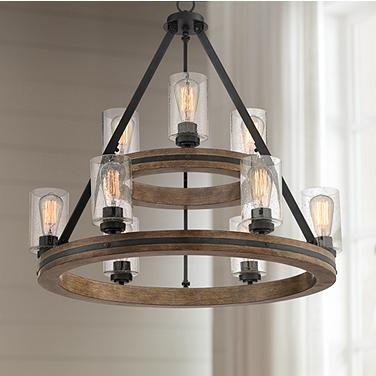
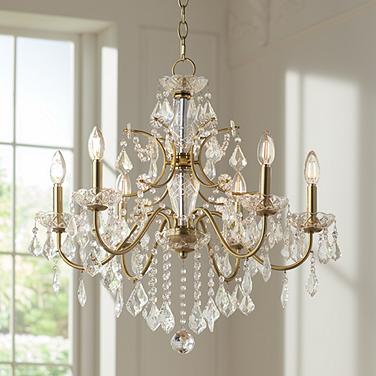
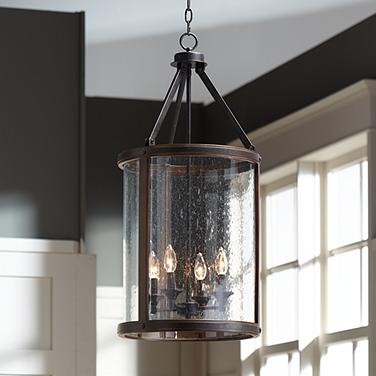
Looking for something specific?Search our site:
Your Complete Guide to Sloped Ceiling Chandeliers and Vaulted Ceiling Chandeliers
Transform your sloped, vaulted, or cathedral ceiling into a stunning focal point with the perfect chandelier. At Lamps Plus, we offer an extensive collection of chandeliers specifically designed for angled ceilings, helping you illuminate your space with style and confidence. Whether you're lighting a two-story foyer, a dining room with soaring ceilings, or a dramatic staircase, our selection combines beauty with the specialized hardware needed for safe, secure installation.
What Are Sloped Ceiling Chandeliers?
Sloped ceiling chandeliers are lighting fixtures specifically designed or adapted to hang properly on angled, vaulted, or cathedral ceilings. Unlike standard chandeliers made for flat, horizontal ceilings, these fixtures include special mounting hardware that allows them to hang vertically and securely, regardless of your ceiling's angle.
The key difference lies in the mounting system. Sloped ceiling chandeliers feature swivel canopies, pivot adapters, or adjustable chain suspension that compensates for the ceiling angle, ensuring the fixture hangs straight down rather than following the slope of the ceiling. This creates both a visually appealing installation and a safe, code-compliant setup that properly distributes the chandelier's weight.
Sloped ceilings appear in many architectural styles. A vaulted ceiling features two equal sloping sides that meet at a central ridge, similar to a traditional roof. Cathedral ceilings follow the same concept but typically have steeper angles and greater height. A sloped ceiling may have just one angled side, common in rooms built into attic spaces or homes with shed-style roofs. All of these ceiling types require special consideration when selecting and installing chandeliers. Browse our full chandelier collection or jump directly to our sloped ceiling chandeliers to find fixtures with the right hardware for your space.
How to Choose the Right Chandelier for Your Sloped Ceiling
Selecting a chandelier for a sloped ceiling involves more considerations than choosing one for a standard flat ceiling. The angle of your ceiling, the height of the room, and the type of suspension system all play crucial roles in finding the perfect fixture.
Understanding Ceiling Angles and Compatibility
Most sloped ceiling chandeliers accommodate angles up to 45 degrees, which covers the majority of residential applications. However, it's essential to verify the specific angle of your ceiling before purchasing. You can measure this using a digital level with an angle-finding feature, a protractor against the ceiling, or a smartphone app designed for angle measurement.
Steeper slopes require more specialized hardware and may limit your fixture choices. For extreme angles beyond 45 degrees, you may need custom mounting solutions or fixtures specifically engineered for dramatic slopes. Always check the manufacturer's specifications for maximum compatible ceiling angle.
Chain vs. Rod Suspension Systems
The suspension type dramatically affects how easily a chandelier adapts to sloped ceilings. Chain-hung chandeliers are naturally the most versatile option for angled ceilings. Gravity causes the chain to hang straight down regardless of the ceiling slope, requiring only a swivel canopy at the mounting point. This makes installation more straightforward and provides flexibility in adjusting the fixture's height.
Rod-mounted chandeliers, while offering a cleaner, more streamlined look, require a specialized sloped ceiling adapter between the canopy and the rod. This adapter creates a pivot point that allows the rod to hang vertically. Some modern fixtures come with these adapters included, while others require purchasing them separately. When shopping, verify whether the necessary adapter is included or available for your chosen fixture.
Weight Capacity and Junction Box Requirements
Standard ceiling junction boxes are rated to support up to 50 pounds. If your chosen chandelier exceeds this weight, you'll need a fan-rated junction box, which can safely support fixtures up to 150 pounds. This is especially important for sloped ceiling installations, as the angle can create additional stress on the mounting hardware.
Crystal chandeliers, multi-tier designs, and fixtures with metal frames often exceed the 50-pound threshold. Always verify your fixture's weight before purchasing and ensure your ceiling has the appropriate support. If you're unsure about your current junction box rating, consult a licensed electrician to evaluate and upgrade if necessary.
Room Size and Ceiling Height Considerations
Vaulted and sloped ceilings create dramatic vertical space that requires careful scale consideration. For rooms with sloped ceilings, use the standard chandelier sizing formula as your starting point, then add 2–3 inches to the diameter for every foot of ceiling height above 8 feet. For example, if your room is 15 feet wide and 18 feet long with 16-foot ceilings, you'd calculate a base size of 33 inches, then add 16 inches for the extra ceiling height, resulting in a recommended diameter of approximately 49 inches.
The visual weight of the fixture matters just as much as its physical dimensions. Multi-tier chandeliers, designs with elaborate details, and fixtures with substantial crystal elements can fill vertical space more effectively than simple single-tier designs.
Understanding Sloped Ceiling Adapters and Installation Hardware
The specialized hardware that makes sloped ceiling chandelier installation possible is crucial to understand before making your purchase. These components ensure your fixture hangs safely and looks professionally installed.
Swivel Canopies and Pivot Adapters
A swivel canopy, also called a sloped ceiling canopy, is the most common adapter type. This round mounting plate features a pivot mechanism that attaches to the ceiling junction box at an angle while allowing the chandelier's chain or rod to hang straight down. The canopy itself sits flush against the angled ceiling, creating a finished appearance.
Pivot adapters work similarly but are typically used with rod-mounted fixtures. These adapters install between the ceiling canopy and the downrod, creating an articulation point. Some high-quality fixtures include an integrated swivel mechanism within their standard canopy design, eliminating the need for a separate adapter piece.
Adjustable Chain and Downrod Systems
Chains offer the most flexibility for sloped ceiling installations. The chain naturally hangs straight due to gravity, and its length can be easily adjusted by removing or adding links. Most chain-hung chandeliers include extra chain length to accommodate various ceiling heights.
Adjustable downrods come in multiple lengths and can be swapped or shortened as needed. When ordering a chandelier with a downrod, verify the available lengths and ensure you select one appropriate for your ceiling height. Remember to account for both the ceiling height and the desired hanging height above the floor, typically maintaining at least 7 feet of clearance in walkable areas.
Junction Box Installation on Sloped Ceilings
Installing a junction box on a sloped ceiling requires different hardware than flat ceiling installation. The electrical box must be securely mounted to ceiling joists or structural supports, and specialized mounting brackets are available specifically for angled ceilings. These brackets compensate for the slope while providing a secure, level mounting surface for the box itself.
If you're building new or have access to the ceiling cavity, pancake boxes or retrofit fan-rated boxes designed for sloped applications offer the most secure installation. For existing ceilings where access is limited, retrofit boxes installed through the ceiling opening may be your best option—though these should be installed by a professional to ensure proper support.
Measuring Your Ceiling Slope for Chandelier Installation
Accurate measurements are essential for selecting compatible hardware and ensuring successful installation. Taking the time to properly measure your ceiling angle, height, and clearance requirements will save you from compatibility issues and potential returns.
Tools and Techniques for Measuring Ceiling Angle
A digital level with an angle-reading function provides the most accurate measurement. Place the level against your ceiling, and it will display the exact angle in degrees. These tools are widely available at hardware stores and are worth the small investment if you're planning significant work on sloped ceilings.
Alternatively, smartphone apps designed for angle measurement can utilize your phone's built-in sensors to determine ceiling slope. Hold your phone flat against the ceiling, and the app will calculate the angle. While slightly less precise than dedicated tools, these apps provide sufficient accuracy for most residential applications.
For a traditional approach, you can use a protractor and a straight edge. Place the straight edge against the ceiling, hold the protractor at the junction of the ceiling and a vertical wall, and read the angle measurement where the ceiling intersects the protractor's scale.
Calculating Hanging Height and Clearance
For sloped ceilings, calculate the hanging height from the lowest point of the chandelier to the floor, not to the ceiling. In open areas like entryways or living rooms, maintain a minimum clearance of 7 feet from the floor to the bottom of the fixture. This ensures safe passage without the risk of head strikes.
Above dining tables, the ideal height is 30 to 36 inches from the table surface to the bottom of the chandelier. For taller ceilings, you can increase this distance to 36 to 40 inches to maintain visual proportion. In two-story foyers or stairwell applications, hang the fixture so its center point aligns approximately with the second-floor landing, creating visual balance when viewed from multiple levels.
Measuring for Proper Scale
Measure your room's length and width in feet, then add those numbers together. This sum, converted to inches, gives you an appropriate chandelier diameter. For a 15-foot by 18-foot room, that's 33 inches. For vaulted ceilings over 10 feet high, add 2–3 inches to this calculation for each additional foot of ceiling height.
Don't forget to measure any tight passages or doorways through which the chandelier must pass during installation. Crystal chandeliers and multi-tier designs can be quite wide, and you may need to partially disassemble the fixture for delivery to the installation location.
Popular Styles for Sloped Ceiling Chandeliers
The right style chandelier can enhance your home's architectural character while providing beautiful illumination. Sloped ceiling chandeliers are available in every major design aesthetic, ensuring you can find a fixture that complements your space perfectly.
Modern and Contemporary Designs
Modern chandeliers for sloped ceilings emphasize clean lines, geometric shapes, and minimalist aesthetics. These fixtures often feature integrated LED technology, metal finishes in matte black or brushed nickel, and sculptural silhouettes that become art pieces in their own right. Browse our collection of contemporary chandeliers to explore the full range.
Sputnik-style chandeliers work exceptionally well on vaulted ceilings, with their radiating arms creating visual interest that complements dramatic architectural lines. Linear chandeliers with adjustable suspension offer flexibility for positioning over dining tables or kitchen islands beneath sloped ceilings. Many contemporary designs incorporate mixed materials—metal with glass, wood, or concrete elements—for textural contrast.
The streamlined nature of modern fixtures makes them particularly well-suited for sloped ceiling installation. Their simpler mounting mechanisms and lighter weight compared to traditional crystal chandeliers mean easier installation and broader compatibility with standard junction boxes.
Traditional and Transitional Options
Traditional chandeliers bring timeless elegance to spaces with vaulted ceilings. Candelabra-style fixtures with multiple tiers create vertical interest that fills tall spaces beautifully. Classic designs featuring scrolled metalwork, antiqued finishes like oil-rubbed bronze or aged brass, and glass or crystal accents evoke the grandeur of historic estates.
Transitional chandeliers offer the best of both worlds, blending traditional elegance with contemporary simplicity. These versatile fixtures work in homes that mix classic and modern elements, featuring simplified traditional shapes without excessive ornamentation. Drum chandeliers with fabric shades, updated lantern styles with clean-lined frames, and fixtures that pair traditional candelabra arms with modern finishes all fall into this category.
Chain suspension is common in traditional and transitional designs, making them naturally compatible with sloped ceilings. The ability to adjust chain length also helps achieve the perfect visual proportion in rooms with varying ceiling heights.
Farmhouse and Rustic Styles
Farmhouse chandeliers bring warmth and character to sloped ceiling spaces. These designs often feature wood elements, distressed metal finishes, and simple, functional beauty. Wagon wheel chandeliers, fixtures with mason jar-style shades, and designs incorporating rope or natural materials create the relaxed, lived-in aesthetic that defines farmhouse style. Shop our farmhouse chandelier collection for a wide range of options.
Rustic chandeliers take this aesthetic further with more prominent natural materials and rough-hewn finishes. Antler chandeliers, fixtures crafted from reclaimed wood, and designs with visible metal welds or industrial elements bring outdoor-inspired character to interior spaces. Explore our rustic and lodge chandelier styles for the full selection.
Both farmhouse and rustic styles work beautifully in homes with exposed beams, natural wood ceilings, or cabin-style architecture. Their often lighter weight facilitates easier mounting and broader junction box compatibility.
Crystal and Glam Chandeliers
Crystal chandeliers create spectacular light shows in rooms with vaulted ceilings. The height allows crystals to catch and refract light dramatically, sending sparkles dancing across walls and ceilings. Traditional crystal chandeliers with tiered arms draped in glass beads and prisms bring Old World luxury, while contemporary crystal designs with geometric arrangements offer modern glamour. For an even bolder aesthetic, explore our glam and luxe chandeliers.
When selecting a crystal chandelier for a sloped ceiling, pay careful attention to weight specifications. Multi-tier crystal fixtures can easily exceed 50 pounds, requiring fan-rated junction boxes. The installation height also affects how the crystal reflects light, so position the fixture where natural or ambient light can interact with the crystals for maximum effect.
Installation Guide: Hanging a Chandelier on a Sloped Ceiling
While many homeowners feel comfortable with basic electrical work, sloped ceiling chandelier installation presents unique challenges that often warrant professional assistance. Understanding the process helps you make informed decisions about whether to tackle the project yourself or hire an electrician.
Safety Precautions and Electrical Code Compliance
Before beginning any electrical work, turn off power at the circuit breaker, not just at the light switch. Use a voltage tester to verify that no electricity is flowing to the junction box before touching any wires. Working on sloped ceilings often requires ladders or scaffolding at awkward angles, increasing fall risk, so ensure your ladder is stable and positioned safely.
The National Electrical Code (NEC) requires that chandelier installations meet specific standards for safety. All wiring connections must be made within the junction box, and the box must be securely fastened to structural ceiling supports. Junction boxes must be rated for the weight of your fixture, with fan-rated boxes required for fixtures over 50 pounds.
Step-by-Step Installation Overview
Installation begins with securing the mounting bracket to the junction box. For sloped ceilings, this bracket must allow for the angle while providing stable support. The sloped ceiling adapter or swivel canopy attaches to this bracket, creating a pivot point that compensates for the ceiling angle.
Next, connect the chandelier wires to the house wiring. Match black to black (hot wire), white to white (neutral), and green or bare copper to ground. Use wire nuts rated for the wire gauge you're working with, and ensure all connections are tight and secure. Tuck wiring neatly into the junction box before proceeding.
Attach the chandelier to the mounting bracket, allowing the swivel mechanism to adjust so the fixture hangs straight. For chain-hung chandeliers, adjust the chain length as needed by removing or adding links. Secure the canopy to the ceiling, ensuring all mounting screws are tight. Finally, install bulbs, restore power at the breaker, and test the fixture.
When to Hire a Licensed Electrician
Several situations absolutely require professional installation. If you need to install a new junction box or upgrade to a fan-rated box, hire an electrician. Running new wiring or modifying existing circuits should only be done by licensed professionals. Fixtures exceeding 50 pounds, extremely high ceilings requiring tall ladders or scaffolding, and any uncertainty about the installation all warrant calling a pro.
Professional installation typically costs between $200 and $500 depending on the fixture complexity, ceiling height, and your location. This investment ensures code compliance, proper safety, and often includes warranty coverage for the installation work.
Best Rooms for Sloped Ceiling Chandeliers
Sloped, vaulted, and cathedral ceilings appear in various rooms throughout the home, each presenting unique opportunities for dramatic chandelier lighting. Understanding the specific considerations for each space helps you select the ideal fixture.
Two-Story Foyers and Entryways
The grand entrance created by a two-story foyer with vaulted ceilings deserves an equally impressive chandelier. These spaces can accommodate large, multi-tier fixtures 36 to 48 inches in diameter or larger that would overwhelm rooms with standard ceiling heights. Position the chandelier so it's visible from both the first floor and any second-floor landing, with the fixture's center aligning roughly with the second-floor level. Maintain at least 7 feet of clearance from the first-floor surface.
Traditional homes with formal architectural details pair beautifully with crystal or classic candelabra designs. Contemporary homes benefit from modern geometric chandeliers or sculptural pieces that complement clean lines. Transitional designs work well in homes that blend multiple styles.
Dining Rooms with Vaulted Ceilings
Dining room chandeliers serve both functional and aesthetic purposes, providing task lighting for meals while creating ambiance for entertaining. Hang the chandelier so its bottom sits 30 to 36 inches above the dining table surface, or 36 to 40 inches for very tall ceilings. The chandelier should be centered over the table, and its diameter should be one-half to two-thirds the width of your dining table. Consider fixtures with dimmable capabilities to adjust from bright task lighting during meals to soft ambient lighting for entertaining. Our LED chandelier collection offers many dimmable options with excellent energy efficiency.
Living Rooms with Cathedral Ceilings
Cathedral ceilings in living rooms create dramatic vertical space perfect for statement chandeliers. Center the chandelier over the main seating area or at the room's architectural focal point. Consider fixtures with upward-facing lights or those that diffuse light through shades or glass to create soft, comfortable illumination. Layering this overhead lighting with table lamps, floor lamps, and wall sconces from our ceiling lighting collection creates a well-lit room with multiple lighting options for different activities and moods.
Staircases and Hallways
Staircase chandeliers in homes with sloped ceilings require extra attention to installation height and clearance. Position the chandelier so it maintains at least 7 feet of clearance from any step or landing surface. For dramatic effect in two-story staircases, consider a linear chandelier that follows the stair line or a large fixture that fills the vertical space beautifully.
Bedrooms with Sloped Ceilings
Bedroom chandeliers add a luxury feel to your private retreat. Choose smaller to medium-sized chandeliers, typically 24 to 30 inches in diameter. Position the fixture to avoid hanging directly over the bed, or choose a low-profile design if overhead placement is unavoidable. Opt for fixtures with warm color temperature bulbs (2700K–3000K) and dimming capabilities. Crystal chandeliers create romantic sparkle, while fixtures with frosted glass diffuse light for softer ambiance. Pair with glam and luxe styles for a true boutique hotel feel.
Lighting Design Tips for Sloped Ceilings
Creating a well-lit space with sloped or vaulted ceilings involves more than just selecting the right chandelier. Comprehensive lighting design considers multiple light sources working together to create beautiful, functional illumination.
Layering Light in Vaulted Spaces
The layers of light principle applies especially critically in rooms with vaulted ceilings due to the additional vertical space that can become shadowy without proper illumination. Your chandelier serves as ambient lighting, providing general illumination for the entire space. Supplement this with task lighting for specific activities, accent lighting to highlight architectural features or artwork, and decorative lighting that adds personality.
In a vaulted ceiling living room, combine your chandelier with recessed can lights in the ceiling to eliminate dark corners, table and floor lamps in seating areas for reading or other tasks, and wall sconces flanking a fireplace or artwork for accent illumination. Kitchens with vaulted ceilings benefit from pendant lighting over the island for task lighting, under-cabinet lighting for food preparation areas, and recessed lights in the vaulted ceiling for overall ambient light.
Combining Chandeliers with Recessed Lighting
Position recessed lights toward the perimeter of the room, angled slightly upward to graze the ceiling surface. This technique enhances the room's sense of height and space while the chandelier provides decorative beauty and focused downward illumination. Use dimmers on both the chandelier and recessed lights to adjust the balance between these light sources based on time of day and activities.
For sloped ceilings, select recessed fixtures specifically rated for angled installation. These include adjustable trims that can be aimed and housings designed to fit in sloped ceiling cavities. Standard recessed lights designed for flat ceilings won't work properly on angles and can create safety hazards.
Dimmers and Smart Controls
Dimming capabilities are essential for chandeliers in sloped ceiling spaces. Install a dimmer switch compatible with your chandelier's bulb type. LED bulbs require LED-compatible dimmers—explore our LED chandeliers for fixtures that pair beautifully with smart dimmer systems. Smart lighting controls offer even greater flexibility, allowing you to control your chandelier from your phone, set schedules for automatic operation, and create scenes that combine multiple light sources at specific brightness levels.
Accent Lighting for Architectural Features
Sloped and vaulted ceilings often feature architectural details worth highlighting—exposed beams, interesting wood grain in ceiling planks, or the dramatic lines where ceiling planes meet. Wall-mounted uplights can wash sloped ceilings with grazing light that emphasizes texture and detail. LED strip lighting hidden along beams creates a floating effect and modern aesthetic. These accent lights work with your chandelier to create comprehensive lighting design that celebrates the room's architecture.
Safety and Code Compliance
Proper installation of sloped ceiling chandeliers isn't just about aesthetics—it's a critical safety concern. Understanding the electrical codes and safety requirements ensures your installation is secure, legal, and safe for your family.
National Electrical Code Requirements
The National Electrical Code (NEC) provides standards for all electrical installations, including ceiling-mounted lighting fixtures. Key requirements include using junction boxes rated for the weight of the fixture, securing all wiring connections within the junction box with no exposed wire, and properly grounding the fixture to prevent electrical shock.
For sloped ceiling installations, junction boxes must be mounted to structural supports capable of supporting the fixture's weight. Boxes attached only to drywall or ceiling materials are unacceptable and dangerous. All wire connections must use appropriate connectors—wire nuts must be rated for the gauge of wire being connected, and all connections must be mechanically sound.
Junction Box Weight Ratings Explained
Standard ceiling junction boxes are rated for fixtures weighing up to 50 pounds. Fan-rated junction boxes can support fixtures up to 150 pounds and feature reinforced construction and stronger mounting points. Despite their name, these boxes aren't just for ceiling fans—any chandelier exceeding 50 pounds requires a fan-rated box. If your chandelier is close to the 50-pound threshold, it's wise to install a fan-rated box anyway for an extra margin of safety.
GFCI Requirements for Chandelier Locations
Ground Fault Circuit Interrupter (GFCI) protection prevents electrical shocks by sensing current imbalances. While most chandeliers in dry locations don't require GFCI protection, chandeliers in bathrooms or within six feet of water sources do—even in master bathrooms with soaring vaulted ceilings where the chandelier hangs well above the tub or shower. Check your local building codes for specific requirements, as these can vary by jurisdiction.
Professional Installation Recommendations
Professional electrician involvement is required when installing a new circuit or junction box, upgrading from a standard to a fan-rated box, running new wiring through your home, or any time you're uncertain about electrical connections, proper grounding, or code compliance. Professional installation provides peace of mind—licensed electricians carry insurance covering their work and often offer warranties on their installations. The cost, typically $200–$500 for chandelier installation, is modest compared to the potential risks of improper DIY electrical work.
Frequently Asked Questions
Can any chandelier be installed on a sloped ceiling?
Not all chandeliers are compatible with sloped ceilings without modification. Chain-hung chandeliers naturally adapt to ceiling angles since gravity causes them to hang straight, though they still require a swivel canopy at the mounting point. Rod-mounted chandeliers require a sloped ceiling adapter between the canopy and the downrod. Before purchasing, verify that the chandelier comes with necessary adapters or that compatible adapters are available. Look for product descriptions stating "sloped ceiling compatible" or "includes sloped ceiling adapter." If uncertain, contact the manufacturer or retailer to confirm compatibility before purchase.
What is a sloped ceiling adapter and how does it work?
A sloped ceiling adapter is a specialized piece of hardware that allows chandeliers designed for flat ceilings to be installed on angled surfaces. The most common type is a swivel canopy—a round mounting plate that attaches to the ceiling junction box at an angle while providing a level pivot point for the chandelier. The adapter features a ball-and-socket or universal joint mechanism that compensates for the ceiling angle automatically. Most standard adapters accommodate ceiling angles up to 45 degrees.
How do I measure the angle of my sloped ceiling?
The most accurate method uses a digital level with angle-measuring capability. Place the level flat against your sloped ceiling, and it will display the exact angle in degrees. Smartphone apps offer a convenient alternative—hold your phone flat against the ceiling and the app calculates the angle using your phone's built-in accelerometer. For a traditional approach, use a standard protractor and a carpenter's level or straight edge: hold the level horizontally against a vertical wall, place the protractor at the junction of wall and ceiling, and read the angle where the ceiling meets the protractor's scale.
What size chandelier should I choose for a vaulted ceiling?
Start with the standard sizing formula: add your room's length and width in feet, then convert that sum to inches for the recommended diameter. For ceilings higher than 10 feet, add 2–3 inches to the calculated diameter for each foot of additional height. A room with 16-foot vaulted ceilings would add 12–18 inches to the base calculation. Also consider the fixture's height and visual weight—multi-tier chandeliers and crystal embellishments fill vertical space more effectively than wide, flat designs. Don't be afraid to go slightly larger than your calculation suggests; vaulted ceilings accommodate bolder fixtures than standard rooms.
How high should a chandelier hang from a sloped ceiling?
The crucial measurement is from the floor to the lowest point of the chandelier, not from the ceiling to the fixture. In open areas like entryways, living rooms, or hallways, maintain at least 7 feet of clearance from the floor to the bottom of the chandelier. Above dining tables, hang the chandelier 30–36 inches from the table surface to the fixture's bottom, or 36–40 inches for very tall ceilings. In two-story foyers or stairwell applications, hang the fixture so its center point aligns approximately with the second-floor level for visual balance from both stories.
Do I need a special electrical box for sloped ceiling chandeliers?
Standard electrical junction boxes rated for ceiling fixtures work on sloped ceilings provided they're properly mounted to structural supports and the chandelier doesn't exceed 50 pounds. For chandeliers exceeding 50 pounds, you need a fan-rated junction box capable of supporting up to 150 pounds. Retrofit boxes designed specifically for sloped ceilings are available when ceiling cavity access isn't possible. For new installations or when attic access is available, traditional boxes with appropriate angled mounting brackets provide the most secure installation.
Can I install a sloped ceiling chandelier myself?
DIY installation is possible if you're comfortable with basic electrical work, your chandelier weighs under 50 pounds, and you can safely access the installation location with a helper to assist positioning the fixture. However, professional installation is required for fixtures over 50 pounds, when adding a new junction box rather than replacing an existing one, for very high ceilings requiring scaffolding, or when uncertain about electrical connections or code compliance. Professional installation typically costs $200–$500 and provides assurance that the work meets electrical codes and all wiring is safely connected.
What's the difference between a vaulted ceiling and a sloped ceiling?
A vaulted ceiling features two equal sloping sides that meet at a central ridge, similar to the inside of a traditional pitched roof. Cathedral ceilings are a type of vaulted ceiling with steeper angles that typically follow the roof structure exactly. A sloped ceiling may have just one angled side or two sides that don't meet at equal angles, commonly occurring in attic rooms or homes with shed-style roofs. From a chandelier installation perspective, both require similar specialized hardware—the specific angle of the ceiling matters more than whether it's technically vaulted, cathedral, or simply sloped.
How do I know if my ceiling angle is too steep for a chandelier?
Most sloped ceiling chandeliers and adapters accommodate angles up to 45 degrees, covering the vast majority of residential applications. Standard residential roof pitches range from 4/12 (about 18 degrees) to 12/12 (45 degrees), all compatible with most chandelier hardware. If your ceiling exceeds 45 degrees, some manufacturers offer heavy-duty adapters rated up to 60 degrees. For extremely steep ceilings beyond standard adapter capabilities, consider alternative solutions like wall-mounted fixtures, multiple pendant lights at varying heights, or recessed lighting that follows the ceiling angle.
What type of bulbs work best in sloped ceiling chandeliers?
LED bulbs are the best choice for sloped ceiling chandeliers. They produce minimal heat, last significantly longer than traditional bulbs (25,000–50,000 hours vs. 1,000–2,000 hours), and use 75% less energy than incandescent bulbs. Choose warm color temperature LEDs (2700K–3000K) for inviting residential light. If your chandelier uses a dimmer switch, purchase dimmable LED bulbs and verify compatibility with your specific dimmer model. Candelabra-base chandeliers often look best with flame-tip LED bulbs; globe or A-shape bulbs work well in enclosed fixtures.
Do sloped ceiling chandeliers cost more than regular chandeliers?
The chandelier itself typically costs the same whether for a flat or sloped ceiling, assuming the fixture includes necessary adapters. If you need to purchase a sloped ceiling adapter separately, budget an additional $15–$50. Installation costs may be $50–$100 higher for sloped ceilings due to additional complexity and special hardware requirements. Upgrading from a standard junction box to a fan-rated box adds $20–$40 for the box itself, plus potential drywall repair costs if access to the ceiling cavity is needed. Budget for these incremental expenses to ensure safe, proper installation.
What's the best chandelier style for a two-story foyer with vaulted ceilings?
Large, multi-tier chandeliers make the strongest statement in two-story foyers. For ceilings 18–20 feet high, chandeliers 40–48 inches in diameter or even larger are appropriate—too-small fixtures disappear in dramatic vertical spaces. Crystal chandeliers bring traditional elegance; modern geometric designs suit contemporary homes; transitional styles work across multiple architectural aesthetics. Ensure the fixture is visible and impressive from both the first floor and any second-story landing. Choose dimmable fixtures for flexibility between welcoming ambiance and bright everyday function.
How do I clean a chandelier installed on a sloped ceiling?
Turn off power at the circuit breaker before cleaning and allow bulbs to cool completely. Set up a stable ladder that allows comfortable reach without overstretching. For routine maintenance every 2–3 months, use a microfiber cloth or feather duster working top to bottom. For deep cleaning twice yearly, spray a solution of one part isopropyl alcohol to four parts distilled water onto a microfiber cloth (not directly on the fixture), wipe each crystal or glass component, then buff dry. Wear white cotton gloves to avoid leaving fingerprints. For very large or elaborate chandeliers, professional cleaning services typically cost $100–$300.
Are there smart chandeliers compatible with sloped ceilings?
Yes, smart chandeliers work perfectly well on sloped ceilings. The smart functionality is integrated into the fixture itself and doesn't affect mounting requirements—any smart chandelier with appropriate adapters or chain suspension installs just like traditional fixtures. Smart chandeliers offer WiFi or Bluetooth connectivity, app control, scheduling, voice control through Alexa or Google Home, and integration with home automation scenes. Match the chandelier to your existing smart home ecosystem for seamless integration. Many of our LED chandeliers are compatible with smart dimmer systems for added convenience.
Can I install multiple chandeliers on the same sloped ceiling?
Yes, multiple chandeliers work beautifully on sloped ceilings in certain applications. For dining tables or kitchen islands longer than 8 feet, two smaller chandeliers often provide better light distribution than one large fixture—divide the table length by 2 to determine each chandelier's recommended diameter and space them evenly. In open-concept spaces, multiple chandeliers can define different zones. Each chandelier requires its own junction box and electrical connection, so plan wiring during construction or renovation when possible. Ensure fixtures share stylistic elements—matching finishes, similar shapes, or complementary designs—for intentional design cohesion.
What's the difference between damp-rated and wet-rated chandeliers for covered sloped ceiling patios?
Damp-rated chandeliers handle moisture in the air and indirect water exposure but cannot withstand direct contact with water—suitable for covered outdoor spaces like screened porches or covered patios protected from rain. Wet-rated chandeliers withstand direct water exposure and feature sealed electrical components, gasketed covers, and waterproof wiring—required for uncovered areas or locations where water might directly contact the fixture. For a covered patio with a sloped ceiling, a damp-rated chandelier typically suffices unless your area experiences severe weather with blowing rain. Using a wet-rated fixture in a damp location is always safe; using a damp-rated fixture in a wet location is a safety hazard.
What warranty should I expect on a sloped ceiling chandelier?
Standard chandelier warranties typically cover manufacturing defects for 1–5 years from purchase date, including issues with finishes, structural components, and electrical wiring. High-quality manufacturers may offer longer warranties, sometimes up to lifetime coverage on structural components. LED fixtures with integrated lighting often include separate LED module warranties of 3–5 years. Installation warranties from professional electricians typically cover their workmanship for 1 year. Keep all documentation, receipts, and installation records in case warranty claims become necessary.
Can I use a chandelier with a ceiling fan on a sloped ceiling?
Combination chandelier-ceiling fans (fandoliers) require special consideration for sloped ceiling installation. Standard ceiling fans are designed for horizontal rotation and don't function properly when mounted at angles. Specialized ceiling fans rated for sloped ceiling installation exist but remain rare. For vaulted ceiling spaces, it's typically better to install a chandelier for primary lighting and use separate, appropriately positioned ceiling fans or other air circulation methods—offering more design flexibility and better performance than attempting to combine functions in a single sloped-ceiling fixture.