

 Possini Chandeliers
 Drum Chandeliers
 Semi Flush Chandeliers
 Rattan Chandeliers
 Outdoor Chandeliers
 Gold Chandeliers
 Bedroom
 Buffet
 USB
USB
 Tiffany
 Coastal
 Mid Century
 Fandeliers
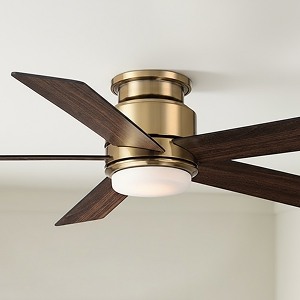 Casa Vieja
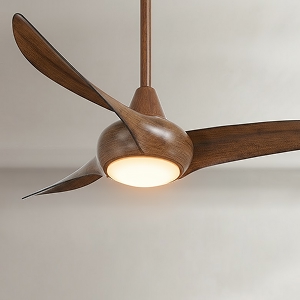 Minka Aire
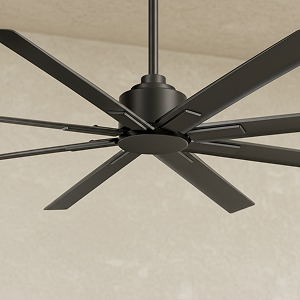 Outdoor
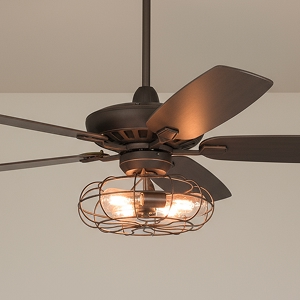 Caged
Caged
 Smart Fans
 Vanity Lights
 Bathroom Sets
 Plug In
 Brushed Nickel
 Gold
Gold
 Black
Black

Small Ceiling Fans Without Light Kits – 44 Inch Span and Under
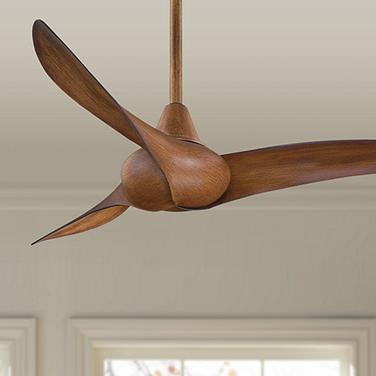
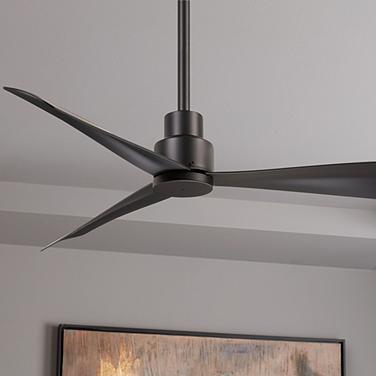
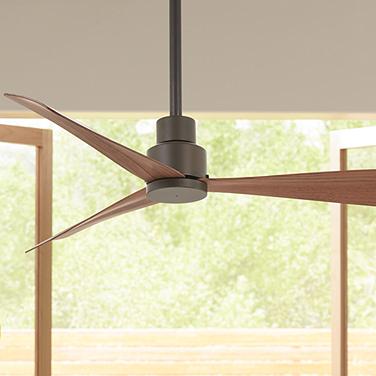
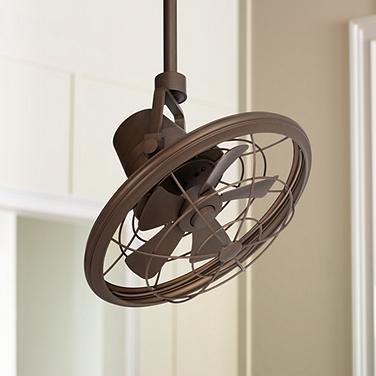
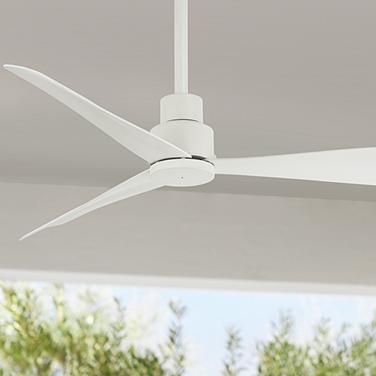
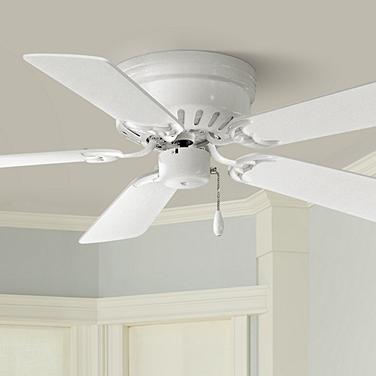
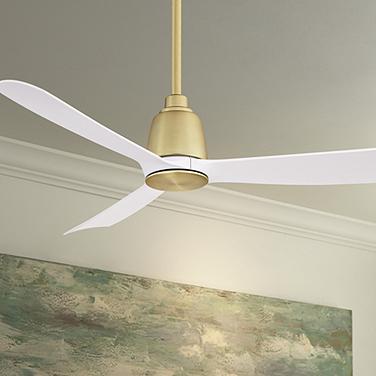
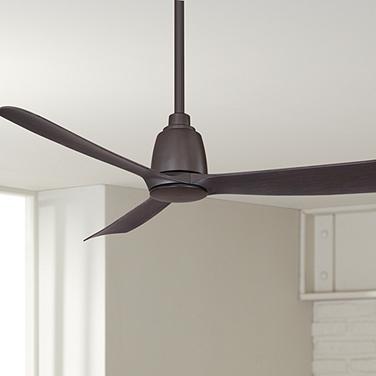
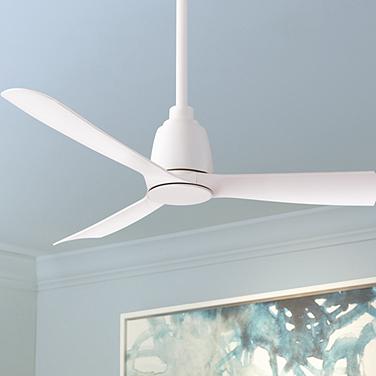
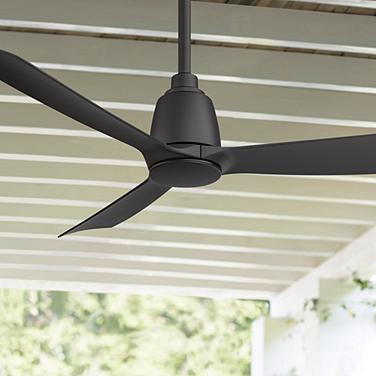
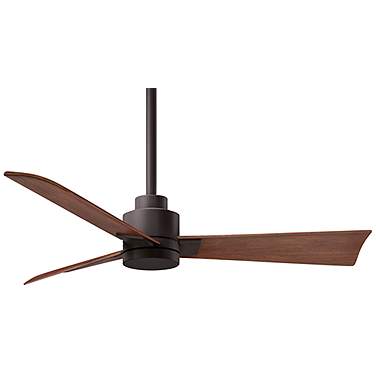
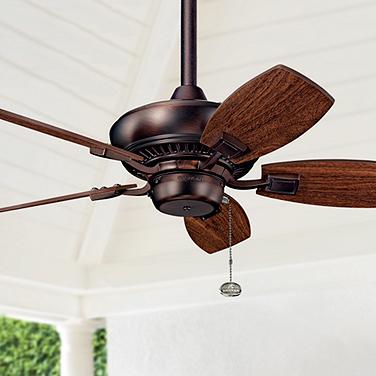
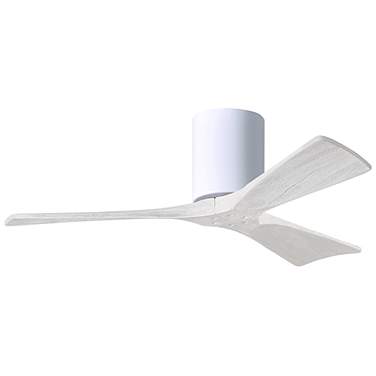
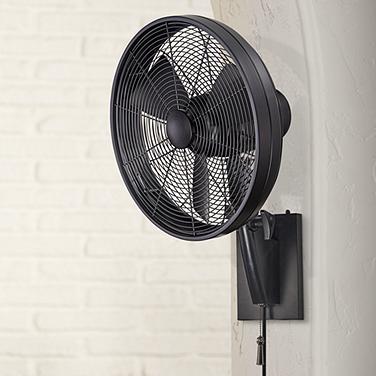
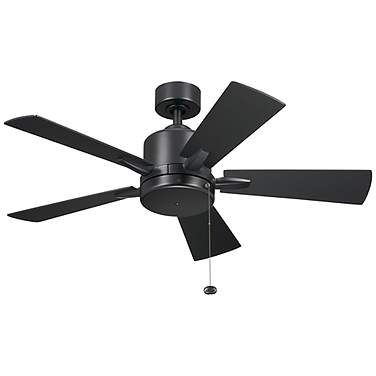
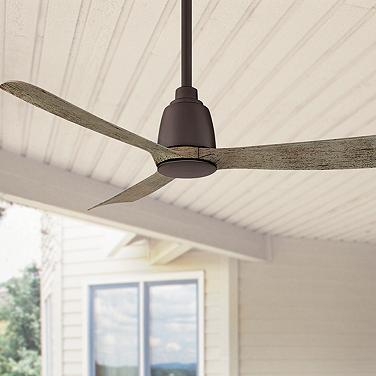
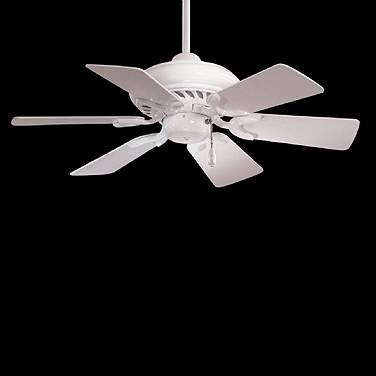
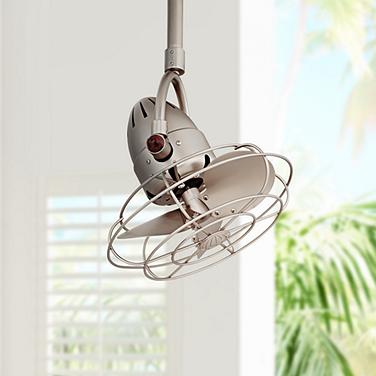
301 resultsFree Shipping* on all small ceiling fans without lights. With looks for any style, our small fans without light kits are 44 inches or less - perfect when you need extra air.


















Looking for something specific?Search our site:
Small Ceiling Fans Without Light Kits – Under 44 Inches
When space is at a premium but air circulation matters, small ceiling fans without light kits deliver the perfect solution. These compact fixtures, featuring blade spans of 44 inches or smaller, bring comfortable airflow to bathrooms, bedrooms, nurseries, home offices, and other intimate spaces where a smaller footprint is essential. By choosing a fan without an integrated light, you gain design flexibility, a lower profile, and the freedom to manage your room's lighting exactly as you prefer. Our collection of small ceiling fans offers options for every style, from sleek modern designs to traditional fans with classic appeal.
Why Choose a Small Ceiling Fan Without a Light Kit
Ceiling fans without integrated lights offer distinct advantages that make them ideal for many situations. Understanding these benefits helps you decide whether a light-free fan is the right fit for your space. Small ceiling fans range from 24 to 44 inches in blade span — consult our ceiling fan buying guide to match the right size to your room's square footage.
Complementing Existing Lighting
Many rooms already have lighting that works perfectly, whether it's recessed ceiling lights, wall sconces, or table lamps. Adding a fan with a built-in light creates unnecessary redundancy. A ceiling fan without a light kit maintains your existing lighting design while adding comfortable air circulation. If you decide you do want integrated lighting later, browse our small ceiling fans with light kits for comparison.
Lower Profile for Low Ceilings
Ceiling fans without light kits have more compact profiles. Without light fixture housing, these fans mount closer to the ceiling — ideal for rooms with standard 8-foot ceilings. Flush mount ceiling fans without lights can position blades as close as 8-10 inches from the ceiling, maintaining the required 7-foot minimum floor-to-blade clearance with ease. For the absolute lowest profiles available, explore our low-profile small ceiling fans.
Cleaner Aesthetic
Fans without lights present a cleaner, streamlined appearance perfect for modern and minimalist interiors. The fan's essential design elements take center stage without the visual weight of a light fixture. Contemporary small ceiling fans and industrial-style fans especially benefit from this uncluttered look, where the motor housing and blade design are meant to stand alone as a design statement.
Best Rooms for Small Ceiling Fans Without Lights
Bathrooms
Small bathrooms benefit from ceiling fans that improve ventilation without adding unnecessary lighting. Most bathroom vanities already have dedicated mirror lighting, making a light-free fan the smarter choice. Choose a wet-rated small ceiling fan to withstand the humidity and steam of regular bathroom use — wet-rated models are required directly over tubs and showers. For covered outdoor bathrooms or open-air shower areas, our small outdoor ceiling fans are also a great option.
Bedrooms and Nurseries
In bedrooms and nurseries, quiet operation takes priority. A fan without a light allows comfortable sleeping conditions with gentle circulation while bedside lamps handle all your lighting needs. Look for small ceiling fans without lights with DC motors for the quietest possible operation. If you prefer a handy remote to adjust speed from bed, browse our remote control small ceiling fans.
Home Offices
Home offices often have dedicated task lighting at desks and workstations. A ceiling fan without a light provides steady air circulation without adding glare to computer screens or disrupting your existing lighting setup. The 42-44 inch range works particularly well for standard home office dimensions. Wall control ceiling fans are a popular choice for offices, letting you adjust speed without searching for a remote. For full smart home integration, our small smart ceiling fans work with Alexa, Google Home, and Apple HomeKit.
Walk-In Closets
Walk-in closets often lack proper ventilation, leading to musty odors and stale air. A small 24-36 inch flush mount ceiling fan improves air circulation while your existing closet lighting handles illumination. Low-profile ceiling fans are especially well suited to closets where headroom is tight and every inch of clearance matters.
Low Ceiling Solutions: Flush Mount, Hugger, and Low-Profile Fans
Low ceilings are the most common challenge when selecting a small ceiling fan. Lamps Plus offers three distinct solutions — each engineered for different clearance scenarios. Read our close-to-ceiling fan guide for a deeper look at installation options for tight spaces.
Flush Mount Ceiling Fans
Flush mount ceiling fans attach directly to the ceiling without a downrod, making them an excellent solution for rooms with 8-foot or lower ceilings. Most flush mount small fans position blades just 8-10 inches below the ceiling surface, meeting safety clearance requirements even in the tightest spaces. These fans are available across a wide range of styles — from contemporary flush mount fans to farmhouse flush mount styles.
Hugger Ceiling Fans
Hugger fans have especially compact motor housings that sit as close to the ceiling as mechanically possible, maximizing headroom in tight spaces. Browse our selection of small hugger ceiling fans in the most popular finishes: matte black, white, and brushed nickel. Also available in warm bronze and antique brass finishes for traditional rooms.
Low-Profile Ceiling Fans
For the most space-constrained ceilings, low-profile small ceiling fans are engineered with the slimmest possible motor housings while still delivering effective airflow. These fans are the best choice when even standard hugger models feel too bulky, and they're available in both light-kit and no-light-kit configurations.
Key Features to Consider
Motor Types: DC vs. AC
DC motors operate more quietly, consume up to 70% less energy than comparable AC motors, and typically offer more speed settings for finer airflow control. AC motors cost less upfront and have a well-established reliability record. For quiet-sensitive spaces like bedrooms and nurseries, the premium for a DC motor fan is well worth the investment. Learn more in our guide to AC and DC ceiling fan motors, and explore our full range of small ceiling fans without lights featuring both motor types.
Blade Count and Design
Browse our small 3-blade ceiling fans for a contemporary look that moves air efficiently at higher speeds. Our small 5-blade ceiling fans prioritize quiet, smooth airflow at lower speeds — a plus in bedrooms and living areas. For something in between, 4-blade small ceiling fans offer a balanced mix of performance and style. Regardless of blade count, look for a blade pitch of 12-15 degrees for the most effective air movement per revolution.
Control Options
Today's small ceiling fans offer a wide range of control options. Choose from handheld remote control fans for convenience from anywhere in the room, wall-mounted control fans for a clean built-in look, or smart WiFi ceiling fans that integrate with Alexa, Google Home, or Apple HomeKit for full voice control and scheduling automation.
Energy Efficiency
Energy-efficient small ceiling fans and Energy Star certified models are 60% more efficient than conventional fans on average, achieving at least 75 CFM per watt on high speed. Pairing an energy-efficient motor with LED ceiling fan technology further reduces energy consumption. See our energy-efficient ceiling fan guide for tips on maximizing savings year-round.
Small Ceiling Fan Styles and Finishes
Finding a small ceiling fan without a light kit that complements your decor is easy with the variety of styles and finishes available at Lamps Plus.
Contemporary and Industrial
Contemporary small ceiling fans feature clean lines and minimal ornamentation, available in matte black, brushed nickel, and crisp white finishes. Industrial-style small ceiling fans take that further with exposed hardware, cage motor housings, and raw metal finishes that suit lofts, studios, and urban apartments. For a sleek retro-modern look, explore our mid-century small ceiling fans with their iconic sculptural silhouettes.
Farmhouse and Rustic
Farmhouse small ceiling fans bring warmth and character with distressed wood-look blades, galvanized metal accents, and aged finishes. Rustic and lodge-style fans add natural texture perfect for cabins, mountain retreats, and cozy living rooms. These styles pair naturally with bronze and antique brass finishes.
Traditional and Transitional
Traditional small ceiling fans feature decorative housings, carved wood-look blades, and warm finishes like oil-rubbed bronze and polished brass. Transitional ceiling fans bridge classical and contemporary aesthetics for timeless, room-neutral appeal — a great choice when your space mixes furniture styles.
Coastal and Tropical
Coastal-style small ceiling fans bring a relaxed, breezy feel with lighter finishes, natural blade materials, and organic shapes. Tropical ceiling fans lean into lush natural textures like rattan and palm-leaf blades for sunrooms, screen porches, and beachy interiors. When used in covered outdoor spaces, pair with our small outdoor ceiling fans for weather-rated options.
Installation Considerations
Before installing your new small ceiling fan, keep these important requirements in mind. All ceiling fans require a fan-rated junction box — a standard light fixture box is not sufficient to support the weight and vibration of a running fan. Fan blades must maintain at least 7 feet of clearance from the floor and 18 inches of clearance from surrounding walls for both safety and optimal airflow. If you're replacing an existing light fixture, verify that your current electrical box is fan-rated before proceeding. For complex wiring situations or high-ceiling installations, professional installation is always recommended. Our ceiling fan buying tips guide covers the key features to verify before purchasing. Shop our full selection of small ceiling fans 44 inches and under, or browse the complete ceiling fan collection if you're also considering medium or large fans for other rooms in your home.
Frequently Asked Questions
What size ceiling fan do I need for a small room?
For rooms up to 75 square feet, choose 24-30 inch fans. Rooms of 75-100 square feet work with 32-36 inch fans. Small bedrooms of 100-144 square feet pair well with 38-42 inch fans, while rooms up to 225 square feet can accommodate 44-inch spans. For a full room-size-to-fan-size chart, see our ceiling fan buying guide. All of these sizes fall within our small ceiling fan collection.
Can I add a light kit to a ceiling fan later?
Some fans are light-kit adaptable with wiring and mounting provisions for adding lights later. Check product specifications for compatibility before purchasing if you may want lighting in the future. If you know you'll want light eventually, it may be easier to start with one of our small ceiling fans with light kits already included.
What is the minimum ceiling height for a ceiling fan?
Ceiling fan blades should be at least 7 feet above the floor. With standard 8-foot ceilings, flush mount or hugger-style fans work best, positioning blades 8-10 inches below the ceiling surface. Our close-to-ceiling fan guide walks through all your options for low-clearance rooms.
What's the difference between flush mount and hugger ceiling fans?
Flush mount fans attach directly to the ceiling without a downrod. Hugger fans have compact motor housings positioning blades as close to the ceiling as possible. All hugger fans are flush mount, but not all flush mount fans are huggers. For the most space-constrained ceilings, also consider our low-profile small ceiling fans.
Are DC motor ceiling fans worth the extra cost?
DC motors cost 20-50% more but operate more quietly, use up to 70% less energy, and offer more speed settings. For bedrooms or where quiet operation matters, DC motors deliver meaningful value. Read our full AC vs. DC motor guide to help decide which is right for your space.
What does CFM mean for ceiling fans?
CFM (cubic feet per minute) measures airflow volume. Higher CFM means more powerful airflow. For small rooms, look for 2,000-4,000 CFM. CFM per watt indicates efficiency; Energy Star ceiling fans achieve at least 75 CFM per watt.
Can I use a ceiling fan in a bathroom?
Yes, but choose a wet-rated small ceiling fan with a sealed motor and moisture-resistant components. For fans positioned directly over bathtubs or showers, wet-rated models are required. Never use dry-rated fans in bathrooms.
How do I choose a quiet ceiling fan?
Prioritize DC motors, which run significantly quieter than AC motors. Look for fans rated below 40 decibels on low speed. Proper installation with balanced blades also reduces operational noise considerably. Our remote control small ceiling fans also let you fine-tune speed from bed without getting up.
Do small ceiling fans cool a room effectively?
Yes, when properly sized. Ceiling fans create a wind-chill effect that makes occupants feel cooler. In small rooms where you're closer to the fan, this effect is particularly noticeable and effective at improving perceived comfort without lowering the thermostat.
Should ceiling fan blades turn clockwise or counterclockwise?
In summer, set fans to spin counterclockwise (viewed from below) for a cooling downdraft. In winter, reverse to clockwise to gently circulate warm air trapped at the ceiling without creating a chilling draft at floor level. Most fans include a reversible motor switch for year-round use.
How far should a ceiling fan be from the wall?
Fan blades should have at least 18 inches of clearance from walls or obstructions. For optimal airflow performance, maintain 24 inches between blade tips and the nearest wall. This is especially important when choosing among our small 5-blade fans, which have a wider blade sweep.
Can small ceiling fans be installed on sloped ceilings?
Many small fans can be installed on slopes up to 30-45 degrees using angled mounting adapters. Check product specifications for slope limitations before purchasing. Vaulted ceilings may require extended downrods to maintain proper blade clearance from the ceiling surface.
What is the best blade material for small ceiling fans?
Wood and wood-composite blades offer classic appeal and long-term durability — popular in traditional and rustic-style fans. ABS plastic blades are lightweight, affordable, and moisture-resistant, making them ideal for bathroom use. Metal blades suit contemporary and industrial designs but may produce slightly more noise at higher speeds.
How do I balance a wobbly ceiling fan?
First, tighten all blade screws and mounting hardware to rule out loose connections. Use a balancing kit (included with most fans) by attaching the clip to each blade at its midpoint, running the fan to identify the heaviest blade, then applying the adhesive balancing weight to that blade's top surface. Our top ceiling fan questions guide covers additional troubleshooting tips.
Are 3-blade or 5-blade fans better for small rooms?
Both work well in small rooms. Three-blade small ceiling fans have a contemporary look and move air efficiently at higher speeds. Five-blade small ceiling fans typically run more quietly at lower speeds and provide smoother airflow. Personal preference for style often determines the choice between them.
Do ceiling fans without lights need special wiring?
No, ceiling fans without lights use standard electrical wiring. They require a fan-rated ceiling box and typically connect to a single-pole switch. If replacing a light fixture, verify your junction box is fan-rated to handle the weight and vibration of a ceiling fan.
What is the lifespan of a small ceiling fan?
Quality ceiling fans typically last 10-15 years or more with proper maintenance. DC motor fans often have longer lifespans than AC motor models. Regular dusting and annual hardware checks extend fan life significantly. Browse our full ceiling fan collection to find models from trusted brands known for long-term durability.
Can I install a ceiling fan where there's no existing electrical box?
Yes, but this requires running new electrical wiring to the ceiling location and installing a fan-rated junction box. This work should be performed by a licensed electrician to ensure full code compliance and safety.
What's the difference between standard and Energy Star ceiling fans?
Energy Star certified ceiling fans are 60% more efficient than conventional fans on average. They must achieve at least 75 CFM per watt on high speed. Our energy-efficient small ceiling fans reduce energy costs while providing equivalent or better airflow performance. Read more in our energy-efficient ceiling fan guide.
How do smart ceiling fans work?
Smart ceiling fans connect to your home WiFi network and are controlled through smartphone apps or voice assistants like Alexa, Google Assistant, or Siri. Features include scheduling, speed adjustment, and integration with other smart home devices for fully automated comfort control.