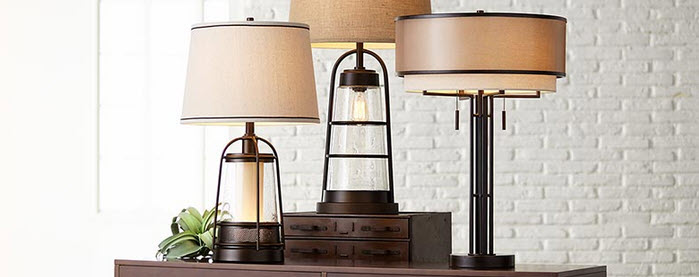
Add an instant dash of style to your existing décor - simply by changing the lamp shades on your table lamps, floor lamps, chandeliers or fixtures! Our simple guide takes you through the steps to picking the style, fabric and color that's right for you.
Most lamps or fixtures can look good with a number of different shade shapes and styles. So don’t just automatically buy a new shade that’s exactly like the one you’re replacing.
A new shade can make a lamp look classy or simple, bigger or smaller, change it from traditional to contemporary, and add just the right amount of drama, flair or elegance.
In general, a shade’s shape should follow the contour of a lamp. This isn’t a hard and fast rule, but it holds true in most cases.
So, for example, if the base has curves, go with a curved shade shape. If a base is straight, choose a shade with straight edges, even if they’re angled.
Some other shape rules-of-thumb to consider:
Lamps that incorporate round and square elements can take a square shade or a modified square shade.
The way a shade is shaped can also be a factor.
Shades have traditionally been white, simply because they let the most light through and are the most functional at illuminating an entire room.
But color definitely has a role. Black lamp shades or colored shades direct more light down, adding drama and pools of light throughout a room for a sophisticated lighting statement. Or you could mix and match shade colors in a room for added visual excitement, or choose colors that don’t blend into the background wall treatments.
Color on Color – try a gold shade on a gold lamp, red on red and so on for visual punch and pizzazz!
A shade’s fabric can blend in with a room décor or boldly stand out, depending on the design statement you are trying to make. But there are some tips to keep in mind.
Silk shades look best in formal rooms or intimate bedroom settings. By contrast, linen, parchment and textured looks have a more casual, rustic feel that’s well suited for family rooms or dens. Hand-sewn or hand-painted shades add intimacy and softness to a room scene.
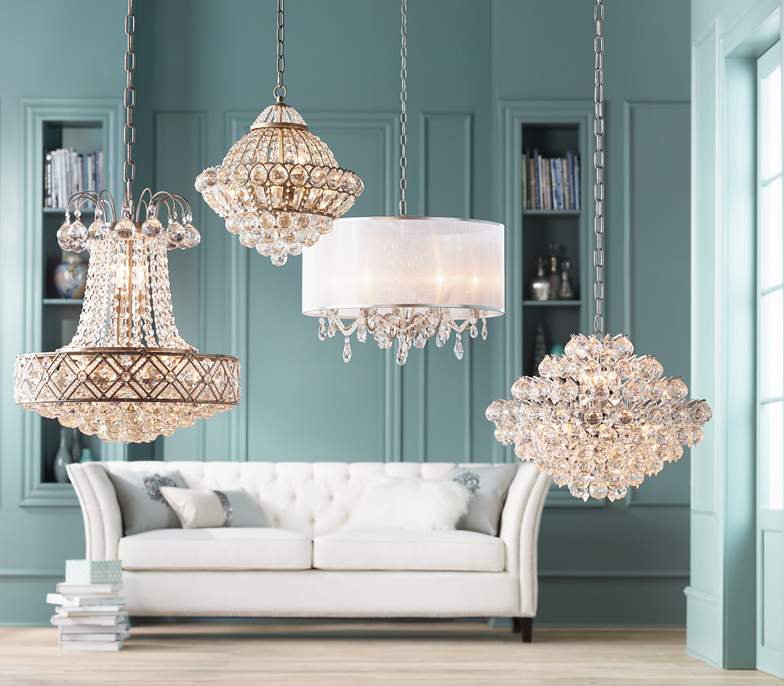
A new trend is toward crystal beaded accents or trim, which lend additional sparkle and brightness to a room. Depending on the base and the level of decoration, such shades can be casual comfy to tre chic!
Other shades accents include fabric trim, colored glass tassels, leather trim and even feathers.
Set a shade next to a base. Ideally, the shade should be 2 to 3 inches shorter than the base. A shade is at the proper height when just a half inch of the lamp neck (the part of the base just below the socket) is showing. Avoid choosing a shade that fails to cover the socket’s underpinnings.
And remember that when the lamp base is highly decorative, keep the shade plain. When a base is plain and unornamented you can safely add a fancier, splashier shade and still keep an eye-pleasing lamp / shade proportion.
Trust your own eye and personal tastes. After all, you have to live with and be pleased with your décor choices. If it works for you, go with it.
Need help choosing a shade that’s right for you? Contact us or visit a Lamps Plus store near you for lamp shade ideas and product recommendations.